The Musée de Montmartre opens its doors at 10 a.m. on the Rue Cortot, where painters have congregated since the 1870s, and by noon on Saturday the stone stairs will be crowded with visitors seeking refuge from 38-degree heat that has already shuttered outdoor markets across the arrondissements. But the museum's very existence—a restored 17th-century manor house turned into a repository of artistic memory—tells the story of how Paris transformed itself from a city of grand salon culture into something more democratic and dispersed.
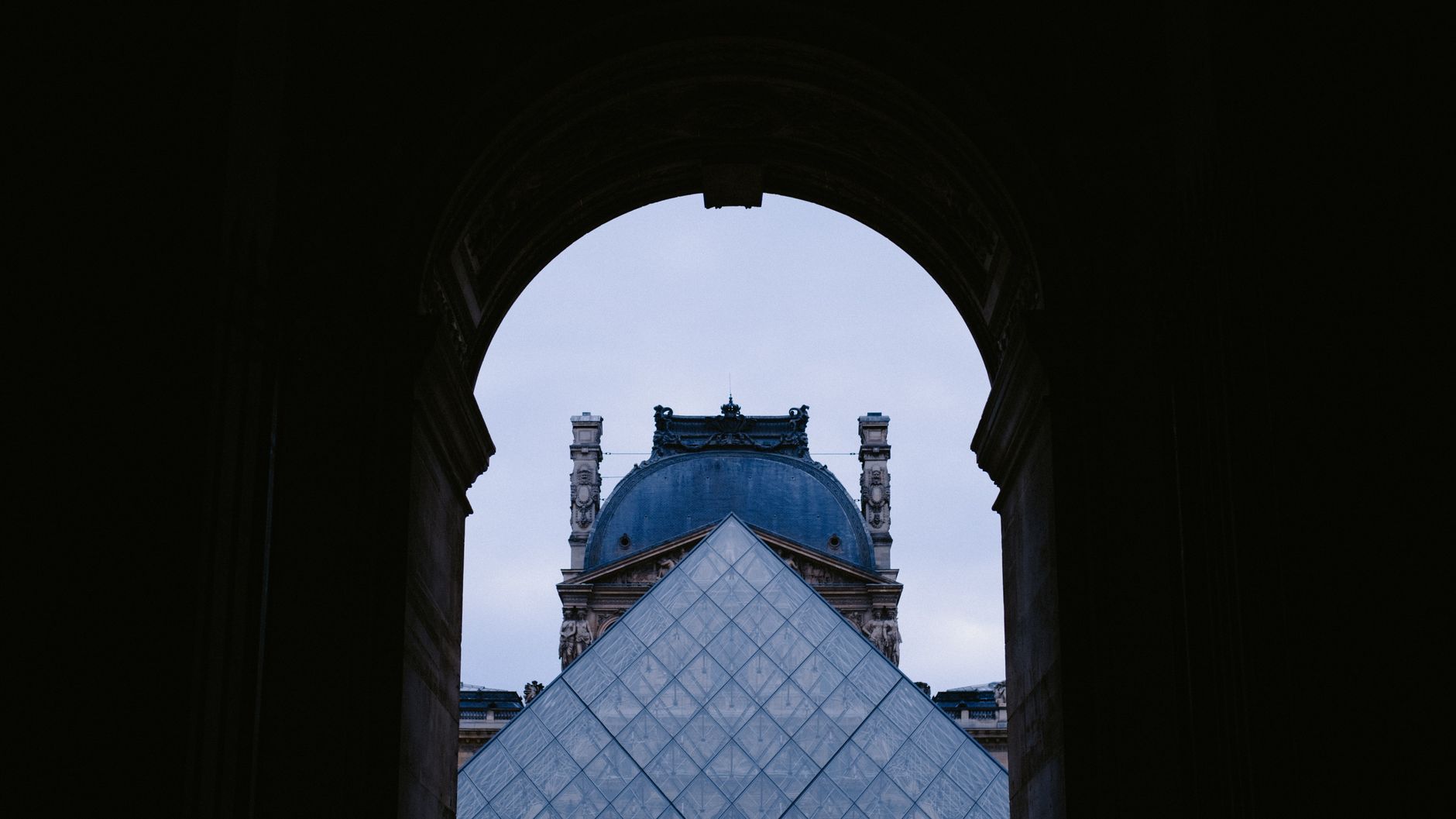
Today's cultural offerings in Paris trace a direct line from the Belle Époque obsession with gathering spaces. Then, wealthy patrons invited artists to weekly salons in grand apartments along the Seine. Now, that same hunger for curated experience persists, but it's splintered into hundreds of smaller venues. The Galerie Thaddaeus Ropac in the Marais—operating since the 1980s when that neighbourhood was still affordable enough for young galleries—sits a short metro ride from the Louvre, yet attracts a fundamentally different crowd. Where the museum draws 8.9 million visitors annually according to 2025 figures, smaller galleries like Ropac operate on exclusivity and repeat clientele, a model that emerged directly from post-war artist collectives who rejected institutional gatekeeping.
The Shift From Monuments to Neighbourhoods
The Belleville neighbourhood exemplifies this evolution most clearly. Twenty years ago, the area around Boulevard de Belleville was known for cheap rent and street art; today it hosts the Project Belleville collective, where artists maintain live-work spaces in converted warehouses. The rent has climbed steadily—a studio that cost 300 euros monthly in 2010 now runs closer to 800—but the principle remains unchanged: artists cluster together, creating their own cultural infrastructure rather than waiting for institutional validation. On Saturday mornings, residents browse the neighbourhood's vintage shops on Rue de Belleville itself, a strip that now supports roughly fifteen independent dealers where five operated a decade ago.
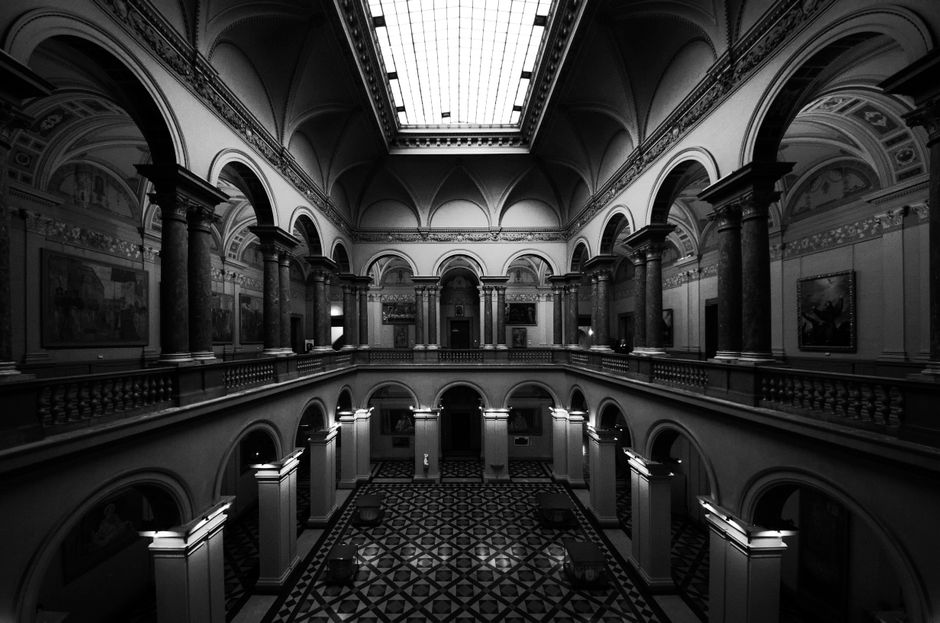
Temperature records released yesterday by Météo-France showed Paris has experienced twenty-three days above 35 degrees so far this summer, prompting the closure of most outdoor cultural programming through August. The city's cultural institutions have adapted by extending evening hours—the Musée d'Art Moderne de Paris keeps galleries open until 10 p.m. on Thursdays and Saturdays, a schedule that didn't exist before 2023—and increasing air-conditioned programming. The Centre Pompidou remains at peak capacity most afternoons, with its escalators and exposed mechanical systems now functioning as both architectural statement and practical necessity during extreme heat.
From Spectacle to Participation
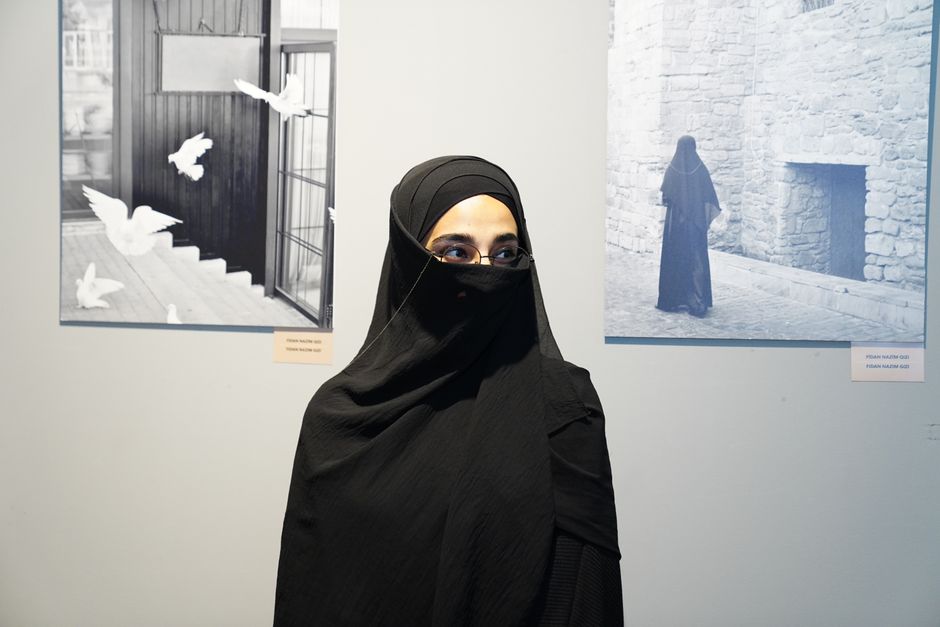
What distinguishes Paris's current cultural moment from its historical precedent is the expectation of participation rather than passive consumption. The Salon de Refusés concept of the 1860s—where rejected artists displayed work outside official channels—has evolved into something more systematic. Organizations like the Open Studios program in the 11th arrondissement now formalize artist access, with roughly two hundred participants opening their workspaces to the public during designated weekends. The entry is free, eliminating the class barrier that defined nineteenth-century salon culture.
This shift accelerated after 2020, when lockdowns forced galleries to develop online presences and neighbourhood-based programming. While the Louvre and Versailles remain destination institutions, Parisians increasingly spend Saturday afternoons in their own neighbourhoods—the Rue Oberkampf in the 11th, the Rue Crémieux in the 12th with its colourful townhouses that have become Instagram fixtures, or the independent bookshops clustered around the 5th arrondissement's Latin Quarter.
For anyone trying to make sense of what to do today in this heat, the answer requires understanding that Paris's culture has democratized without losing its obsession with quality and curation. Skip the crowded museum queues and head instead to your arrondissement's independent galleries, artist collectives, and neighbourhood cafés. The same impulse that drove salon culture in 1900 drives it still—the desire to be in the presence of creative people, in spaces designed for meaningful encounter. The venues have shrunk, the crowds have shifted, and the temperature has climbed, but the principle endures.