A Reclaimed Past: How Historic Preservation is Defining the City’s Creative and Cultural Identity
As property values soar, Paris is pivoting away from sleek modernism toward a radical restoration of its industrial and architectural heritage.
As property values soar, Paris is pivoting away from sleek modernism toward a radical restoration of its industrial and architectural heritage.
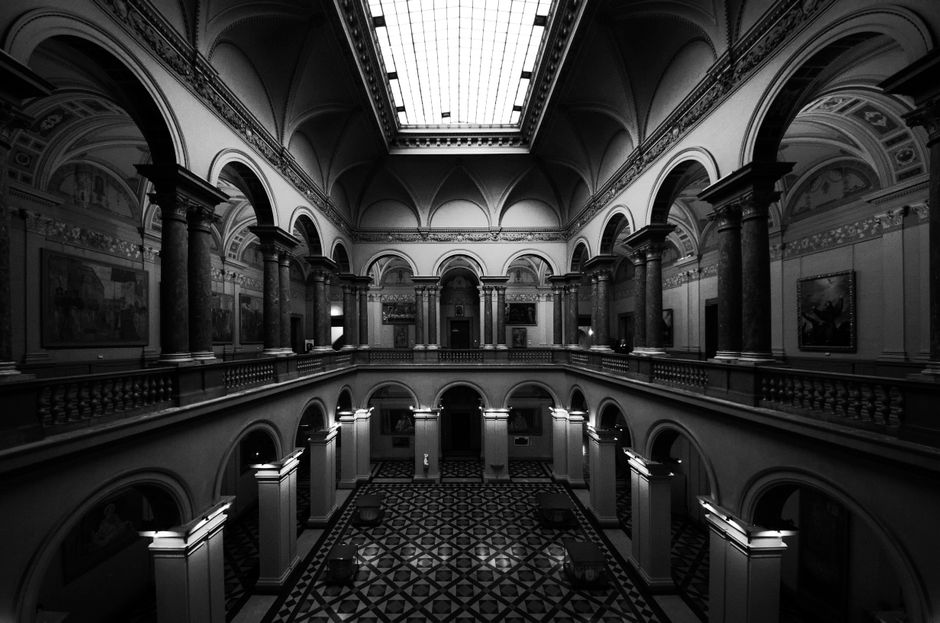
Paris is currently undergoing a structural identity shift that prioritizes the grit of its industrial past over the polished glass of the 21st century. City Hall announced this morning that the 2026 Urban Heritage Grant program has officially committed €45 million to the preservation of mid-19th-century metalwork and brick facades in the 10th and 11th arrondissements. Rather than razing dilapidated warehouses to build high-density office blocks, the municipal government is subsidizing a wave of adaptive reuse projects that turn former factories into subsidized creative ateliers.
This pivot reflects a deepening anxiety about the erasure of the 'faubourg' character that once defined the city’s working-class vitality. In Belleville and Ménilmontant, local collectives like the Association des Ateliers d'Artistes de Belleville are leading the charge to classify early industrial spaces under the ‘Protection of Cultural Fabric’ decree. At the site of the former leather-tanning district near Rue des Vinaigriers, developers have been barred from knocking down the original iron-girded structures, with planners opting to integrate these skeletons into new, climate-controlled studio spaces for local painters and ceramicists.
The economic impact of this strategy is already visible in the local ledger. According to the Paris Chamber of Commerce, the cost of renting a commercial workspace in a heritage-listed industrial building in the 11th district has climbed 12% over the last eighteen months, yet occupancy rates remain at an unprecedented 98%. This premium suggests that younger creative firms are willing to pay for the ‘patina’ of history. It is a sharp departure from the sterile office parks that defined development efforts in the La Défense district during the previous decade.
The cultural department’s latest report, released June 28, highlights that heritage preservation is no longer just a museum function; it is the primary driver of the local economy. The municipal budget allocated to historical upkeep now accounts for 7.4% of the total infrastructure spend, a significant increase from the 4.2% observed in 2020. Across the Canal Saint-Martin, cafes and design firms are crowding into spaces that were slated for demolition as recently as 2023, signaling a widespread rejection of the ‘global city’ aesthetic in favor of something distinctly Parisian.
Architects looking to work in these zones must now adhere to the ‘Materials Integrity Charter,’ which mandates that any renovation project must preserve at least 60% of the building's original exterior material. For those planning renovations in the historic Marais or the outer rings of the 20th arrondissement, the message from the City Planning office is clear: modernizing the interior is permitted, but the history of the exterior is non-negotiable. Citizens interested in the upcoming hearings on the expansion of protected zones can register on the ‘Paris En Commun’ platform, with the next public consultation scheduled for the town hall of the 11th on July 18th.
How does this story make you feel?
Spread the word
About this article
Published by The Daily Paris
Daily brief
Free, in your inbox before 7am. Weekdays.
More in culture