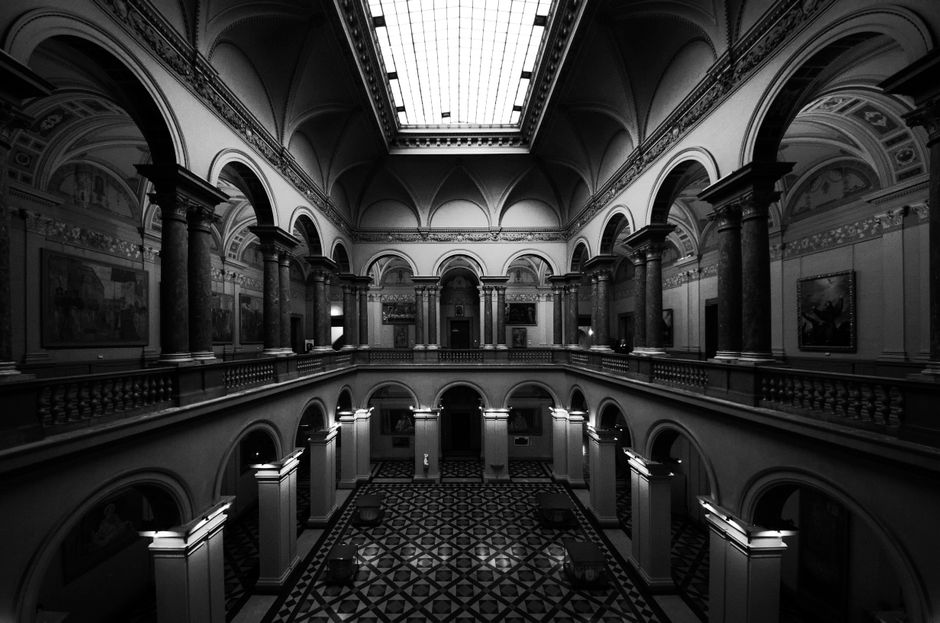
Paris is currently undergoing a structural reckoning, as the municipal government accelerates its 'Heritage 2030' initiative to refurbish neglected 19th-century sites rather than clearing them for contemporary development. Today, the Mayor’s office confirmed that the renovation of the former industrial workshops in the 11th arrondissement will prioritize artisan studios over high-end commercial retail space, marking a definitive shift in how the city manages its dwindling creative floor space.
The War Over the Arrondissements
The push to reclaim historic integrity is most visible along the Rue de Charonne and the surrounding alleys of the 11th, where a coalition of local artists has successfully lobbied against the conversion of former furniture-making warehouses into luxury hotel suites. This movement is not merely aesthetic; it is an economic defense mechanism for the creative class. Organizations like the *Ateliers de Paris* are now working with city planners to lock in long-term, low-cost leases that protect these heritage structures from being swallowed by private equity firms seeking to monetize the 'authentic' Parisian vibe for transient tourism.
This policy pivot comes at a critical juncture for the city's identity. As global cities like London and New York have seen their mid-tier cultural hubs eroded by skyrocketing property taxes, Paris is attempting to insulate its creative ecosystem. The data supports this defensive posture. According to the 2025 City of Paris Planning Report, average studio rents for artists in the 18th and 20th arrondissements have stabilized at approximately €24 per square meter, a sharp contrast to the €60-plus price point for converted office spaces in the 8th. By designating these legacy sites as 'Cultural Heritage Zones,' the city has effectively frozen commercial development on over 150 identified historic properties since January 1, 2026.
A Blueprint for the Future
Critics argue that preserving these aging buildings, some of which require millions in lead abatement and seismic retrofitting, is a misuse of public funds during a period of fiscal tightening. However, proponents point to the success of the *Centquatre-Paris* as evidence that historic footprints can host avant-garde output. By repurposing the municipal funeral complex of the 19th century into a public creative laboratory, the city proved that cultural identity is forged by mixing old stone with new ideas. The challenge moving forward is whether the municipal budget, currently constrained by rising energy costs and the maintenance of the metro expansion, can sustain this commitment to architectural preservation.
For those looking to engage with this shift, the *Pavillon de l'Arsenal* is hosting a series of public hearings throughout July regarding the future of the Marais’ hidden courtyards. These forums are the only real opportunity for local residents to influence the next wave of preservation zoning. Whether this strategy successfully fosters a new artistic renaissance or simply creates an exclusive, museum-like environment for the wealthy remains the primary tension in every council meeting from the Hôtel de Ville to the outlying suburbs.