Tracing the Threads: The History and Evolution of Paris’s Contemporary Art Scene
From Left Bank ateliers to digital showcases, Paris’s visual arts landscape reveals rich layers of transformation.
From Left Bank ateliers to digital showcases, Paris’s visual arts landscape reveals rich layers of transformation.
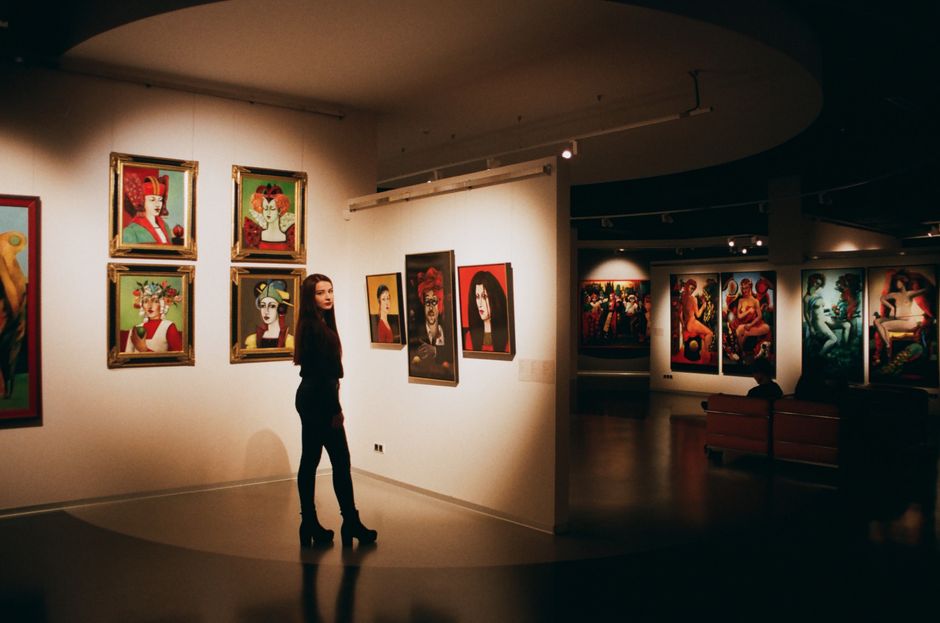
Paris’s contemporary art scene continues to thrive on July 4, 2026, as exhibitions, workshops, and performances span from the Marais to Belleville, underscoring a culture that has evolved dramatically over the past century.
This day of cultural celebration coincides with the opening of the new wing at the Centre Pompidou-Metz, a satellite of the famed Paris institution, marking a renewed commitment to decentralizing contemporary art display beyond the capital’s core and engaging new audiences. This expansion highlights how the Parisian art scene, deeply rooted in historical avant-garde movements, is reshaping itself for the digital age and global conversations.
The contemporary art movement in Paris traces its lineage to early 20th century hubs like Montparnasse and the Left Bank’s Rue de la Grande Chaumière, where pioneering artists such as Picasso and Modigliani once worked in communal studios. Today, those creative energies have diffused across diverse neighborhoods, notably the Marais, with its dense network of galleries such as Galerie Perrotin on Rue de Turenne, and Belleville, whose street art and artist-run spaces pulse with fresh vibrancy.
Key institutions like the Palais de Tokyo and Fondation Louis Vuitton have played major roles in transforming how contemporary art is presented, privileging immersive and interactive exhibits that challenge traditional gallery norms. The City of Paris’s cultural initiative “Paris Art Lab” supports emerging artists via residencies and digital technology workshops, making creativity accessible across socioeconomic divides.
In 2025, the Paris Convention and Visitors Bureau reported that over 2.3 million tourists specifically attended contemporary art events in the city, a 15% increase from 2019. Admission prices to venues like the Centre Pompidou average around €15, while many smaller galleries in quarters like Le Marais offer free entry, further enhancing art accessibility. The recent launch of the “Paris Art Pass,” a €35 card granting access to over 20 contemporary art spaces, underscores the growing institutional support for broader engagement.
Meanwhile, emerging data from the Institut national de la statistique et des études économiques (INSEE) indicates that employment in arts-related fields in Paris increased by 12% in the last three years, signaling both economic vitality and growing interest among younger generations.
Visitors interested in exploring this rich fabric of Parisian contemporary art today should consider a route beginning at the Marais, with a morning visit to Galerie Thaddaeus Ropac on Rue Vieille du Temple. Then a short Metro ride to Belleville promises a contrasting experience through murals and artist studios open as part of the “Belleville Open Studios” event this weekend. Finally, attending the evening’s film and digital art showcase at Palais de Tokyo on Avenue du Président Wilson offers a glimpse of the scene’s embracing of new mediums.
As the city continues to balance preservation with innovation, attending these events not only offers aesthetic pleasure but also connects one with the ongoing story of Paris’s cultural evolution. In a metropolis long known for defining artistic epochs, the contemporary art scene today stands as both a continuation and reinvention of that legacy.
How does this story make you feel?
Spread the word
About this article
Published by The Daily Paris
Daily brief
Free, in your inbox before 7am. Weekdays.
More in culture