Paris in July: What Visitors Need to Know Before You Go Today
Record heat is reshaping how the city operates. Here's what actually matters for your visit—and where to find relief.
Record heat is reshaping how the city operates. Here's what actually matters for your visit—and where to find relief.
Paris is sweltering. The mercury hit 38 degrees Celsius yesterday, and the Météo-France forecast shows no meaningful break until next week. This isn't just uncomfortable weather—it's forcing museums to adjust hours, closing outdoor markets early, and sending thousands of locals and visitors hunting for air-conditioned refuge.
France recorded 2,025 excess deaths during the last major heatwave. Authorities are taking that history seriously. The city's emergency services have activated their canicule protocol, which means certain cultural institutions are operating on reduced schedules and public fountains are running continuously around Place de la République and Square du Temple to provide drinking water. If you're arriving today or already here, the practical reality is simple: plan your morning activities for before noon, take a long midday break indoors, and resume exploring after 6 p.m. when temperatures drop slightly.
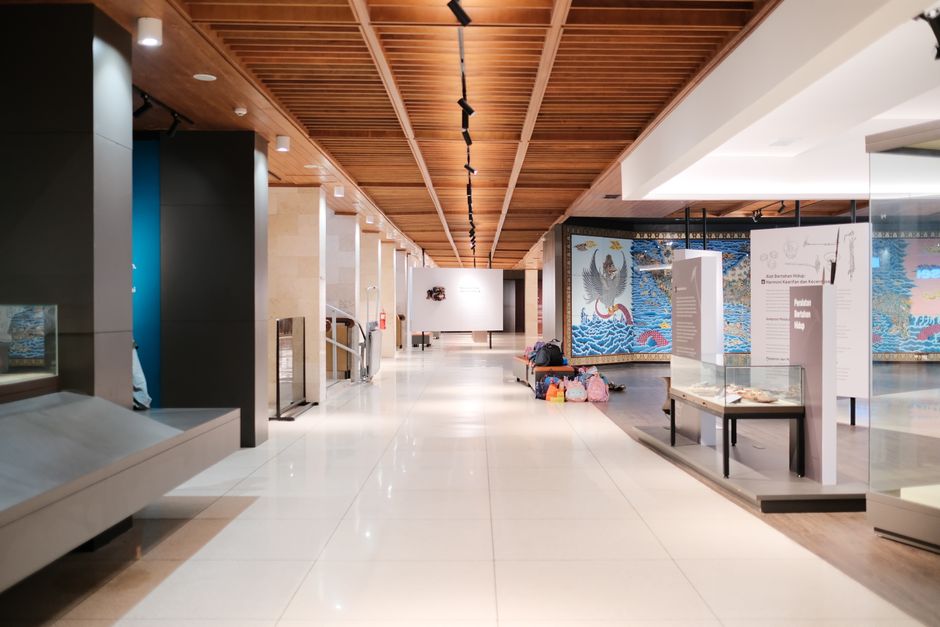
The Louvre, on Rue de Rivoli in the 1st arrondissement, opens at 9 a.m. and is already drawing crowds by 8:30 a.m. The museum's climate-controlled galleries are predictably packed, but the Denon wing and the Egyptian antiquities section offer deeper refuge than the main corridors. Ticket prices start at 17 euros for standard entry. Underground tunnels connect the Louvre to the Palais-Royal gardens, giving you a shaded route if you need to change venues without surfacing into the heat.
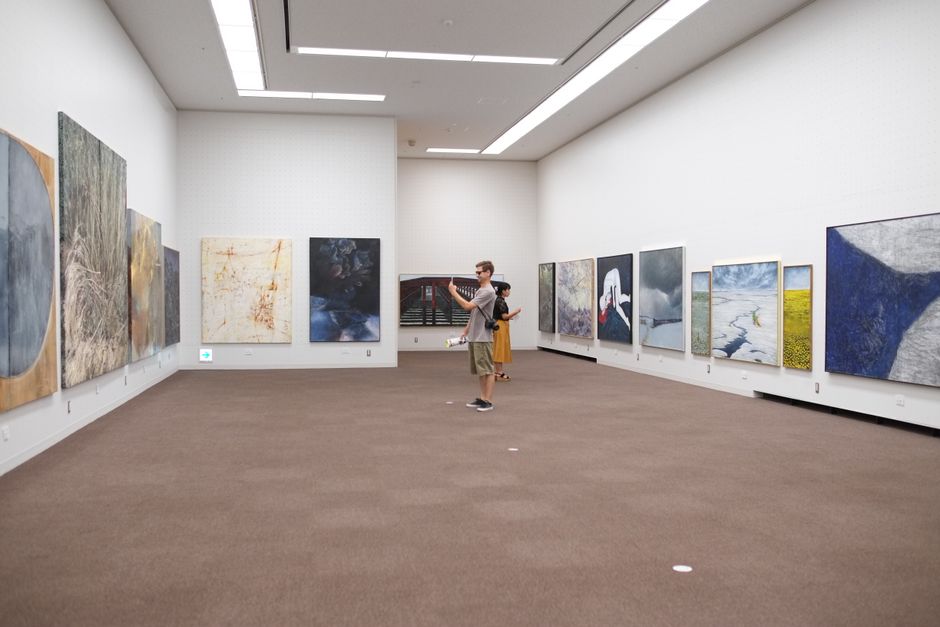
The Musée d'Orsay, housed in a former railway station at 1 Rue de la Légion d'Honneur on the Left Bank, operates until 6 p.m. today and maintains its usual cool interior. The museum draws 3.2 million visitors annually, but morning visits before 10:30 a.m. typically mean shorter queues. Admission costs 16 euros.
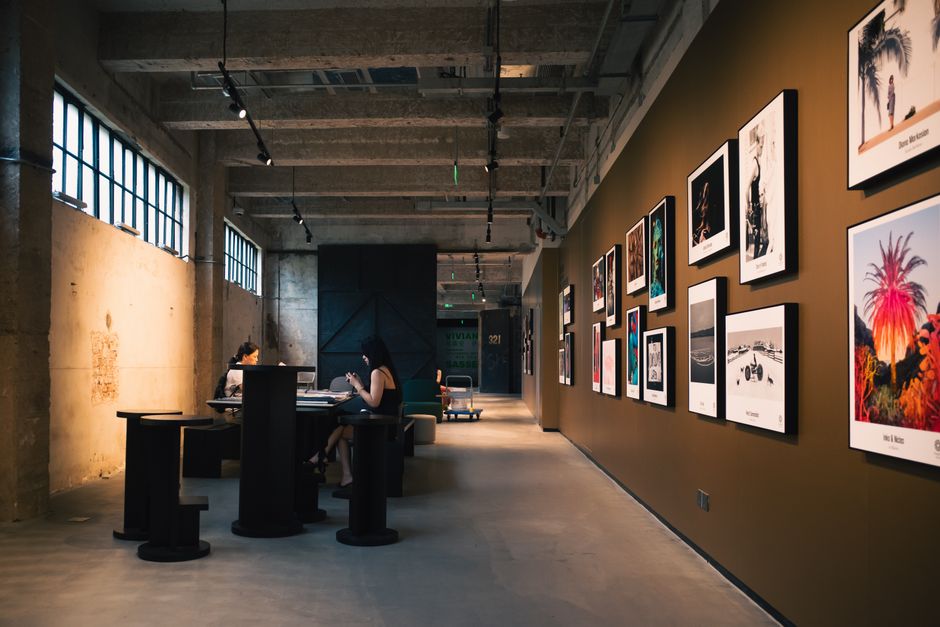
Less obvious but equally effective: the Bibliothèque Forney in the Marais district specializes in decorative arts and design, with excellent air-conditioning and a fraction of the visitor pressure you'll find at mainstream galleries. The collection focuses on textiles, fashion, and printing, and entrance is free with a library card or modest daily pass.
Paris's public water fountains—known locally as fontaines Wallace after their 19th-century benefactor—are scattered throughout every arrondissement. There are approximately 1,200 across the city, though only about half are currently operational due to maintenance. The most reliable clusters sit near major parks: Jardin des Plantes, Bois de Boulogne, and along the Canal Saint-Martin in the 10th arrondissement, where shade from plane trees provides genuine relief.
Metro stations stay significantly cooler than street level, typically 5 to 7 degrees below surface temperatures. The RER B line, which runs underground for most of its route between Denfert-Rochereau and Châtelet, functions as an effective cooling tunnel if you're moving between neighborhoods and need a break. Single tickets cost 2.25 euros.
Restaurant terraces—the city's defining summer feature—are paradoxically difficult to enjoy in this heat. Many establishments along Rue de Rivoli and Boulevard Saint-Germain are reporting that outdoor seating is largely abandoned by 11 a.m. Most restaurants with back dining rooms are offering interior tables at regular prices, which is worth requesting explicitly when you arrive.
Evening activity resumes around 7 p.m. when temperatures become manageable. The Île de la Cité and Latin Quarter fill with people again after dark, and outdoor cinema screenings—Paris typically hosts 30-40 open-air venues during summer—are proceeding as scheduled. Check individual venue websites for tonight's programs; most screen films starting at 9:15 p.m. once the sun fully sets.
The practical message from Paris's municipal services is explicit: hydrate aggressively, seek shade during midday hours, and don't treat this as a typical summer. Local authorities are monitoring vulnerable populations in particular, but the advice applies universally. Plan accordingly, and the city still has plenty to offer—just not between noon and 6 p.m.
How does this story make you feel?
Spread the word
About this article
Published by The Daily Paris
Daily brief
Free, in your inbox before 7am. Weekdays.
More in culture