From Belle Époque Cabarets to Digital Stages: How Paris Reinvented its Performing Arts Scene
Over a century of transformation has seen the City of Light evolve from music hall spectacle to a global laboratory for theatrical innovation.
Over a century of transformation has seen the City of Light evolve from music hall spectacle to a global laboratory for theatrical innovation.
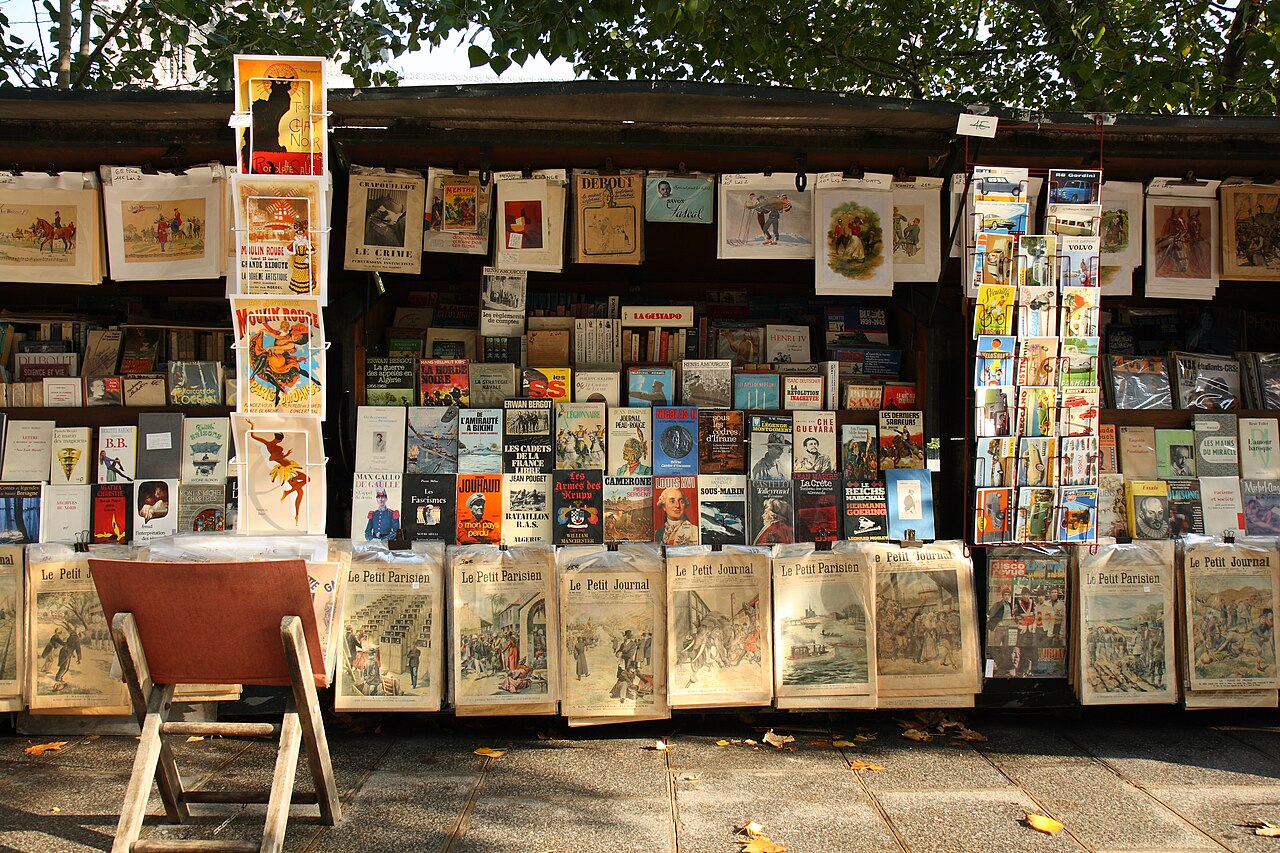
Walk along the Boulevard de Clichy in Pigalle, and you're treading the same cobblestones where the Moulin Rouge first electrified audiences in 1889. Yet the story of Paris's performing arts scene is far richer than its cabaret mythology suggests—one of constant reinvention, from Belle Époque extravagance to today's experimental vanguard.
The early 20th century belonged to the theatrical establishment: the Comédie-Française on the Place Colette maintained its classical monopoly, while grand opera dominated the Palais Garnier. But the 1960s brought seismic shifts. The Théâtre de l'Odéon in the Latin Quarter became a crucible for avant-garde drama, hosting the political upheavals of 1968 and establishing Paris as a centre for contemporary thought-making on stage. Directors like Roger Planchon challenged the bourgeois conventions that had calcified French theatre.
The 1980s and 1990s witnessed explosive diversification. The Pompidou Centre's experimental spaces in Beaubourg democratised access to cutting-edge performance. The Marais became a hotbed of independent theatre collectives, with venues like the Théâtre du Vieux-Belleville carving out space for emerging artists. By the late 1990s, Paris had become a magnet for circus arts—Archaos, Jérôme Thomas—proving that contemporary performance could shatter traditional categories entirely.
Today's landscape is unrecognisably plural. The 11th arrondissement alone hosts over thirty dedicated venues, from intimate black-box theatres to renovated industrial spaces like Ménagerie de Verre. Annual attendance at Parisian theatres hovers around 3 million visitors, with ticket prices ranging from €15 for independent productions to €60 for flagship institutions. The Festival d'Automne, established in 1972, continues to programme works that would scandalize Belle Époque audiences.
Yet this democratisation masks mounting tensions. Rising rents in traditionally bohemian neighbourhoods have pushed younger artists eastward, to the peripheries. The COVID-19 pandemic shuttered independent venues permanently; government subsidies to the sector reached €847 million in 2023, yet many mid-sized companies struggle. Meanwhile, digital performance—accelerated by necessity during lockdowns—has become permanent, with streaming platforms now offering access to recorded stagings that previous generations could never have imagined.
The Parisian performing arts scene remains globally influential precisely because it refuses to calcify. From the Moulin Rouge's sequins to the Pompidou's provocation, from the Comédie-Française's hauteur to the Marais's scrappy experimentalism, Paris continues performing itself anew.
This article was compiled by AI and screened before publishing. See our editorial standards.
How does this story make you feel?
Spread the word
About this article
Published by The Daily Paris
Daily brief
Free, in your inbox before 7am. Weekdays.
More in culture