Tracing Paris's Cultural Pulse: The Evolution of Today's Must-See Experiences
From historic art quartiers to revamped venues, explore how Paris’s cultural scene has transformed and what it offers visitors today.
From historic art quartiers to revamped venues, explore how Paris’s cultural scene has transformed and what it offers visitors today.
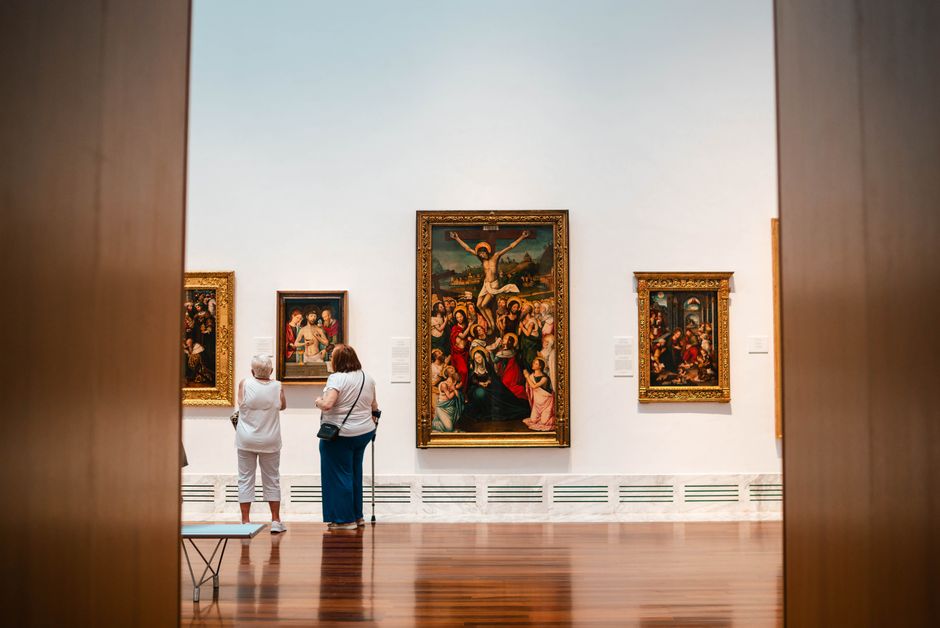
Paris’s cultural landscape today reflects centuries of change, blending age-old institutions with vibrant new hubs. For anyone looking to experience the city’s arts and entertainment scene on July 4, 2026, understanding its evolution reveals why certain quarters and venues remain magnets for locals and tourists alike.
The timing matters because Paris has been actively reshaping its cultural identity after the disruptions of the past decade. The global health crises of the early 2020s triggered a renewed focus on local arts scenes and outdoor cultural events. This year, the city’s administration has pushed forward with programs aiming to diversify Paris’s cultural offerings and restore visitor confidence after years of uncertainty.
Visitors looking to immerse themselves in Paris’s layered history should start with the Latin Quarter, one of the city’s oldest cultural hubs. Streets like Rue Mouffetard still house small bookshops, galleries, and cafés that hark back to a time when intellectuals and artists converged here. Nearby, the Hôtel de Sens, a medieval mansion now part of the Bibliothèque Forney, stands as a testament to Paris’s commitment to preserving historical arts venues.
Equally significant is the Marais district, which has undergone a remarkable transformation since the 1970s. Formerly associated with aristocratic residences, it has evolved into a bustling center for contemporary galleries, theaters, and LGBTQ+ nightlife. The Centre Pompidou, located in the Beaubourg area on Rue Saint-Merri, exemplifies the mid-20th-century shift towards modern art and public access, having opened in 1977 as a radical architectural statement and today welcoming over 3 million visitors annually.
Recent years have seen the rise of outdoor and hybrid cultural spaces reflective of new consumption habits. The Parc de la Villette in the 19th arrondissement has expanded its role beyond parkland to host open-air concerts and film screenings, capitalizing on the long summer evenings. Meanwhile, the municipal project “Culture en Plein Air,” which began in 2023, regularly programs events in neighborhoods like Belleville and Canal Saint-Martin, areas once seen as peripheral, now burgeoning cultural hotspots.
Economic data reflect these shifts: according to the Paris City Council’s 2025 cultural report, attendance at open-air cultural events increased by 42% from 2022 to 2025, while revenues for small cultural venues in the Marais and Latin Quarter grew by an average of 15% annually over the same period. Ticket prices for public museums like the Louvre remain unchanged at €17 for standard entry, encouraging steady foot traffic, while temporary exhibitions sometimes cost upwards of €25.
For Parisians and visitors today, practical advice is to explore these evolving spaces beyond the traditional landmarks. Booking tickets online in advance is recommended, especially for summer events at Parc de la Villette, where entry to major shows can range from €10 to €40. Also, staying overnight in emerging neighborhoods like Oberkampf offers a glimpse into the city’s ongoing cultural reinvention, with venues such as La Bellevilloise combining art exhibits, live music, and dining into a single experience.
Understanding the history and evolution of Paris’s cultural scene enriches the experience of anyone exploring the city’s vibrant offerings today, from time-honored institutions to dynamic outdoor festivals shaping the city’s future.
How does this story make you feel?
Spread the word
About this article
Published by The Daily Paris
Daily brief
Free, in your inbox before 7am. Weekdays.
More in culture