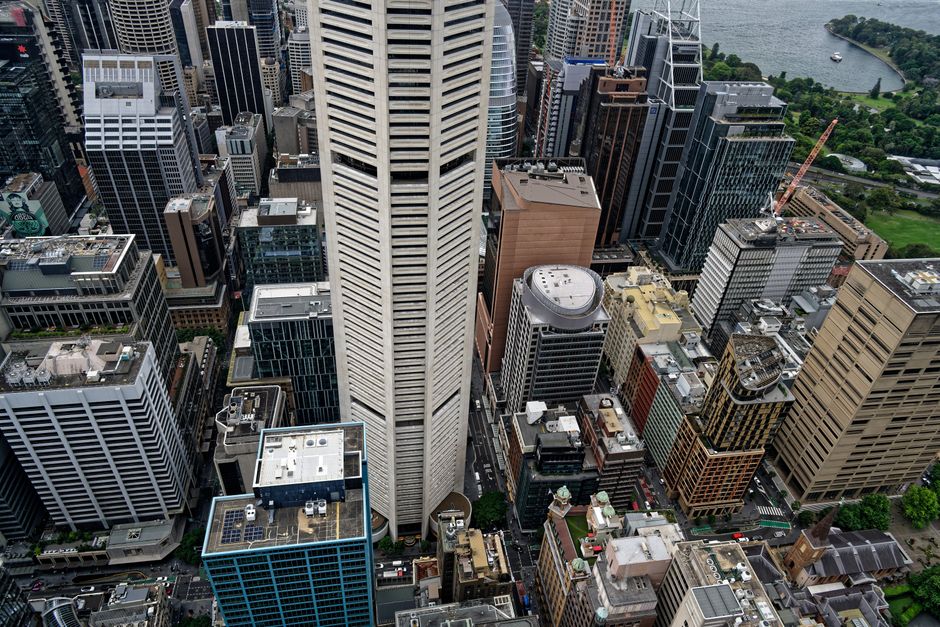
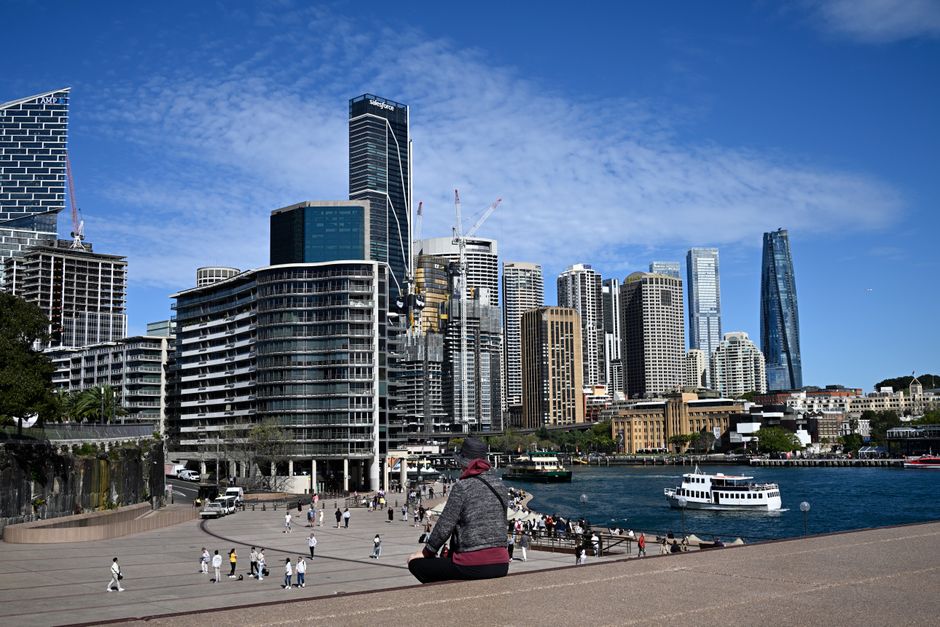
Sydney's Barangaroo Reserve has become more than a scenic waterfront destination. The gleaming towers of the precinct—home to major financial institutions and multinational headquarters—now reflect a fundamental shift in how global capital views Australia.
Foreign direct investment (FDI) flowing into Sydney reached $47 billion in the past financial year, according to latest ABS data, marking a 23 per cent increase on the previous year. For business leaders operating across Martin Place and Macquarie Street, this signals one clear message: the world still trusts Australian assets, despite global uncertainty.
"Investment flows are the heartbeat of economic health," explains David Chen, chief economist at the Sydney Business Chamber. "When we see sustained FDI growth, it means foreign investors believe in Australia's fundamentals—our institutions, our resources, our skilled workforce."
But what does this mean in practical terms? Consider commercial property. Office space in Sydney's CBD has seen rental increases of 8.2 per cent year-on-year, driven partly by multinational corporations expanding their Asia-Pacific operations here. A premium square metre in the eastern CBD now costs $850 annually—up from $720 three years ago. That translates directly into business expansion, construction jobs, and ultimately, employment growth across hospitality and professional services.
The investment surge extends beyond real estate. Technology startups in Surry Hills and Paddington have attracted $12.3 billion in venture capital since 2024, nearly double the previous two-year period. Foreign investors—particularly from Singapore, Hong Kong, and the US—see Sydney's proximity to Asian markets combined with Western-standard regulation as a unique advantage.
Understanding these flows matters because they influence the Reserve Bank's decision-making on interest rates. When foreign money floods in, it strengthens the Australian dollar, which can actually cool inflation by making imports cheaper. This creates a balancing act the RBA must navigate carefully.
For everyday Sydneysiders, the practical impact shows in wage growth. Professional services and financial sector jobs—concentrated around the CBD and increasingly in inner-west precincts like Alexandria—have seen salary increases of 5.8 per cent, above inflation rates.
However, economists caution against complacency. "Investment flows are cyclical," notes Chen. "Global trade tensions, particularly around technology and minerals, could shift capital allocation quickly. Australia's advantage in critical minerals and agricultural exports is genuine, but it's not guaranteed forever."
The lesson for Sydney: today's booming investment climate reflects yesterday's institutional stability. Maintaining it requires continued focus on education, infrastructure, and regulatory predictability—the unglamorous foundations that keep capital flowing in.
This article was compiled by AI from the sources linked above and screened before publishing. See our editorial standards.