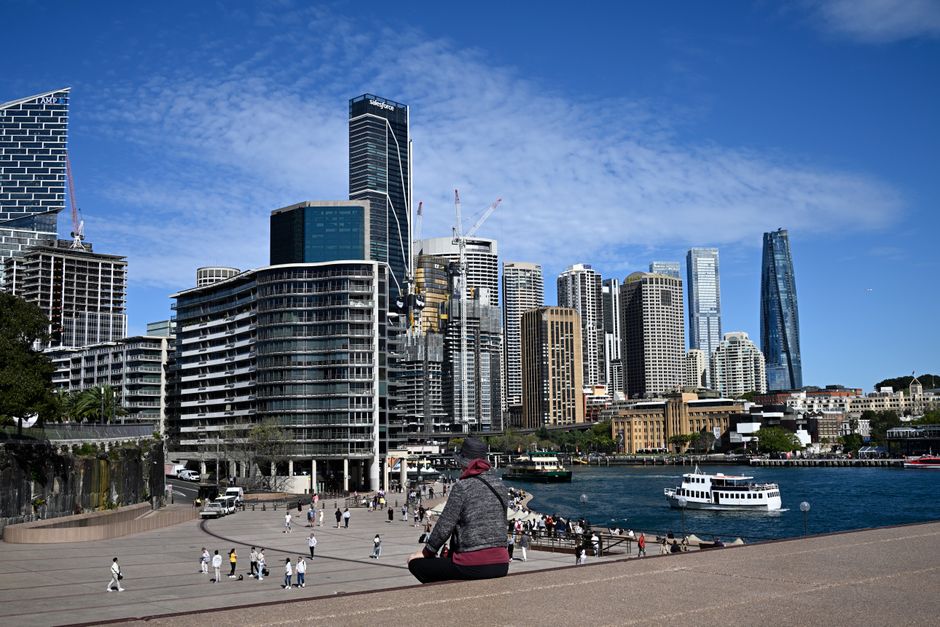
Sydney's export corridors are humming with fresh opportunity. While international headlines dominate with tales of geopolitical friction and supply chain disruption, a quieter but equally significant shift is unfolding in boardrooms along Pitt Street and Parramatta Road: African and South Asian markets are opening up, and Australian companies are positioned to exploit it.
The catalyst is structural. Geopolitical tensions in the Middle East and tightening Western relations with traditional trading partners have forced multinational corporations to diversify their sourcing. For Sydney-based exporters—particularly in agriculture, professional services, technology, and minerals—this represents a generational opportunity.
Already, the early movers are seeing results. Export data from Austrade shows shipments to sub-Saharan Africa increased 23 percent year-on-year through the first quarter of 2026, with Sydney businesses accounting for roughly 40 percent of that growth. Agricultural exporters operating from distribution hubs in Auburn and Wetherill Park report booking capacity six months ahead, something unthinkable two years ago. Technology firms clustered in the North Sydney towers are fielding inbound inquiries from Lagos, Johannesburg, and Nairobi at unprecedented rates.
What makes this moment distinctive is scale. The combined GDP of sub-Saharan Africa now exceeds $2.3 trillion, and demographic trends suggest explosive consumption growth. For Australian exporters accustomed to competing in mature Western markets with thin margins, these regions represent genuine volume upside. A mid-sized business services firm operating from Barangaroo reports that contracts in West Africa now represent 18 percent of revenue, up from under 3 percent in 2023.
Logistics firms are equally bullish. Container availability on African routes—traditionally a bottleneck—has improved markedly as carriers rebalance fleets away from congested US-China corridors. Port bottlenecks at Port Botany remain, but targeted investment in handling capacity for regional trade partnerships has eased pressure.
Not everyone is positioned to benefit equally. Large, established exporters with existing compliance infrastructure and brand recognition are capturing disproportionate share. Smaller operators face barriers: navigating regulatory environments, securing credit insurance, and managing currency volatility. Yet consulting firms across the CBD report a surge in enquiries from small-to-medium enterprises seeking entry strategies.
The window, executives warn, is not infinite. As traditional competitors recalibrate, opportunities will compress. For Sydney businesses with the capital, patience, and regional expertise to invest now, however, the returns could be substantial.
This article was compiled by AI from the sources linked above and screened before publishing. See our editorial standards.