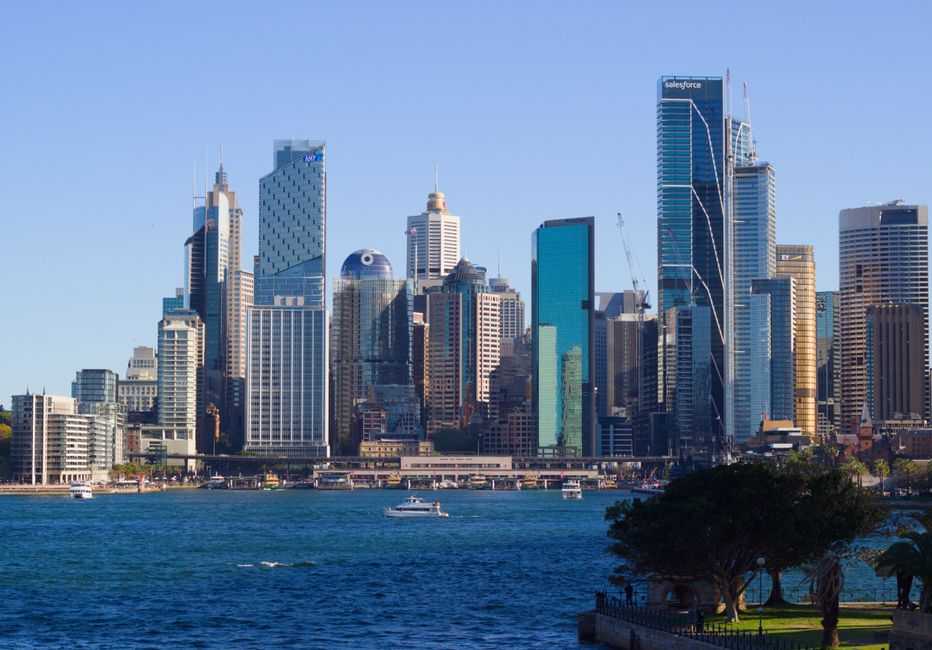
Walk down Pitt Street on a Tuesday afternoon and you'll notice something that would have been unthinkable five years ago: empty office towers with "Available" signs stacked in their lobbies. The Sydney CBD's commercial property market is undergoing a seismic shift, and residents across the city need to understand why it matters to their bond, their rent, and the cafes on their corner.
The numbers tell the story. Sydney's CBD office vacancy rate has climbed to around 7 per cent, with some analysts suggesting it could edge toward 10 per cent within two years. That's historically high, driven by a combination of hybrid work arrangements, rising interest rates that have stalled new development, and a fundamental rethink by major corporations about how much physical office space they actually need.
Here's the practical consequence: landlords and developers sitting on struggling commercial assets are looking elsewhere for revenue. That means converting underperforming office blocks into apartments—particularly in inner-ring suburbs like Surry Hills, Redfern, and Barangaroo where older commercial buildings offer the easiest conversion opportunities. More apartments means more competition for rental stock, which pushes rents higher across the board. If your lease comes up for renewal in the next 12 months, this trend is directly affecting your negotiating power.
The secondary effect is subtler but equally important. As office workers return less frequently—many major firms now operate on three days per week in the office—the ecosystem of businesses that depend on that foot traffic is shifting. Coffee roasters, lunch venues, dry cleaners, and convenience stores around Martin Place and Barangaroo have already felt the pinch. Some are closing; others are relocating to residential neighbourhoods where their customer base actually lives. This migration is reshaping where Sydney's small business growth is concentrated.
Real estate investment trusts that own commercial towers are also becoming more aggressive about retail and mixed-use development, which can change the character of established precincts. What was a quiet business district at 6 PM is increasingly becoming a mixed-use hub with apartments, bars, and late-night economy.
For everyday residents, the key takeaway is simple: the commercial property reset isn't just a CBD story. It's reshaping rents, reshaping neighbourhoods, and reshaping which areas feel economically vibrant. Pay attention to where conversions are happening and where commercial landlords are investing, because that's where your city is changing fastest.
This article was compiled by AI from the sources linked above and screened before publishing. See our editorial standards.