Sydney's Tourism Boom Accelerates: Who's Cashing In on the Visitor Surge
As international arrivals rebound sharply, hospitality operators and local businesses are seizing opportunities across the city's most vibrant precincts.
As international arrivals rebound sharply, hospitality operators and local businesses are seizing opportunities across the city's most vibrant precincts.
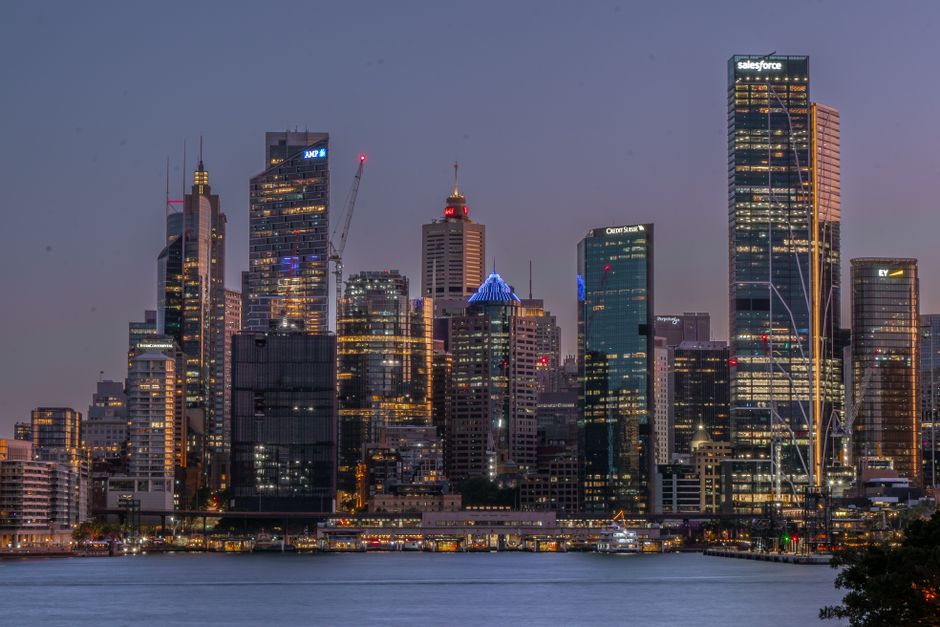
Sydney's visitor economy is firing on all cylinders, with international tourist numbers reaching pre-pandemic levels and climbing steadily through the first half of 2026. The shift is creating a lucrative window for hospitality operators, property owners and service providers across the city—and some are positioned to capture far more value than others.
Tourism NSW data indicates that June arrivals from key markets including the United States, United Kingdom and China have climbed approximately 18 per cent year-on-year. That translates into fuller hotels, busier restaurants and sustained demand across accommodation, dining and experiences. Average hotel room rates across the CBD and inner-city precincts have firmed to $285 per night, up from $247 at this time last year, while Airbnb hosts in Barangaroo, Paddington and the inner west are reporting occupancy rates above 80 per cent.
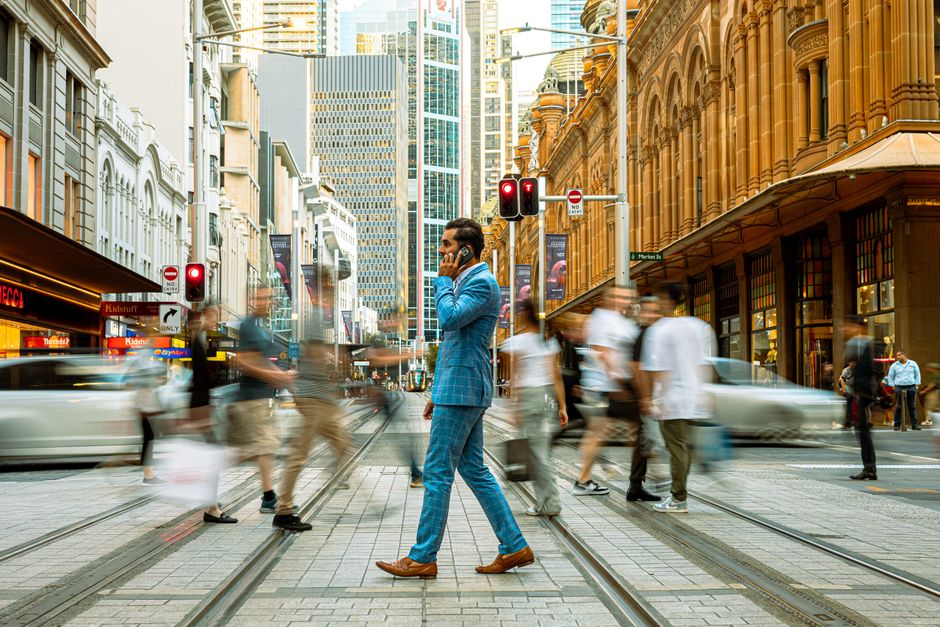
The beneficiaries are most visible in neighbourhoods already positioned as tourism anchors. Along Pitt Street's retail corridor and through the Rocks, hospitality venues are expanding staff and hours. Darling Harbour precinct operators report that foot traffic has rebounded to levels last seen in 2019, with gaming and entertainment venues particularly strong. Boutique hotel operators in Surry Hills and Potts Point—where supply remains tight—have been among the sharpest performers, capitalising on demand for mid-range accommodation with local character.
However, the windfall is unevenly distributed. Chain operators and well-capitalised property owners holding premium addresses command pricing power. Independent restaurateurs and smaller accommodation providers, particularly those without strong digital booking infrastructure, report they're working harder to capture their share. Tour operators, walking-tour guides and niche experience providers—from craft brewery tours to Indigenous culture offerings—are emerging as quiet winners, filling a growing market appetite for authentic, locally rooted experiences.
Transport and logistics networks are also benefiting. Ride-sharing, airport transfers and tour coaching operators report double-digit growth in bookings. The Homebush precinct, home to Western Sydney's growing visitor draw, has seen employment growth in hospitality and services accelerate.
The challenge now lies in sustainability. Retailers and venue operators are competing fiercely for available skilled labour, with wage pressures intensifying. Short-term rental regulation remains a flashpoint for residents in inner-city neighbourhoods, and infrastructure strain—particularly around public transport during peak visitor periods—is becoming harder to ignore.
For now, though, Sydney's visitor economy is presenting clear opportunities for those positioned to capture demand. The window is open. Who capitalises on it will depend less on luck than on location, capital and execution.
This article was compiled by AI from the sources linked above and screened before publishing. See our editorial standards.
How does this story make you feel?
Spread the word
About this article
Published by The Daily Sydney
Daily brief
Free, in your inbox before 7am. Weekdays.
More in Business