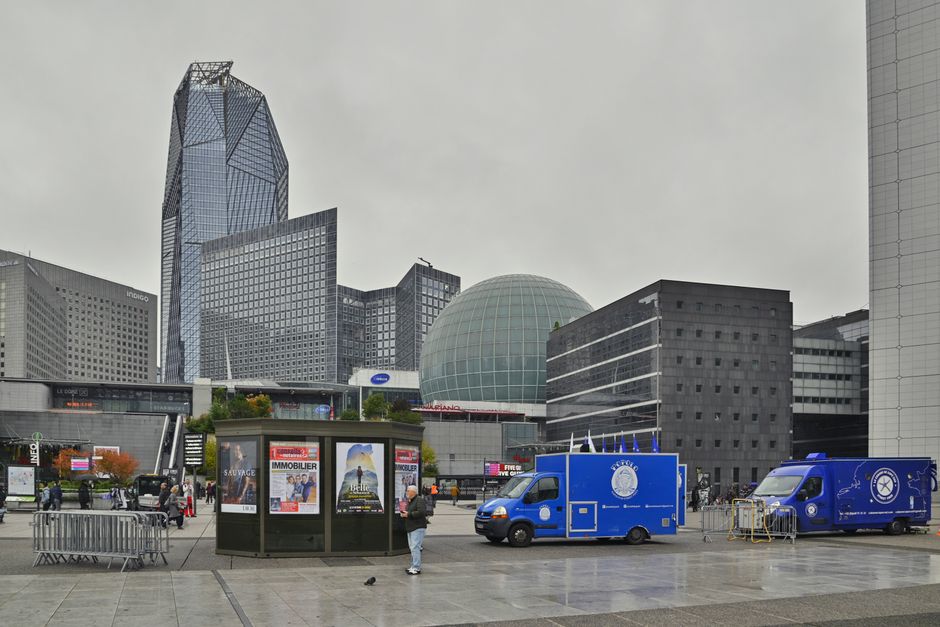
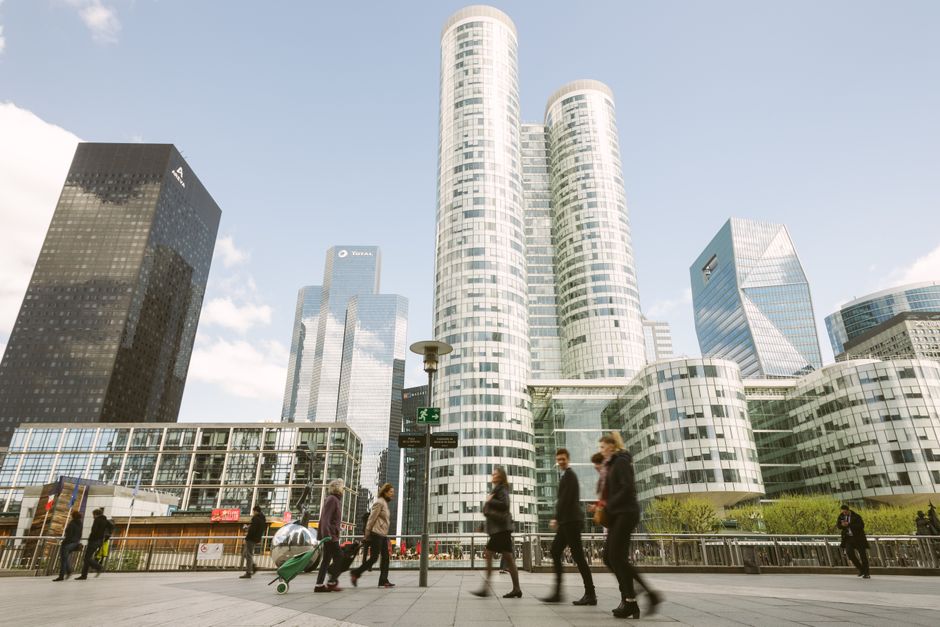
Paris's business community faces a critical inflection point as global trade patterns fracture under mounting geopolitical pressure. From the trading floors of La Défense to boutique import firms clustered around Rue Saint-Denis, French enterprises are scrambling to recalculate supply chains that, just months ago, appeared relatively stable.
The immediate concern stems from escalating tariff uncertainty. Middle East tensions have created bottlenecks around key shipping routes, with insurance premiums for Mediterranean-bound cargo rising 23% since April according to shipping brokers operating from the 8th arrondissement. Companies importing electronics components, textiles, or agricultural products face unexpected cost pressures that squeeze margins already tightened by domestic labour inflation.
"What changed dramatically is the timeline," explains analysis from Paris's Chamber of Commerce and Industry. Businesses that previously operated on 45-day lead times now require 65-75 days for Asian manufacturing partners. This elongation forces capital to sit idle in inventory longer than planned—a particular strain for mid-market firms lacking deep reserves.
The African angle adds complexity. Ebola restrictions in Central Africa have disrupted mineral sourcing, affecting manufacturing sectors dependent on coltan and cobalt. Meanwhile, Pakistan-Afghanistan instability threatens overland routes through Central Asia that some French logistics companies explored as alternatives to traditional maritime corridors.
However, opportunity lurks within volatility. Companies manufacturing in the Île-de-France region—particularly around industrial clusters near Bobigny and Val-de-Marne—are fielding fresh enquiries from businesses seeking to nearshore production away from Asia-Pacific risk zones. French pharmaceutical, aerospace, and precision engineering firms report increased interest from European clients seeking supply diversification.
Currency movements compound the puzzle. Euro volatility against both dollar and yuan creates pricing unpredictability that makes long-term contracts treacherous. Exporters from Paris's fashion and wine sectors, historically comfortable with currency fluctuations, now find themselves in unfamiliar territory when negotiating dollar-denominated commodity contracts.
The takeaway for businesses operating in Paris's economy is stark: the era of predictable globalisation has ended. Companies must immediately audit their supplier dependencies, stress-test their cash flow assumptions across extended lead times, and evaluate whether domestic or European alternatives exist—even at cost premiums of 8-15%. Those operating from Paris's 2nd and 9th arrondissements, home to concentrated trading activity, report that their most agile clients are already renegotiating contracts to include force majeure clauses and geographic sourcing triggers.
The window for strategic repositioning remains open, but it's closing rapidly. Businesses that wait until disruption hits their supply chains will find themselves competing for scarce alternatives against competitors who moved decisively now.
This article was compiled by AI from the sources linked above and screened before publishing. See our editorial standards.