The Marais district has long attracted tourists and fashion boutiques, but it's increasingly becoming a hub for ambitious office operators willing to navigate Paris's complex real estate landscape. At the centre of this shift is Sophie Mercier, founder of Mercier Développement, whose portfolio of converted historic properties along Rue de Turenne and surrounding streets is fundamentally changing how Parisians think about commercial workspace in the 4th arrondissement.
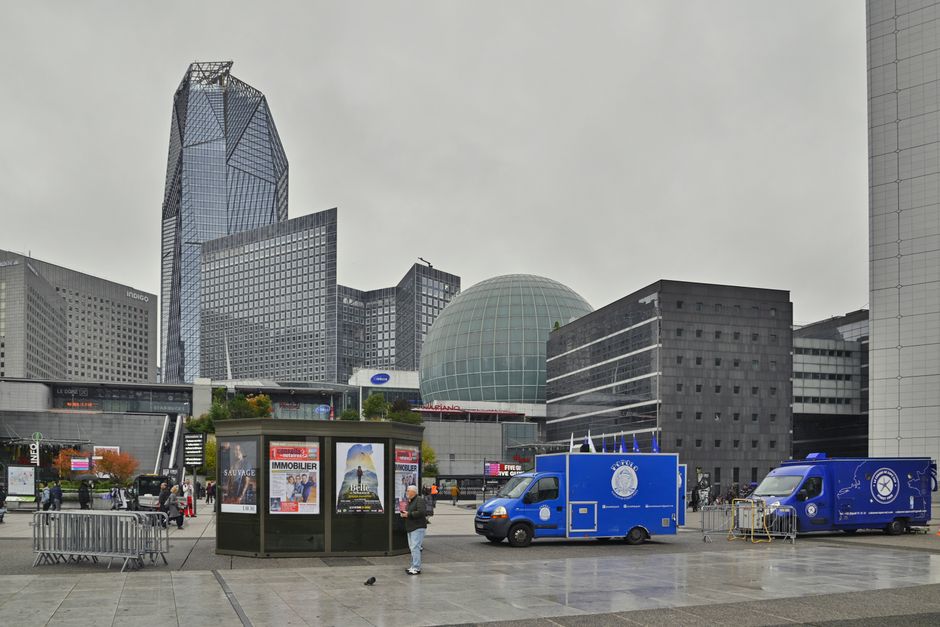
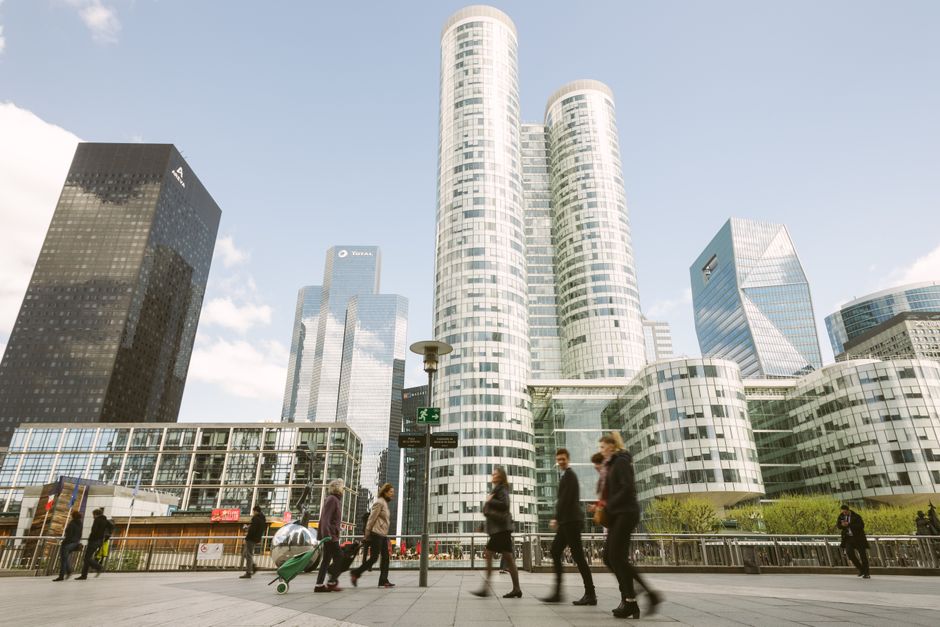
The commercial office market in central Paris has grown more competitive than ever. Average rental rates in prime locations near Île de la Cité and the Marais have climbed to €450-€550 per square metre annually—a 12 per cent increase over the past eighteen months, according to recent market data from major real estate consultancies. Yet demand for authentically Parisian office environments remains robust, particularly among creative agencies, tech firms, and international consulting groups seeking alternatives to the glass towers of La Défense.
Mercier's approach has been distinctly different. Rather than demolish and rebuild, her firm has systematically acquired late-19th and early-20th century properties—many languishing as underutilised storage facilities or partially occupied residential buildings—and transformed them into flexible office spaces that preserve original architectural features while meeting contemporary workplace standards. Her flagship project, a six-storey former textile manufacturing building near Place des Vosges, now hosts twelve mid-sized companies across 2,400 square metres of adaptable workspace, commanding premium rates without sacrificing character.
What sets Mercier's strategy apart is her deep engagement with the local community and municipal regulations. The Marais sits within sensitive heritage protection zones; she's earned a reputation for navigating these requirements more efficiently than competitors. Her buildings incorporate courtyard spaces—a hallmark of Parisian architecture—that serve as collaborative areas, directly addressing the post-pandemic shift toward hybrid working arrangements that many traditional office landlords have struggled to accommodate.
The financial case has proven compelling. Renovation costs, while substantial, remain lower than new construction. Occupancy rates across her portfolio hover near 95 per cent, with tenant retention substantially above the Paris average. As more international firms establish European headquarters in Paris—a trend accelerated by Brexit and regulatory changes—operators like Mercier are finding that authentic Parisian workspace commands both higher rates and stronger tenant loyalty than standardised corporate buildings.
Looking ahead, Mercier is reportedly scouting additional properties in the 3rd arrondissement and near Bastille, suggesting the market opportunity remains far from saturated. For Paris's commercial property sector, her success signals a durable shift: authenticity and flexibility, not just location, now drive premium valuations.
This article was compiled by AI from the sources linked above and screened before publishing. See our editorial standards.