Why Paris Renters Should Care About the Office Market Collapse
As commercial property transforms across the capital, everyday residents face higher rents and fewer affordable neighbourhoods—here's what you need to know.
As commercial property transforms across the capital, everyday residents face higher rents and fewer affordable neighbourhoods—here's what you need to know.
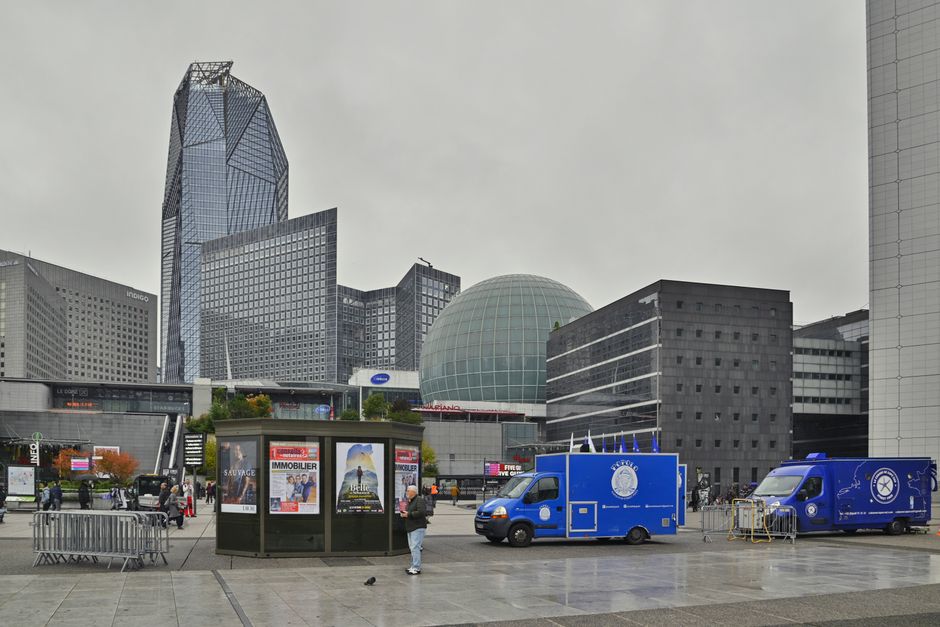
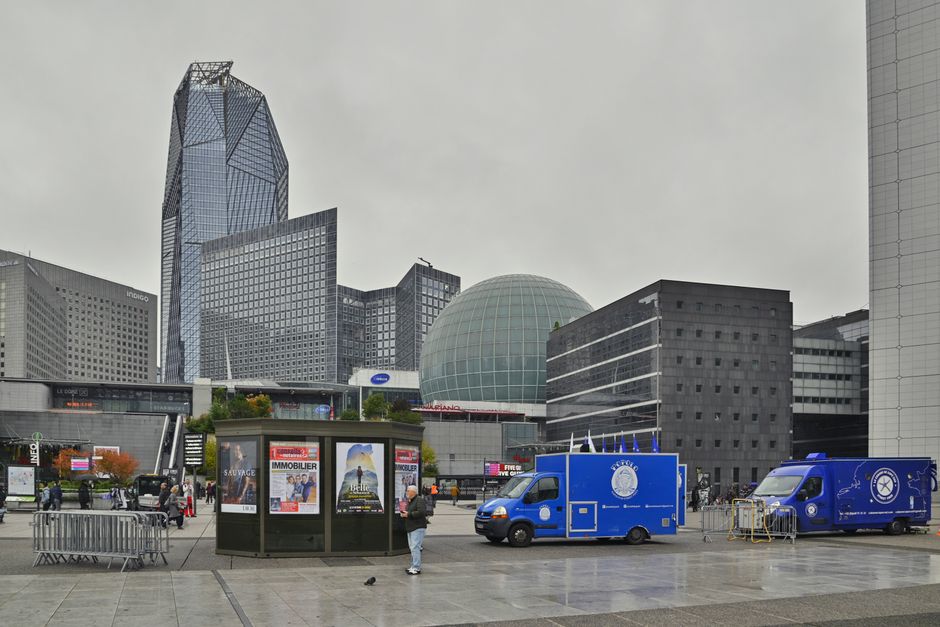
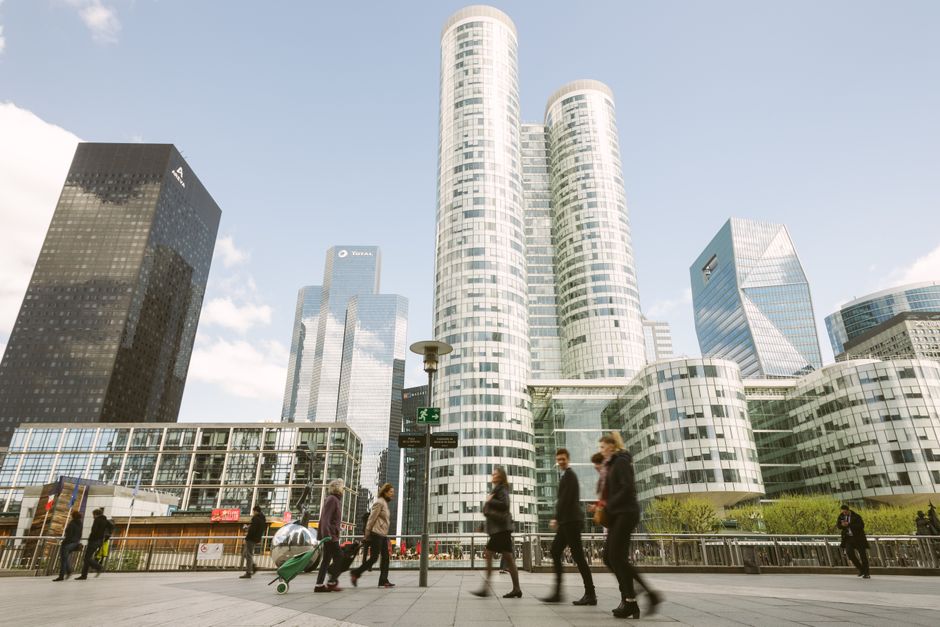
The Paris office market is undergoing a seismic shift, and while it may seem like a concern only for property developers, the reality affects anyone looking to rent or buy a home in the city. The conversion of unused office spaces into residential apartments is reshaping neighbourhood character and affordability across the capital, with consequences that reach far beyond the boardroom.
The numbers tell a stark story. Commercial vacancy rates in central Paris districts have climbed to levels not seen since the early 2010s, with the Marais and République neighbourhoods particularly exposed. Post-pandemic flexible working arrangements mean fewer bodies in traditional office towers, leaving landlords scrambling to reimagine properties built for cubicles and meeting rooms.
For residents, this creates both opportunities and complications. Developers are converting vacant office blocks along Rue de Rivoli and in the 8th arrondissement into apartments, theoretically increasing housing supply. Yet these conversions often target premium market segments. A converted loft near Place de la Madeleine won't solve housing pressures for middle-income Parisians; it attracts international investors and wealthy buyers instead.
The real squeeze affects neighbourhood stability. When commercial landlords lose tenants, they recoup losses through residential conversion. This accelerates gentrification in previously mixed areas like parts of the 10th and 11th arrondissements, where affordable studios and small apartments once served young professionals and students. Rents in these zones have risen 12-15% in the past two years as office-to-residential conversion gains pace.
There's also a secondary effect on local commerce. Neighbourhood bistros, boulangeries, and shops historically relied on office worker foot traffic during weekdays. Residential conversions without corresponding retail investment leave daytime pedestrian traffic hollow, threatening the cafés and small retailers that define Paris's street life.
The Paris City Council has acknowledged these tensions. Housing policy now includes provisions requiring developers to allocate converted spaces for social housing, though implementation remains inconsistent. Some arrondissements enforce stricter conversion quotas than others, creating a patchwork effect.
What should residents understand? First, office vacancy will continue reshaping where and how you live. Second, neighbourhood character isn't static—it evolves with real estate market forces. Third, housing advocates argue for stronger regulations to prevent wholesale gentrification. And finally, the apartment shortage in Paris won't be solved by office conversions alone; the city needs genuinely affordable units, not luxury lofts.
For renters and homebuyers, monitoring local planning permissions and neighbourhood demographic shifts isn't paranoia—it's practical wisdom in a capital where real estate remains the most consequential force shaping daily life.
This article was compiled by AI from the sources linked above and screened before publishing. See our editorial standards.
How does this story make you feel?
Spread the word
About this article
Published by The Daily Paris
Daily brief
Free, in your inbox before 7am. Weekdays.
More in Business