Why Paris Residents Should Care About the Office Market Shifting Around Them
As commercial property transforms across the city, everyday Parisians face higher rents, changing neighbourhoods, and new questions about their quality of life.
As commercial property transforms across the city, everyday Parisians face higher rents, changing neighbourhoods, and new questions about their quality of life.
Paris's office market is undergoing a quiet revolution, and while it may seem like a concern only for corporate landlords and finance professionals, the ripple effects are reshaping neighbourhoods where ordinary residents live, work, and spend their money.
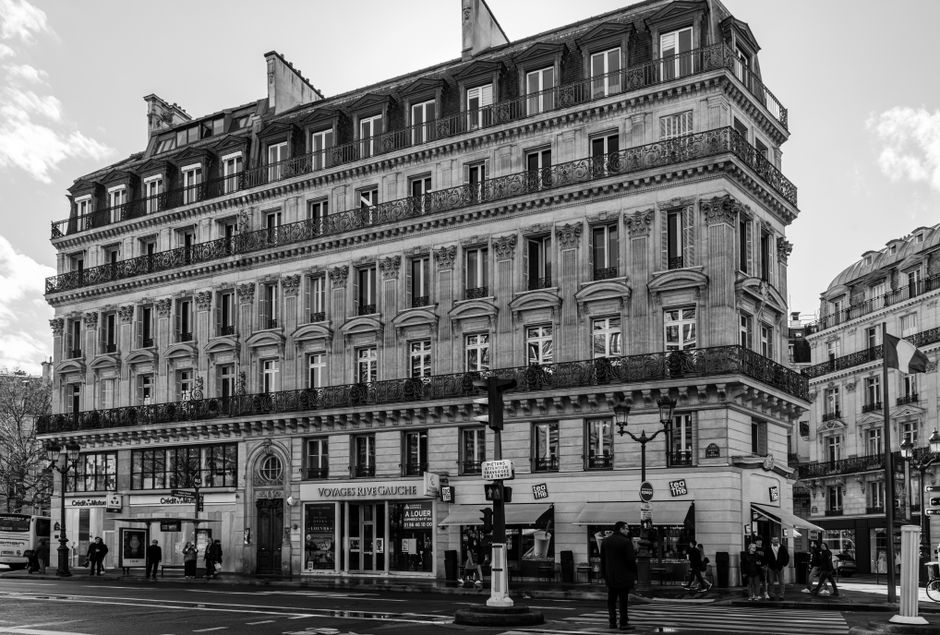
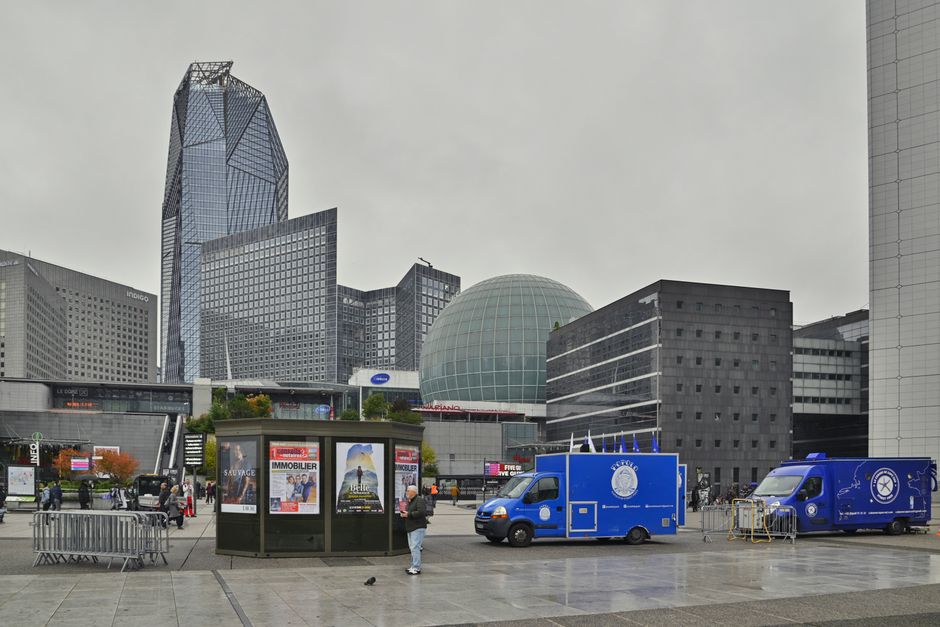
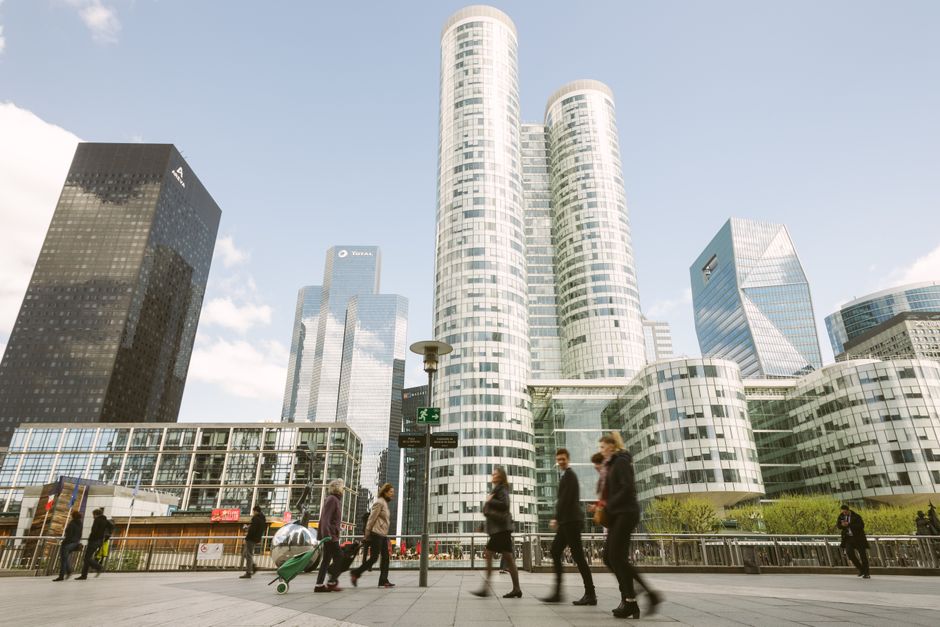
The transformation is most visible in La Défense and along the Left Bank near Montparnasse, where traditional office blocks are being repurposed or left vacant as companies embrace hybrid working arrangements. But the real story for Parisians lies in what's happening closer to home. Properties in the 4th and 11th arrondissements—historically affordable residential areas—are increasingly being converted into boutique office spaces, driving up commercial rents and, inevitably, residential property values.
This matters because neighbourhoods change when commercial property changes. Bakeries and neighbourhood cafés on Rue de Rivoli or in the Marais are being replaced by co-working spaces and startup hubs, altering the street-level character that residents depend on. Local businesses that have anchored these districts for decades cannot compete with venture-backed companies paying premium rents.
Real estate analysts note that office vacancy rates in central Paris hovered around 8-9% in early 2026, compared to pre-pandemic levels of 5%. Property owners, facing reduced corporate demand, are increasingly eyeing residential conversions or tourist accommodation—adding pressure to an already constrained housing market. For renters, this translates to fewer apartments available and higher prices, particularly in neighbourhoods near Châtelet, Les Halles, and République.
There's also a practical consideration: commuting patterns are shifting. With companies spreading remote work policies, fewer workers travel to traditional business districts, which has reduced pressure on the Métro during peak hours in some areas but created new congestion in residential neighbourhoods where people now work from home offices. Building permit applications show increased residential conversions of commercial properties, particularly in the 10th and 20th arrondissements.
For residents, the lesson is straightforward: commercial property isn't an abstract asset class. When office space becomes less valuable or changes purpose, your neighbourhood transforms. Rents rise. Local businesses close. Infrastructure gets strained in new ways. The Paris Chamber of Commerce has warned that without strategic planning, the city risks losing the diverse, mixed-use character that makes it liveable.
Understanding these shifts helps residents make informed decisions about where to live, rent, or invest—and reminds city planners that economic policy isn't separate from quality of life. It shapes it.
This article was compiled by AI from the sources linked above and screened before publishing. See our editorial standards.
How does this story make you feel?
Spread the word
About this article
Published by The Daily Paris
Daily brief
Free, in your inbox before 7am. Weekdays.
More in Business