The Paris commercial property market has entered a delicate recalibration phase, and the numbers tell a story that extends far beyond real estate: they reveal broader economic anxieties rippling through European investment corridors.
Office vacancy rates in Paris's central business districts climbed to 8.2 per cent in the first quarter of 2026, up from 6.1 per cent two years ago. That shift matters because it reflects not merely local market saturation, but a pronounced shift in capital allocation. Investment flows into French commercial property have cooled considerably, with institutional buyers redirecting funds towards logistics hubs and data centres—sectors perceived as more resilient in uncertain times.
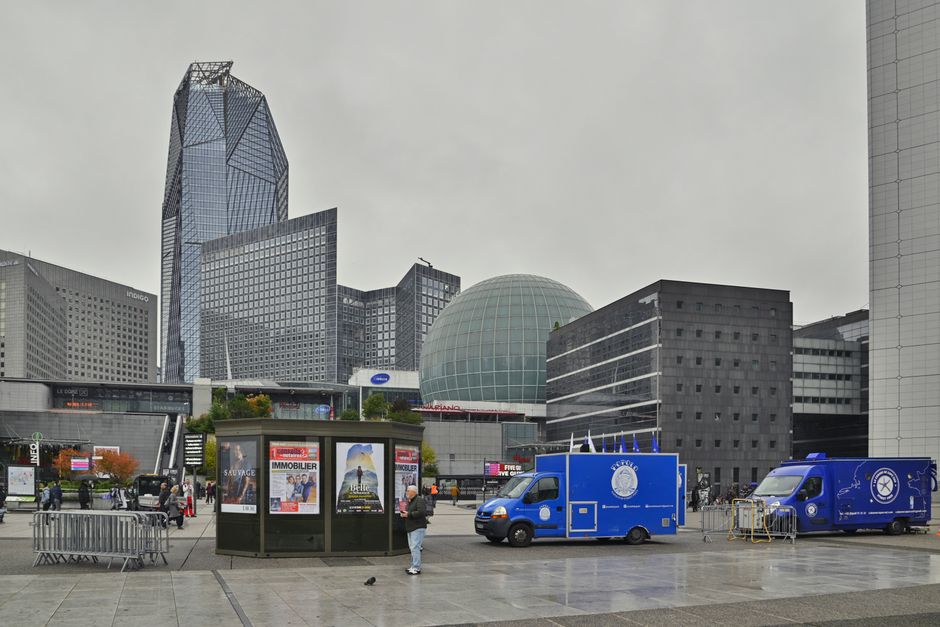
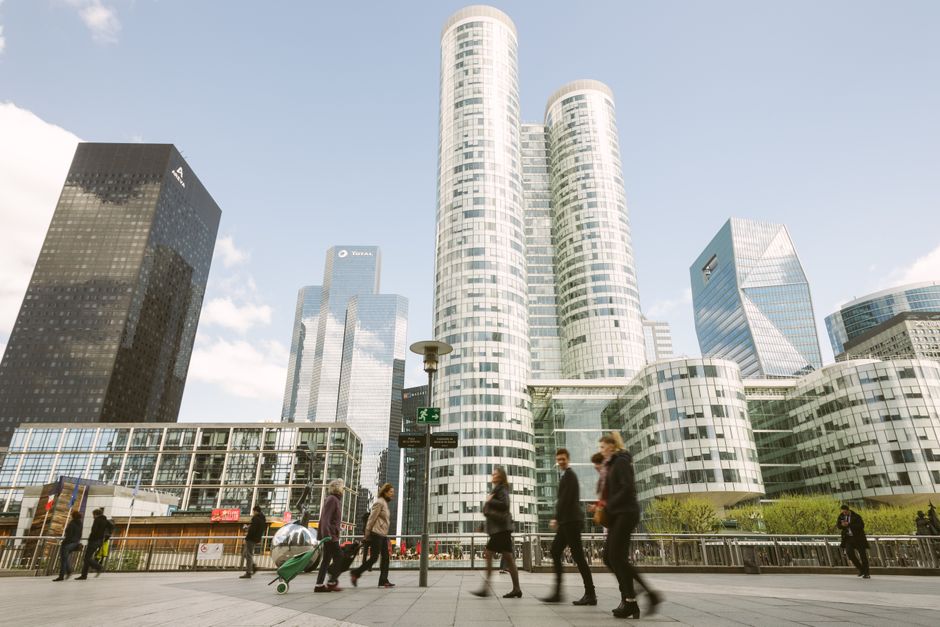
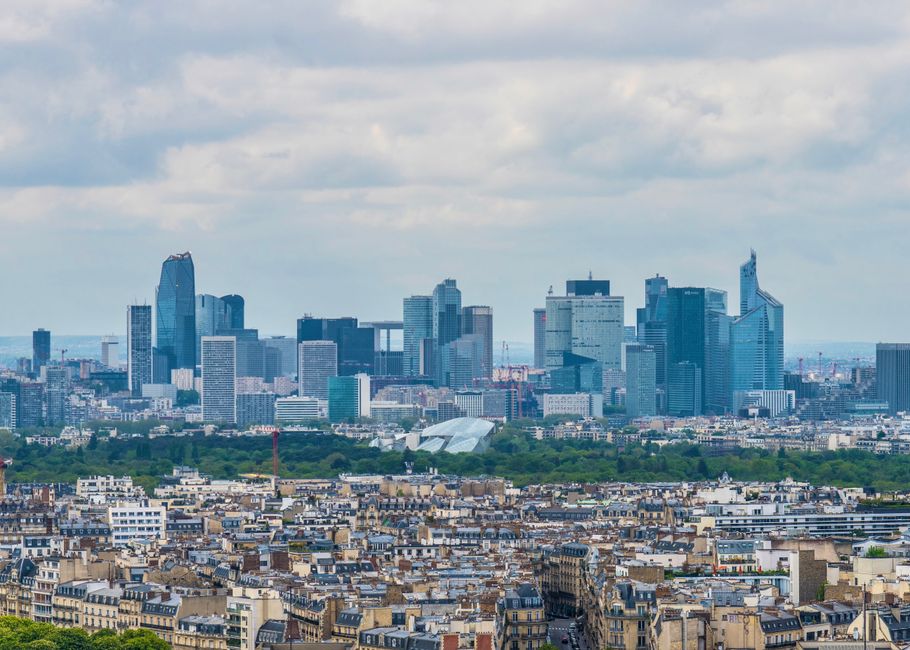
The pressure is most visible along Boulevard de la République and within the sprawling La Défense complex, where premium office space that commanded €800 per square metre annually now struggles to secure €720. Meanwhile, the Marais neighbourhood—traditionally a magnet for creative industries and boutique finance firms—has seen smaller tenancies remain stable at approximately €600 per square metre, a reflection of its residential appeal and cultural cachet.
What explains this divergence? The economic indicators point clearly to structural change. Remote working patterns, now five years into their post-pandemic normalisation, have permanently reduced demand for conventional office footprint. Simultaneously, rising interest rates have compressed yields on property investments, making long-term commercial leases less attractive to pension funds and sovereign wealth managers who once treated Paris commercial real estate as a core holding.
Foreign direct investment into French commercial property dropped 34 per cent year-on-year through June, according to preliminary CBRE data. American and Gulf-based capital, which had aggressively acquired assets in 2022–2023, has grown notably selective. Meanwhile, Chinese institutional investors—once significant players—have largely withdrawn, reflecting broader capital controls and economic headwinds at home.
Yet this slowdown contains nuance. Adaptive reuse projects—converting older office stock into residential or mixed-use developments—are attracting fresh investment around the Quartier de la Villette and eastern Paris. The shift signals investor confidence in Paris's long-term demographic appeal, even as traditional office metrics weaken.
For business leaders navigating this terrain, the lesson is straightforward: economic indicators rarely move in isolation. Commercial property trends illuminate capital behaviour, regulatory confidence, and sectoral expectations. In Paris's current market, the data suggests investors are recalibrating, not retreating—distinguishing between structural challenges and cyclical opportunity remains the investor's essential task.
This article was compiled by AI from the sources linked above and screened before publishing. See our editorial standards.