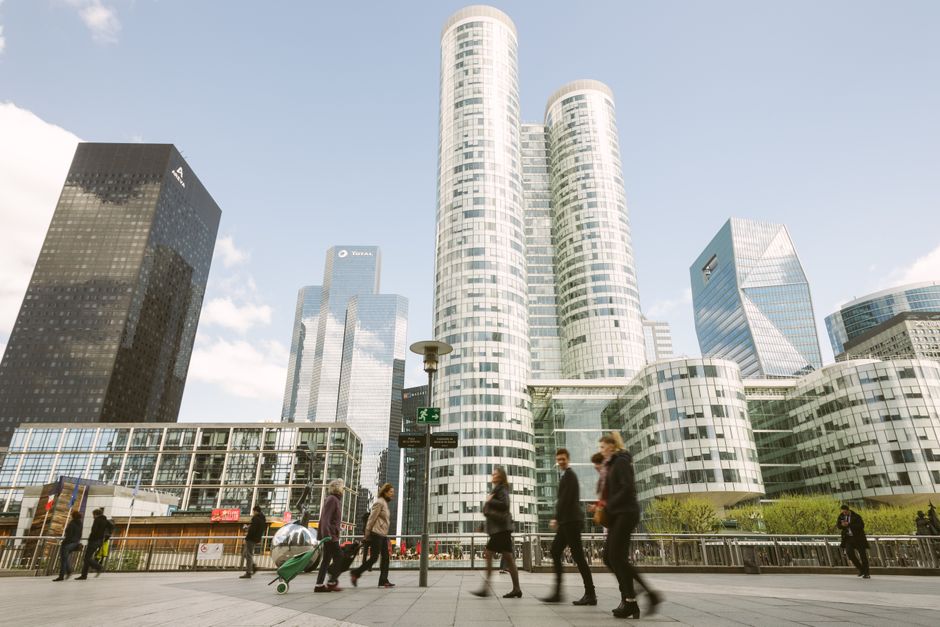
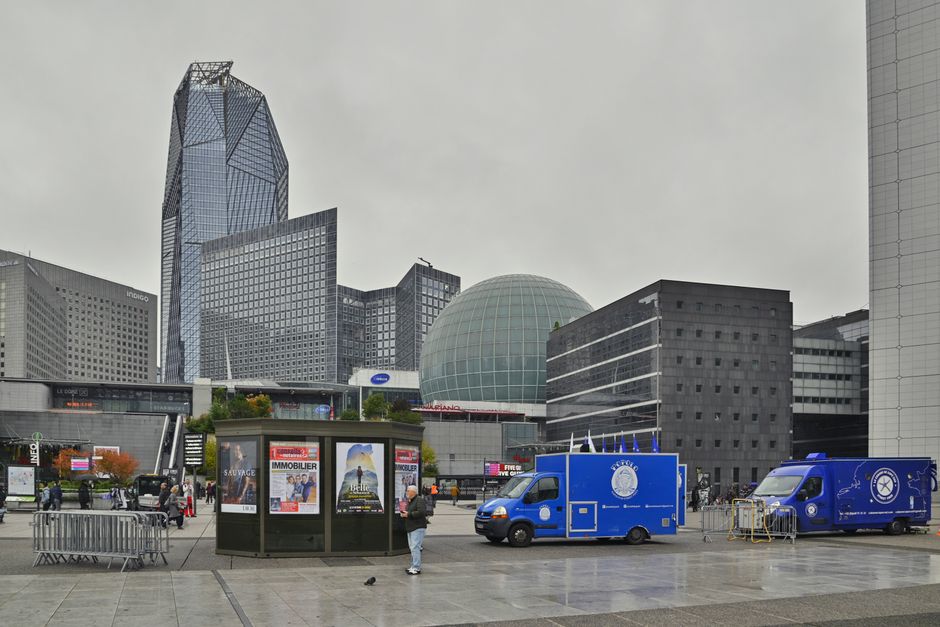
The gleaming office towers of La Défense tell a complicated story this June. While Paris's unemployment rate sits at 7.2%—lower than the national average—recruiters working from glass-fronted firms along Avenue de la Grande Armée report an unexpected trend: companies are hiring more cautiously, and differently, than they did six months ago.
The reason isn't domestic. It's global instability filtering directly into neighbourhood hiring decisions across the capital.
"We're seeing clients in aerospace, finance, and energy pause or reshape their plans," says the recruitment sector, which processes roughly 12,000 placements monthly across the Île-de-France region. International tensions—from Middle Eastern diplomatic friction to Venezuelan economic collapse—are forcing multinational firms headquartered in Paris to reconsider their talent pipelines and operational footprints. Companies are moving away from long-term hiring commitments and toward contract roles that offer flexibility.
In the 8th arrondissement, where major pharmaceutical and luxury conglomerates maintain European headquarters, HR departments have quietly shifted focus. Previously, graduate recruitment programmes attracted talent to positions in emerging markets. Now, those positions are being consolidated or moved in-house. One major consulting firm operating near Champs-Élysées confirmed it reduced its planned summer internship intake by 18% compared to 2025.
The ripple effect extends to commercial real estate around Rue Saint-Antoine in the Marais, where tech startups and scale-ups cluster. Office occupancy rates remain solid at 89%, but lease renewals increasingly favour flexible, shorter-term arrangements rather than the five-year commitments that dominated pre-2024 negotiations. Average office rental prices in central Paris have stabilised around €750 per square metre annually, but demand volatility is making landlords nervous.
International student mobility data tells another story. Fewer Indian and Brazilian postgraduates are committing to Paris-based employment pathways, according to campus recruitment networks. Meanwhile, demand for cybersecurity specialists and supply-chain risk analysts—roles addressing global instability—has spiked 34% year-on-year.
What does this mean for a Parisian worker? Sectoral shifts matter more than headline unemployment figures. Workers in logistics, healthcare, and digital security face competitive hiring environments. Those in international finance, tourism, and emerging-market consulting face narrowed opportunities.
Business leaders from offices overlooking the Seine aren't panicking—Paris remains Europe's premier business hub. But they're adapting. The global economy's tremors are no longer abstract data points debated in conference rooms. They're changing who gets hired, where, and for how long.
This article was compiled by AI from the sources linked above and screened before publishing. See our editorial standards.