Paris Labour Market Tightens as Tech and Tourism Sectors Battle for Talent
As mid-year hiring accelerates across the capital, employers face rising wage pressures and shifting worker expectations in a fragmented job market.
As mid-year hiring accelerates across the capital, employers face rising wage pressures and shifting worker expectations in a fragmented job market.
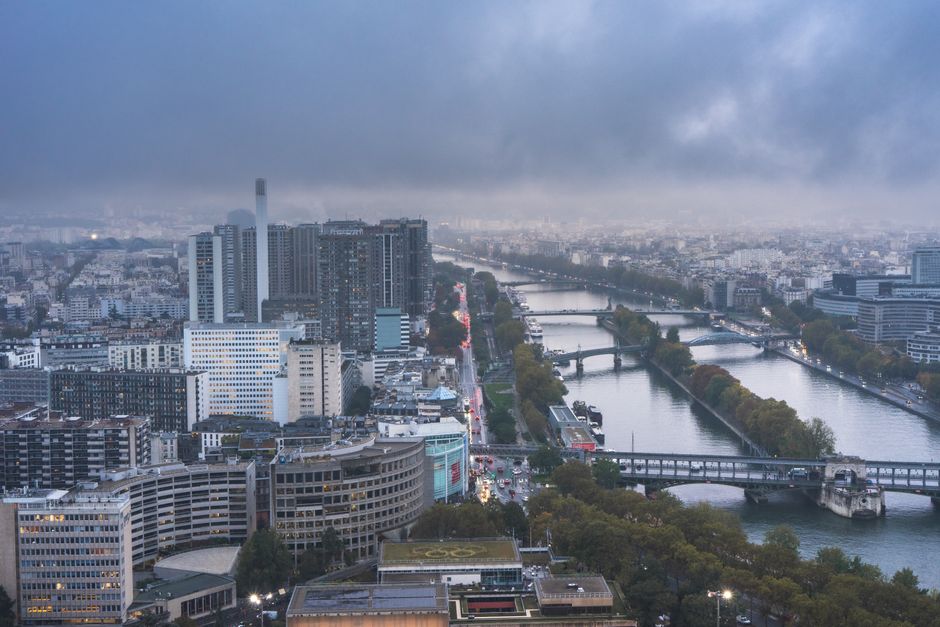
Paris's employment landscape is undergoing a significant recalibration as we head into the second half of 2026, with businesses across the Marais, La Défense, and the 15th arrondissement grappling with talent shortages and evolving workforce demands.
The most pressing challenge facing recruiters is competition between sectors. The technology hubs clustering around Rue de Turenne and the innovation districts have intensified their hiring sprees, with entry-level developer positions now commanding €35,000-€42,000 annually—a 12 per cent increase from last year. This aggressive expansion has created a spillover effect: hospitality and retail operations across the Latin Quarter and near Galeries Lafayette report difficulty filling mid-level management roles, with some establishments offering signing bonuses to secure experienced candidates.
Recruitment agencies operating from offices on Boulevard Haussmann report a marked shift in worker priorities. Remote flexibility has become non-negotiable rather than negotiable. Only 34 per cent of jobseekers now accept fully office-based arrangements, forcing traditional corporate sectors to rethink operational structures. Financial services firms in the 8th arrondissement have begun hybrid arrangements that would have been unthinkable three years ago.
Wage inflation presents another complication. The service sector—restaurants, hotels, and attractions dependent on Paris's tourism draw—faces particular pressure. Skilled hospitality staff are commanding 8-10 per cent salary increases to offset inflation in accommodation costs near transit hubs. Commercial rent in desirable neighbourhoods has climbed beyond €800 per square metre monthly, making cost-of-living considerations central to employment negotiations.
Manufacturing and light industrial operations in the periphery around Seine-Saint-Denis are experiencing different pressures. These employers report filling vacancies more readily but struggle with retention; workers are mobile, moving toward central Paris opportunities at the slightest improvement in offers.
Training and upskilling programmes have emerged as competitive differentiators. Organisations offering internal development pathways—particularly in digital literacy and sustainability management—report better hiring success and employee retention. This trend is reshaping recruitment conversations; candidates increasingly ask about professional development before discussing salary.
Looking ahead, businesses should prepare for persistent wage competition through autumn, increased reliance on flexible staffing models, and growing expectations around workplace culture and career progression. The market remains fundamentally unbalanced: those sectors offering adaptability, development, and proximity to Paris's quality-of-life advantages will continue attracting talent. Those clinging to inflexible traditional models will increasingly struggle.
This article was compiled by AI from the sources linked above and screened before publishing. See our editorial standards.
How does this story make you feel?
Spread the word
About this article
Published by The Daily Paris
Daily brief
Free, in your inbox before 7am. Weekdays.
More in Business