Paris Office Market Shifts Course: What Businesses Need to Know Now
As hybrid work reshapes demand, Paris's commercial real estate landscape is entering a new phase—and property owners must adapt fast.
As hybrid work reshapes demand, Paris's commercial real estate landscape is entering a new phase—and property owners must adapt fast.
Paris's commercial property market is undergoing its most significant recalibration in a decade. After years of robust demand from financial services and tech firms, the office sector is now navigating a fundamental shift driven by persistent hybrid working patterns and changing tenant priorities.
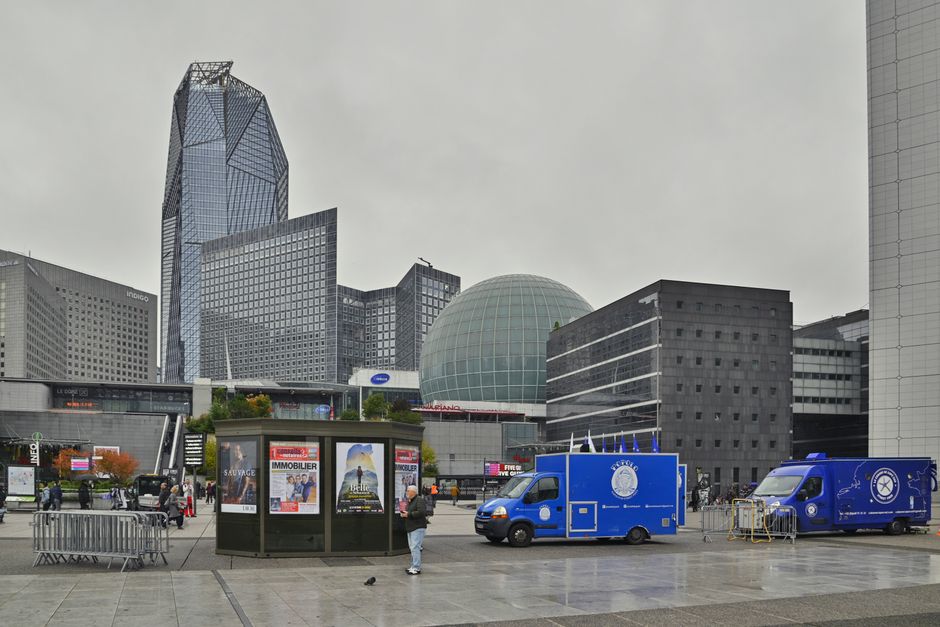
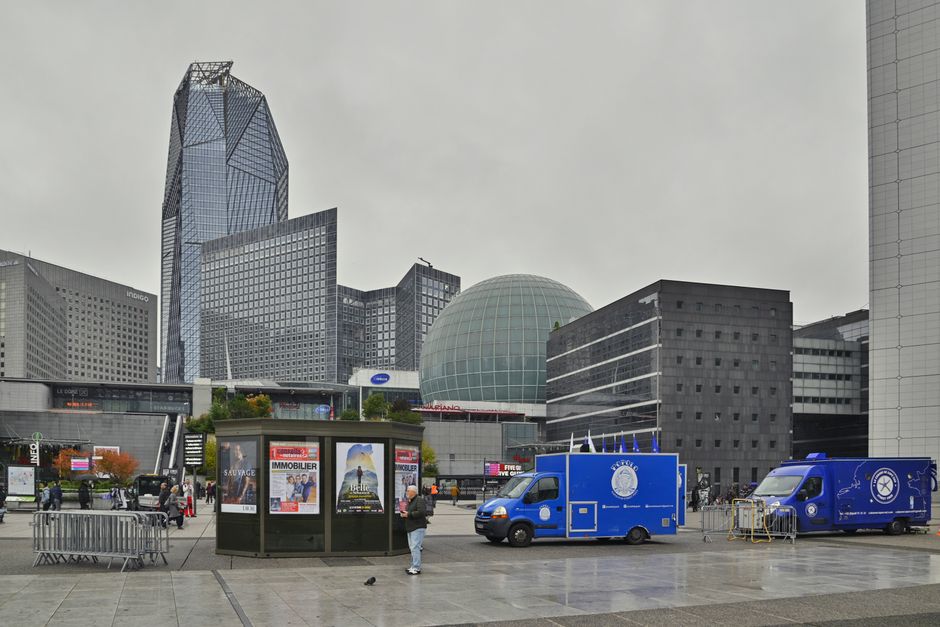
The numbers tell a striking story. Vacancy rates in central business districts have climbed to levels not seen since 2015, with the Défense district—Europe's largest business hub—reporting approximately 12% vacant space as of Q2 2026. Meanwhile, prime locations on the Right Bank, particularly around the Champs-Élysées and Rue Saint-Honoré, are seeing landlords offering unprecedented incentives: rent reductions of 15-20% and longer rent-free periods to secure long-term commitments.
The divergence is geographical but also definitional. Traditional office towers are struggling, but experiential workspace is thriving. Properties offering flexible arrangements, collaborative zones, and amenity-rich environments in walkable neighbourhoods—particularly around Marais, Saint-Germain-des-Prés, and the emerging Rive Gauche tech corridor near Quai d'Austerlitz—are commanding premium prices and minimal vacancy.
Investors and occupiers face critical decisions. Consolidation is accelerating: mid-sized firms are downsizing their footprints by 25-35%, while scaling startups are prioritising quality over square metres. The average lease negotiation cycle has lengthened from six to ten months as both parties recalibrate expectations around space utilisation and long-term viability.
Energy efficiency has become a competitive imperative rather than a luxury. Properties without modern HVAC systems, renewable energy integration, or robust digital infrastructure are losing tenant interest regardless of location prestige. Several older Haussmann-style conversions along Boulevard Haussmann are seeing mixed results, reflecting tension between heritage charm and contemporary workplace demands.
For business leaders evaluating offices now, several principles apply. First: resist oversizing. Second: prioritise flexibility—month-to-month options or shorter lease terms provide insurance against further market shifts. Third: location matters increasingly for talent retention; accessibility to metro lines like Line 4 (connecting the financial centre to the Marais creative district) significantly influences leasing decisions.
The outlook remains uncertain. Tech sector consolidation globally and potential interest rate volatility could accelerate current trends or produce unexpected reversals. Smart operators are treating 2026 as a buyer's market with an expiration date, securing advantageous terms now while landlords remain motivated to fill space. For Paris's commercial property sector, adaptation is no longer optional—it's survival.
This article was compiled by AI from the sources linked above and screened before publishing. See our editorial standards.
How does this story make you feel?
Spread the word
About this article
Published by The Daily Paris
Daily brief
Free, in your inbox before 7am. Weekdays.
More in Business