Paris Office Market Finds New Winners as Remote Work Forces a Reckoning
Landlords and developers betting on flexibility and mixed-use spaces are capturing value while traditional corporate towers struggle to fill seats.
Landlords and developers betting on flexibility and mixed-use spaces are capturing value while traditional corporate towers struggle to fill seats.
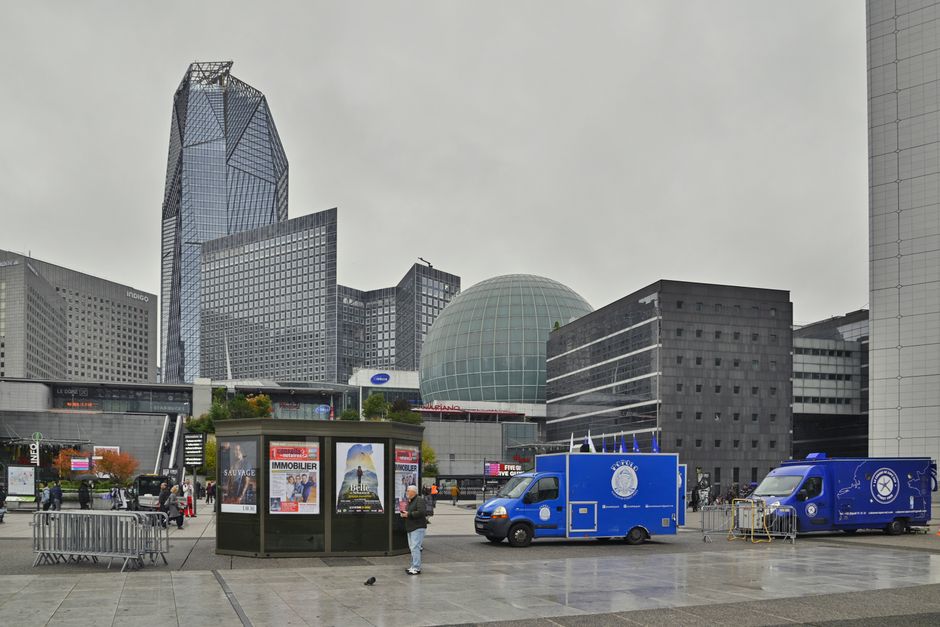
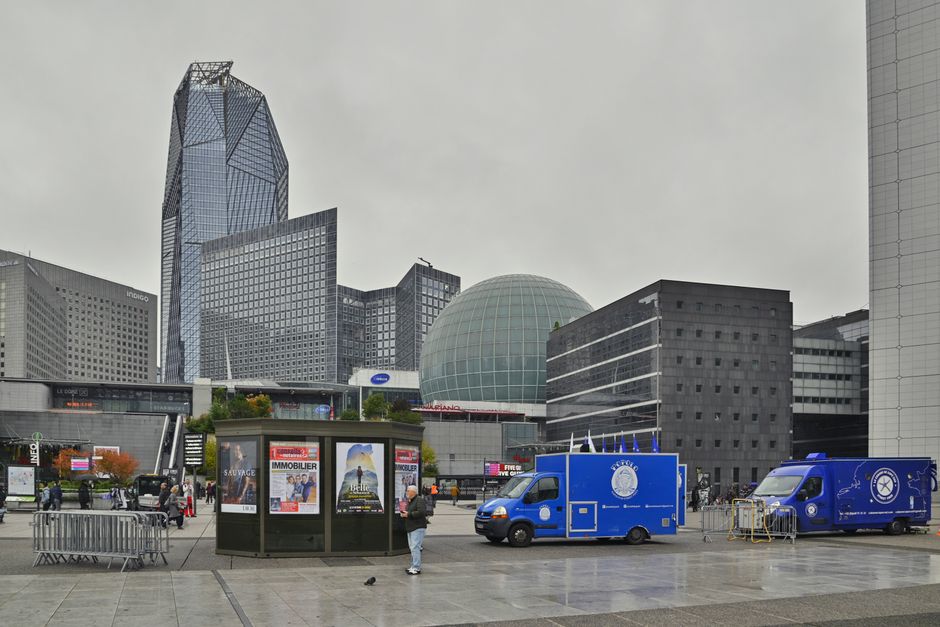
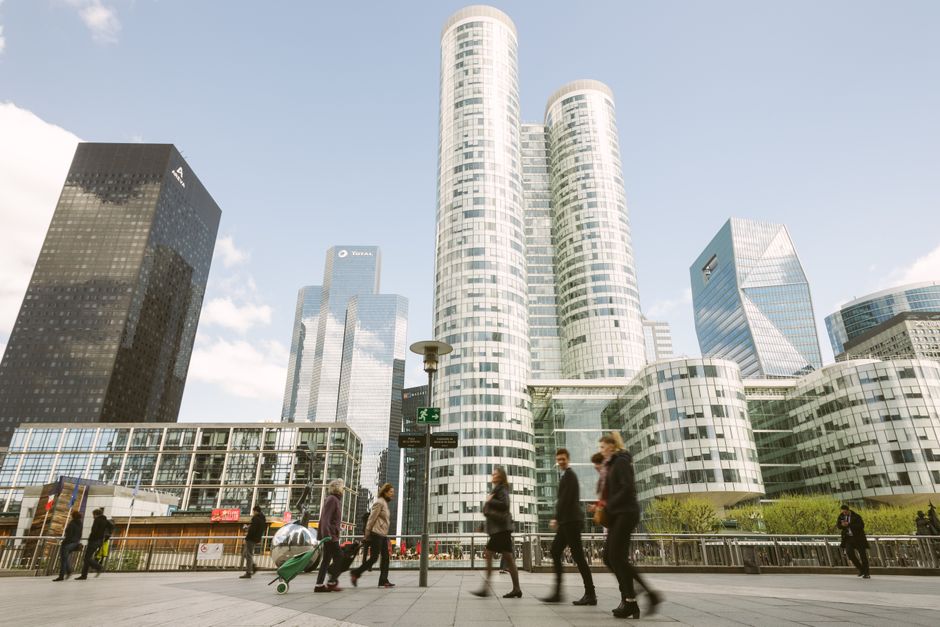
The Paris commercial property market is experiencing a decisive shift that is creating clear winners and losers. While iconic office districts like La Défense grapple with rising vacancy rates—now hovering near 12 percent, the highest in a decade—savvy investors and adaptive landlords are capitalizing on a fundamental recalibration of how companies actually use office space.
The opportunity lies in flexibility. Properties that can be divided, reconfigured, or converted are commanding premium rents and attracting tenants faster than traditional single-tenant tower blocks. In the Marais and around République, mixed-use developments combining office, retail, and residential amenities are seeing leasing velocity that central business district landlords can only envy. The difference is stark: while heritage office buildings in the 8th arrondissement are offering concessions and rent reductions to retain tenants, newer flexible-space operators are reporting near-full occupancy.
Several actors are already winning. Flex-space operators and coworking providers have expanded aggressively, with memberships across Paris rising by roughly 35 percent since 2023. Meanwhile, property owners who have invested in refurbishment—particularly those upgrading heating, cooling, and digital infrastructure to meet modern ESG standards—are attracting multinational firms relocating from outdated stock. Rents for premium, recently renovated space in quartiers like Oberkampf and the 11th arrondissement have held steady or appreciated, even as conventional offices depreciate.
The data tells the story. Average asking rents in La Défense have fallen to €380 per square meter annually, down from €420 two years ago. By contrast, newly repositioned properties near Gare de l'Est and Belleville are securing €450-500 per square meter for comparable space—but with greater flexibility and shorter lease terms. Institutional investors are recognizing the signal: several major French pension funds have begun exiting traditional office funds in favor of portfolios emphasizing adaptability and mixed-use potential.
Developers with land in transitional areas—particularly along the Seine's eastern reaches and in the emerging innovation clusters around Saclay—are repositioning projects to include office components alongside creative studios, hospitality, and residential units. This diversification reduces vacancy risk and appeals to younger companies prioritizing culture and collaboration over prestige addresses.
The structural shift is undeniable. Companies are occupying less total space but demanding more from it. Those property owners and investors who recognized this inflection point early are reaping returns. Those clinging to 1990s models of dedicated office towers face years of margin compression ahead.
This article was compiled by AI from the sources linked above and screened before publishing. See our editorial standards.
How does this story make you feel?
Spread the word
About this article
Published by The Daily Paris
Daily brief
Free, in your inbox before 7am. Weekdays.
More in Business