Paris's employment landscape is undergoing a subtle but significant shift as multinational corporations recalibrate their international trade strategies. The ripple effects are reshaping which skills command premium salaries and which neighbourhoods are experiencing hiring booms.
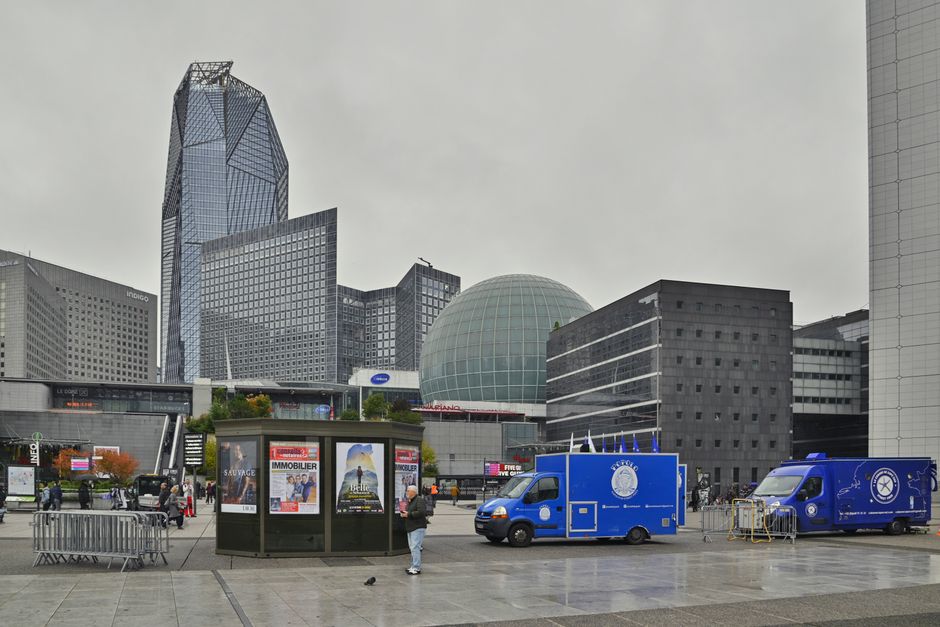
In La Défense, the business district that houses Europe's largest concentration of corporate headquarters, recruitment agencies report a 34 per cent year-on-year increase in positions focused on supply chain management and emerging market expertise. Companies like TotalEnergies, LVMH, and Danone are expanding teams dedicated to trade route diversification and new sourcing partnerships—a direct response to the geopolitical uncertainties dominating headlines from Venezuela to the Middle East.
"We're seeing compensation packages for logistics coordinators with expertise in African and South Asian trade routes jump by 15 to 22 per cent," says a senior recruiter at a major Paris-based placement firm. Meanwhile, conversational fluency in Portuguese, Swahili, and Hindi has become increasingly valuable alongside traditional business languages.
The shift is creating unexpected opportunities in traditionally overlooked neighbourhoods. In the 12th arrondissement, near the Gare de Lyon rail hub, small logistics firms and freight forwarding companies are expanding operations. Studio apartments in the area, previously priced around €650 monthly, are now fetching €780 as young supply chain professionals relocate. Cafés along Rue de Charenton have become informal networking hubs for the emerging trade-focused workforce.
Business schools across Paris report soaring applications for programmes combining international commerce with geopolitical analysis. HEC Paris and ESSEC have expanded intake for their trade and emerging markets specialisations by 28 per cent over two academic years.
The trend extends beyond logistics. Companies are recruiting regulatory affairs specialists who understand evolving tariff frameworks and trade agreement implications. Financial advisory firms on the Right Bank are hiring economists focused on currency volatility and cross-border payment systems.
Not all sectors benefit equally. Traditional import-export roles are becoming increasingly automated and data-driven, consolidating positions in central business hubs rather than dispersing them. However, roles requiring human judgment—relationship management with foreign suppliers, market entry strategy, political risk assessment—remain robust and well-remunerated.
For Paris's broader economy, the recalibration signals both opportunity and challenge. The city's talent pool is deepening in specialised domains, cementing its position as a global business hub. Yet competition for skilled professionals is intensifying, particularly from London and Frankfurt, as companies vie for multilingual, internationally-minded specialists who understand the complexities of modern trade.
This article was compiled by AI from the sources linked above and screened before publishing. See our editorial standards.