Paris Residents Need to Understand These Five Finance Realities Reshaping Your Wallet in 2026
From rent inflation in the Marais to pension changes and investment shifts, here's what everyday Parisians should know about their financial future.
From rent inflation in the Marais to pension changes and investment shifts, here's what everyday Parisians should know about their financial future.
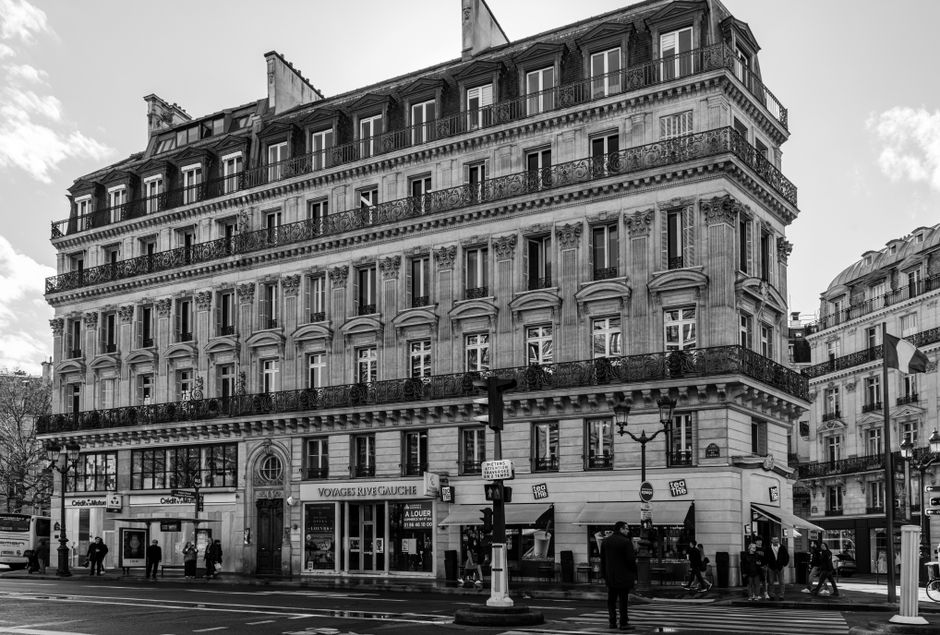
Paris residents are facing a perfect storm of financial pressures that go beyond headline inflation figures. While central bank data shows France's consumer prices have moderated from pandemic peaks, the lived reality for everyday Parisians—particularly those in central arrondissements—tells a different story about where money actually goes.
First, housing remains the elephant in every Parisian room. Studio apartments in the 4th arrondissement near Place des Vosges now command average rents of €850–€950 monthly, while comparable spaces in the 11th near République hover around €700–€800. Even outer neighbourhoods like Belleville and Oberkampf have seen 15% rent increases over three years. For first-time buyers, the mathematics are brutal: a modest two-bedroom apartment in the 13th costs €520,000–€580,000. These aren't temporary blips—they reflect structural shifts in how French financial institutions value urban property.
Second, pension reform continues reshaping retirement expectations. The government's 2023 reforms, now fully implemented, mean most Parisians must work longer or accept smaller payouts. The Caisse d'Assurance Retraite et de la Santé au Travail (CARSAT) estimates workers born after 1960 face significantly different retirement timelines than previous generations. For mid-career professionals—the backbone of Paris's finance, tech, and service sectors—this means reassessing savings strategies now, not later.
Third, investment behaviour among ordinary Parisians has shifted dramatically. Banks like Société Générale and BNP Paribas report that retail clients are increasingly moving from traditional savings accounts (now offering negligible returns) into equity funds and real estate investment trusts. This democratisation of investing carries real risks for people who lack financial literacy. A €50,000 inheritance or bonus can no longer sit safely in a low-yield account.
Fourth, energy costs remain elevated. While wholesale prices have normalised, residential bills for heating and electricity in older Parisian buildings—common throughout the 5th, 6th, and 7th arrondissements—often run €1,200–€1,600 annually. Renovation subsidies exist but require navigating byzantine bureaucratic processes through local mairies.
Finally, consumer credit has become deceptively expensive. Buy-now-pay-later schemes marketed at shops along the Champs-Élysées and Rue de Rivoli often carry hidden costs that turn a €500 purchase into €580 commitments. For younger workers in precarious employment, this becomes a debt trap.
The message for Paris residents is clear: passive financial management no longer works. Understanding these realities—housing costs, pension timelines, investment basics, energy expenses, and credit traps—isn't optional. It's essential survival economics for 2026 Paris.
This article was compiled by AI from the sources linked above and screened before publishing. See our editorial standards.
How does this story make you feel?
Spread the word
About this article
Published by The Daily Paris
Daily brief
Free, in your inbox before 7am. Weekdays.
More in Business