The transformation is unmistakable on Rue de Turenne. Where boutique galleries once dominated, sleek glass-fronted offices now house artificial intelligence startups and fintech firms. This visible shift mirrors a deeper upheaval in Paris's labour market, one that threatens to reshape talent acquisition across the entire Île-de-France region.
Paris's startup ecosystem has grown exponentially over the past three years. The Marais and République districts, once primarily residential and retail zones, have become magnets for venture-backed companies. Station F, the sprawling startup campus in the 13th arrondissement, now hosts over 1,000 companies. Meanwhile, the emerging hub around Parc des Buttes-aux-Cailles in the 13th—nicknamed "Tech Valley" by some—has attracted major engineering talent from across Europe.
This concentration is creating acute labour shortages in technical roles. A senior software engineer in Paris now commands salaries between €65,000 and €95,000, according to recruitment specialists tracking the market. Five years ago, that range was €45,000 to €65,000. Product managers have seen similar upward pressure, with mid-level positions now fetching €55,000 to €75,000.
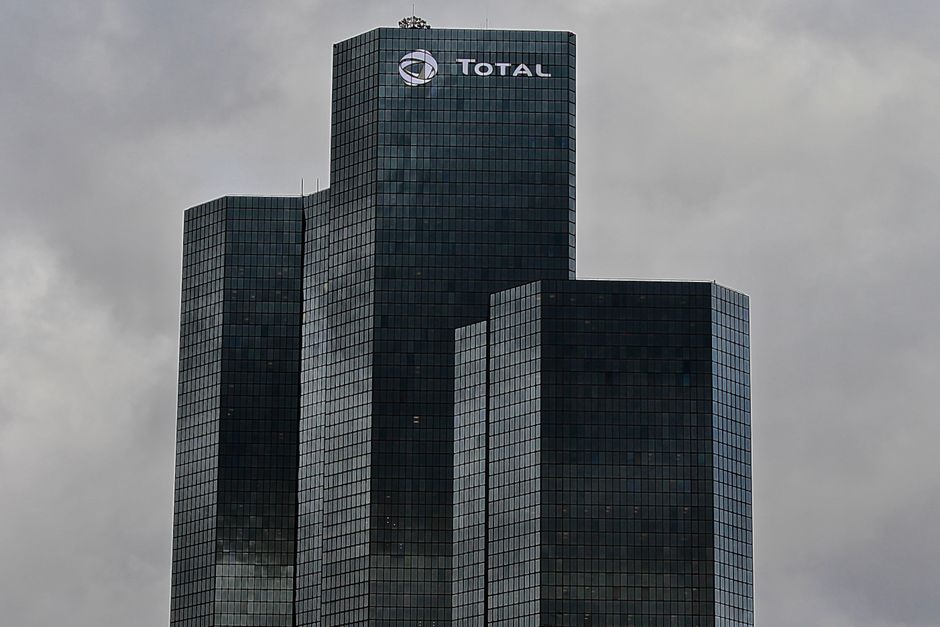
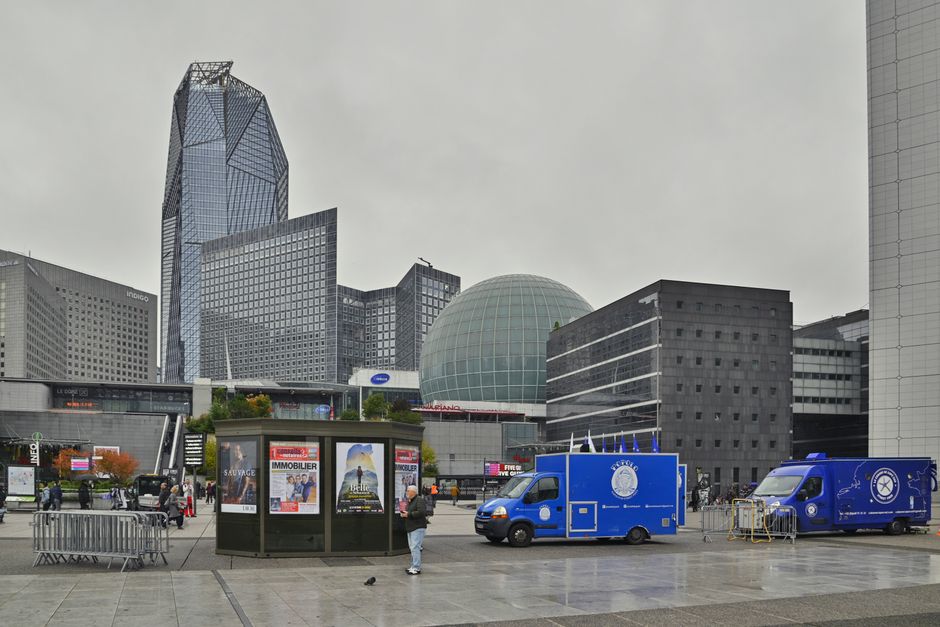
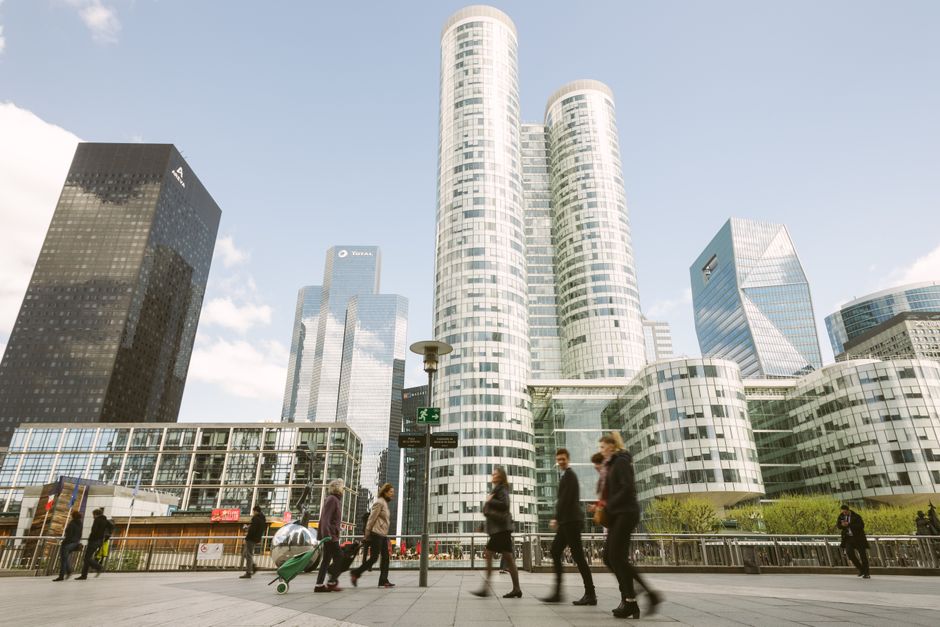
Traditional corporations are feeling the squeeze. Insurance firms, pharmaceutical giants, and consulting houses headquartered in La Défense report increased difficulty retaining engineering talent. Several have begun establishing satellite offices in the Marais and near Gare de Lyon to remain competitive. One multinational pharmaceutical firm recently announced a 40-person data science team would relocate from its conventional headquarters to a newly leased space on Boulevard Beaumarchais.
The ripple effects extend beyond wages. Startups operating on venture funding cycles prioritise flexibility: remote-work policies, stock options, and rapid advancement. This stands in sharp contrast to bureaucratic hiring processes at legacy employers. Local real estate values have surged accordingly. Coworking space in the 11th arrondissement now rents for €500 to €650 per desk monthly—double the rates of 2022.
Yet challenges persist. France's highly regulated labour market and substantial employer payroll taxes limit startup scaling capacity. Brain drain to London and Berlin remains a concern, despite France's improved visa policies for tech talent. Housing costs in central Paris continue climbing, potentially limiting the geographic diversity of the workforce these companies can attract.
Still, the momentum appears irreversible. By 2027, Paris is projected to have created over 8,000 net new tech-sector jobs, according to industry analysts. That velocity is fundamentally reordering how Paris recruits, compensates, and retains talent—with consequences rippling far beyond startup offices into every corner of the capital's business landscape.
This article was compiled by AI from the sources linked above and screened before publishing. See our editorial standards.