Paris Job Market Signals Shift: What the Numbers Tell Us About Investment Flows
Fresh economic data reveals how capital movement and hiring patterns are reshaping employment prospects across the French capital's key sectors.
Fresh economic data reveals how capital movement and hiring patterns are reshaping employment prospects across the French capital's key sectors.
Paris's employment landscape is displaying unmistakable signals of rebalancing as investment flows shift between traditional and emerging sectors. Latest figures from INSEE, France's national statistics office, show that while overall unemployment in the Île-de-France region has stabilized around 7.2 percent, the composition of available positions tells a more nuanced story about where capital is actually moving.
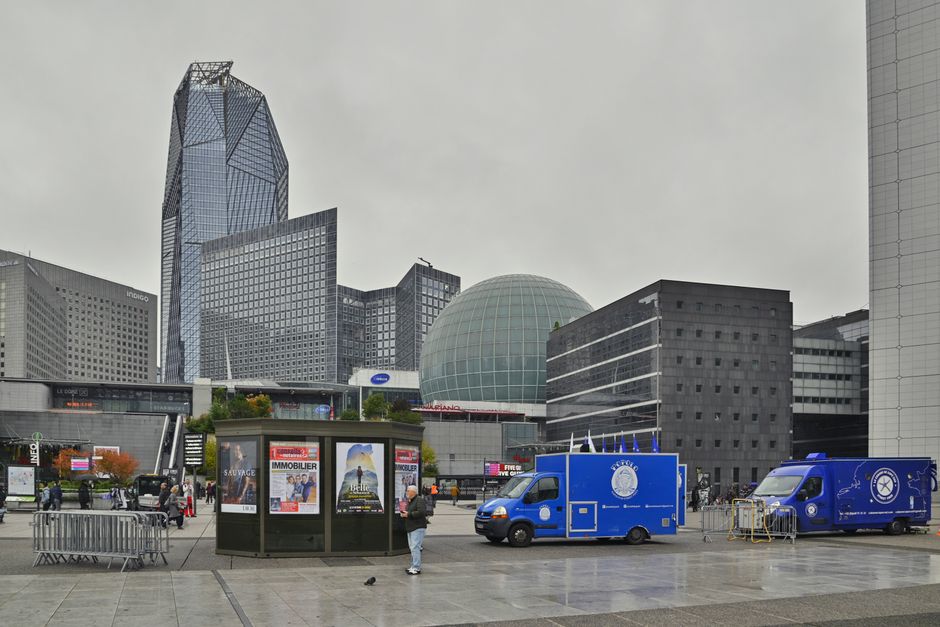
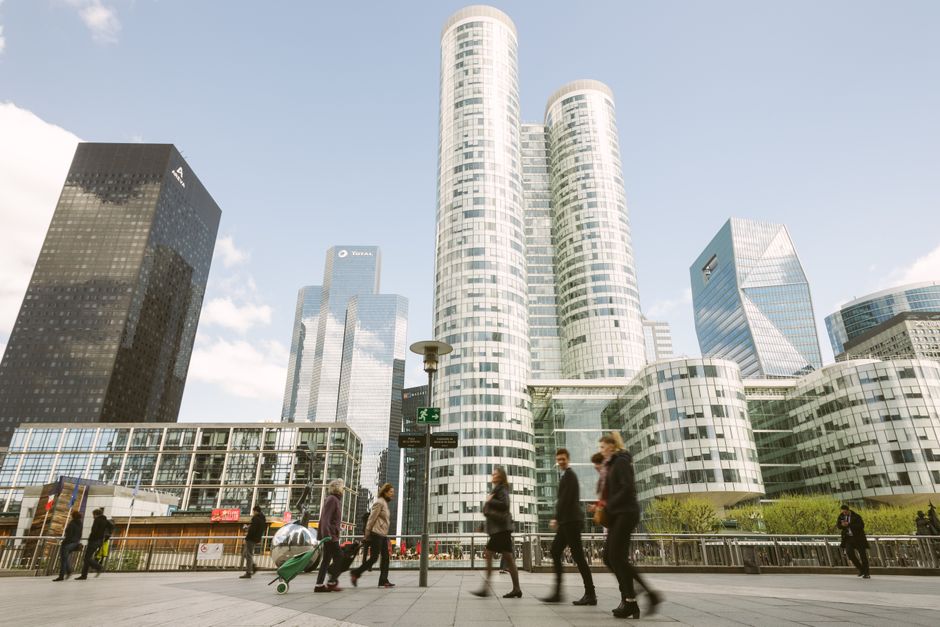
The technology corridor stretching from the Marais through République and into La Défense continues attracting disproportionate investment. Venture capital funding for Paris-based startups reached €2.8 billion in the first half of 2026, according to preliminary data—a 15 percent increase from the same period last year. This concentration is creating acute talent shortages in software development and data science roles, where entry-level salaries have climbed to €38,000–€42,000 annually, a significant jump from €35,000 two years ago.
Conversely, traditional sectors are experiencing slower hiring. Commercial real estate offices along the Champs-Élysées and in the 8th arrondissement report tenant demand has softened, reflecting hybrid work adoption across multinational corporations. Banking and finance positions in La Défense's towers remain stable but are no longer expanding at historical growth rates.
What's particularly revealing is where foreign capital is flowing. Japanese and German manufacturers maintaining operations near Orly have quietly increased investment in automation and supply-chain infrastructure rather than headcount. Meanwhile, American and Israeli companies are aggressively recruiting in the life sciences and biotech clusters around Villejuif and Créteil, where pharmaceutical research activity has grown 22 percent year-over-year.
Real estate prices offer another indicator. Commercial lease rates in the Sentier district—historically associated with fashion and design—have fallen 8 percent, suggesting investor confidence in that neighborhood is waning. By contrast, mixed-use developments in the 13th arrondissement, particularly around the Seine Gauche project, are commanding premium valuations as investors bet on tech and creative industries clustering there.
For job seekers, the implications are clear: growth is narrowing into specific pockets. Those with skills in artificial intelligence, renewable energy, and advanced manufacturing will find expanding opportunities and rising compensation. Generalist roles in administration and back-office functions face structural pressure. The €750 million in EU recovery funding directed toward Paris's green economy initiatives suggests that sectors aligned with climate transition will see sustained hiring through 2027 and beyond.
The takeaway for Paris's economy: we're witnessing not an employment crisis, but rather a reallocation of capital that demands workforce adaptation and geographic mobility within the metropolitan region.
This article was compiled by AI from the sources linked above and screened before publishing. See our editorial standards.
How does this story make you feel?
Spread the word
About this article
Published by The Daily Paris
Daily brief
Free, in your inbox before 7am. Weekdays.
More in Business