From Pop-Up to Powerhouse: How a Marais Entrepreneur is Reshaping Paris's Hospitality Scene
A bold vision for sustainable dining and community-first service is transforming the 4th arrondissement's competitive food landscape.
A bold vision for sustainable dining and community-first service is transforming the 4th arrondissement's competitive food landscape.
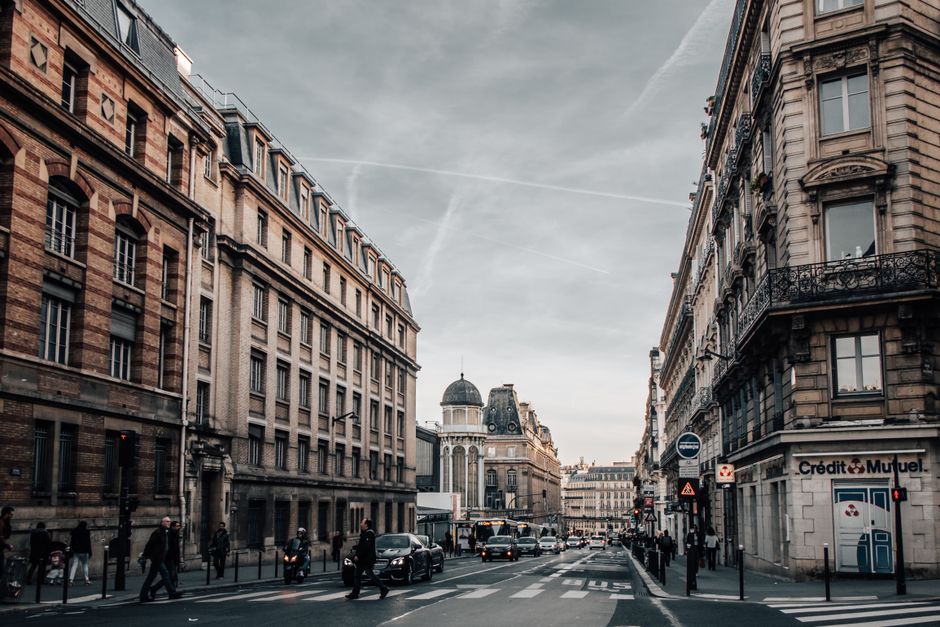
The Marais district has long been Paris's culinary proving ground, where experimental chefs and ambitious restaurateurs test new concepts on some of the city's most discerning diners. Yet amid the crowded streets of Rue des Rosiers and the bustling cafés lining Place des Vosges, one recent venture has quietly distinguished itself through a philosophy that prioritises ingredient traceability and staff wellbeing over the chase for Michelin recognition.
Located on a modest corner of Rue de Turenne, the establishment has grown from a three-day-a-week pop-up operation in late 2024 to a fully operational venue serving lunch and dinner six days weekly. What began as an experiment in reducing food waste—sourcing exclusively from nearby suppliers within a 15-kilometre radius—has evolved into a model that's drawing attention from hospitality industry observers across the Île-de-France region.
The operator's approach reflects broader shifts in how Paris's food sector is adapting to economic pressures and changing consumer expectations. Industry data from the Paris Chamber of Commerce suggests that approximately 40 per cent of independent restaurants in the 4th arrondissement have closed since 2020, with rising rents and labour costs cited as primary factors. Yet businesses demonstrating clear operational differentiation and community integration have defied these headwinds.
The Rue de Turenne venue maintains a tight staff of twelve, all employed on permanent contracts with wages 18 per cent above the statutory minimum. This commitment to employment stability—increasingly rare in Paris's notoriously transient hospitality sector—has generated notable staff retention rates exceeding 85 per cent, substantially above industry averages of around 60 per cent.
Menu pricing reflects this ethical positioning: a three-course lunch averages €28, while evening service runs €45 per head. These figures remain competitive within the Marais's premium positioning, yet the operational transparency—posted supplier information, seasonal menu cards detailing producer names—offers customers tangible context for their spending.
The venue's daily capacity hovers around 45 covers, deliberately constrained to prevent the standardisation that larger establishments require. Reservations typically book out four to five weeks in advance, suggesting both operational sustainability and genuine demand for this hospitality model.
As Paris's restaurant sector continues navigating post-pandemic recovery and inflationary pressures, this Marais-based venture exemplifies how localised supply chains, fair labour practices, and transparent operations can coexist with commercial viability. Whether this approach scales beyond independent venues remains an open question—but for now, it represents a distinctive counterpoint to the consolidation pressures reshaping the city's dining landscape.
This article was compiled by AI from the sources linked above and screened before publishing. See our editorial standards.
How does this story make you feel?
Spread the word
About this article
Published by The Daily Paris
Daily brief
Free, in your inbox before 7am. Weekdays.
More in Business