Paris's commercial property market is undergoing a seismic shift that extends far beyond real estate transactions. The wholesale migration of major employers from the city centre to peripheral business districts is fundamentally rewiring how talent flows through the Île-de-France region, with profound implications for recruitment, retention, and career mobility.
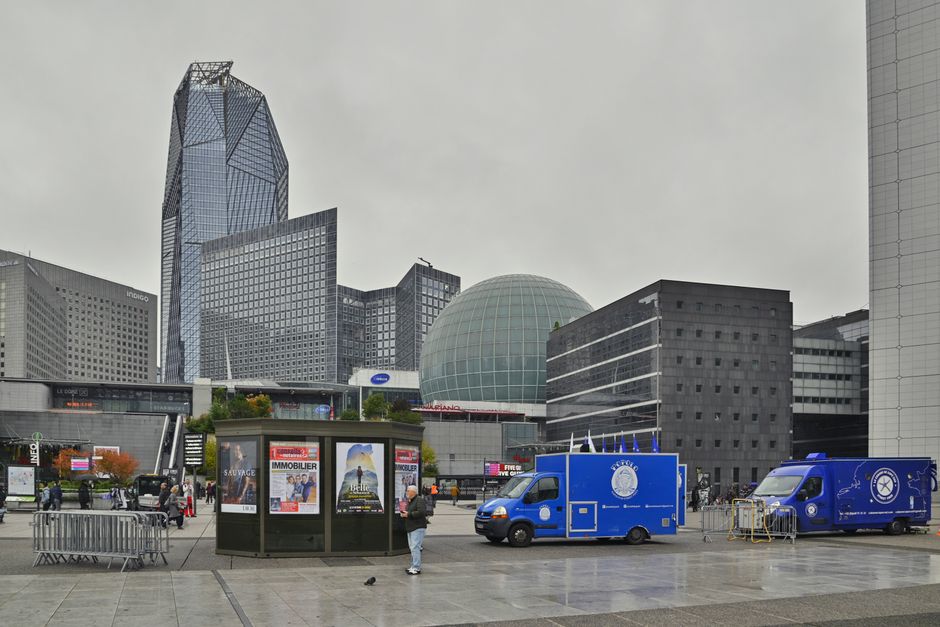
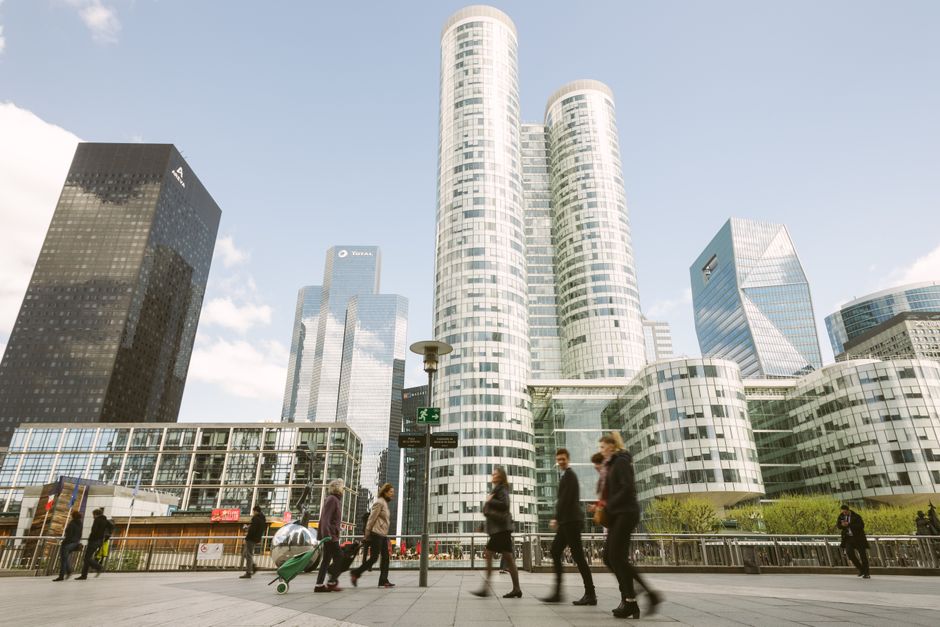
The trend is undeniable: office vacancy rates in the 8th arrondissement have climbed to 12 per cent, while prime Boulevard Haussmann rentals have fallen to €650 per square metre annually—a 15-year low. Simultaneously, suburban business parks in La Défense, Boulogne-Billancourt, and the emerging tech corridor around Saclay have attracted unprecedented interest from multinational firms and fast-growing startups seeking operational efficiency.
This geographic dispersal is reshaping the labour market in unexpected ways. Recruitment professionals report that talent acquisition strategies have fractured along geographical lines. A junior financial analyst in the 16th arrondissement may face a 90-minute commute to Saclay via the RER B, pricing them out of opportunities they would previously have walked to. Conversely, suburban residents who previously commuted into Paris now find their local job markets enriched, though often with fewer career-progression opportunities at the district level.
The implications for Paris as a global talent magnet are considerable. International professionals evaluating relocation to the capital increasingly factor in commute times and suburban infrastructure—considerations that were virtually irrelevant five years ago. Property developers and municipal authorities in outer suburbs are upgrading transport links and establishing co-working amenities to attract higher-wage earners, but the fragmentation risk is real.
Some sectors have adapted more successfully than others. Tech and life sciences companies have embraced the suburban shift, leveraging innovation hubs like Station F's satellite operations and the Pasteur Institute's commercial partnerships. Financial services, however, remain more tethered to central prestige addresses, creating a two-tier market where some sectors benefit from lower costs while others cling to traditional prestige.
Industry analysts suggest this recalibration will ultimately benefit Paris's labour competitiveness—if managed strategically. Lower office costs could allow smaller firms and startups to scale, potentially generating more mid-career positions than the concentration model did. Yet the risk persists that geographic fragmentation could undermine the spontaneous networking and cross-pollination that historically defined Paris's business culture.
As companies complete their 2026-2027 lease renewals, the direction of this trend will crystallise. Whether Paris emerges with a more distributed, resilient talent ecosystem or a fractured market losing cohesion depends on how aggressively the city and surrounding communes now invest in connectivity and local infrastructure.
This article was compiled by AI from the sources linked above and screened before publishing. See our editorial standards.