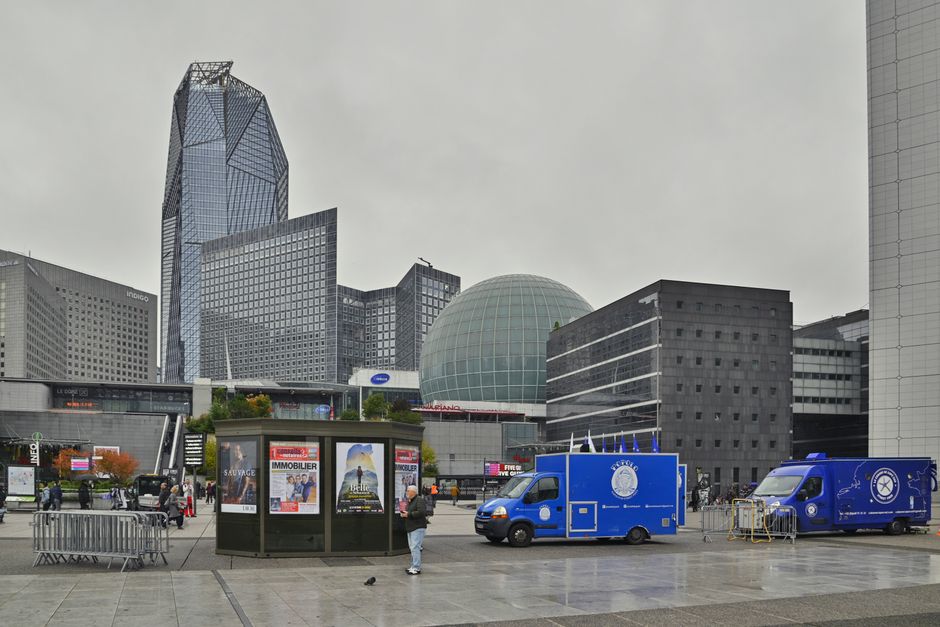
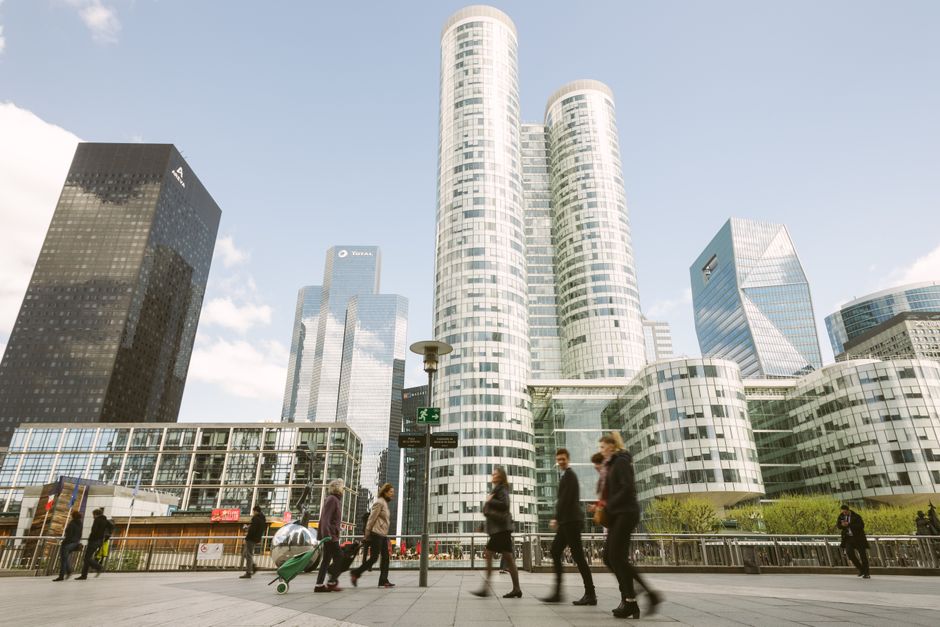
The mathematics of Parisian life have shifted dramatically. A two-bedroom apartment in the 11th arrondissement now commands €1,800 monthly, while a modest café au lait costs €3.50 on the Champs-Élysées. For businesses operating from glass towers along La Défense to intimate creative studios in the Marais, the arithmetic is becoming untenable for ordinary workers—and the talent market is responding with unexpected consequences.
"We're watching a bifurcation in our workforce," explains the hiring landscape across Paris's financial and tech sectors. Senior positions attracting premium salaries remain competitive, but mid-level roles—precisely where career momentum builds—are becoming harder to fill. A financial analyst position that once drew dozens of qualified candidates now sees applications dominated by either overqualified executives seeking stability or remote workers commuting from Chartres and Fontainebleau, where rent-to-income ratios remain manageable.
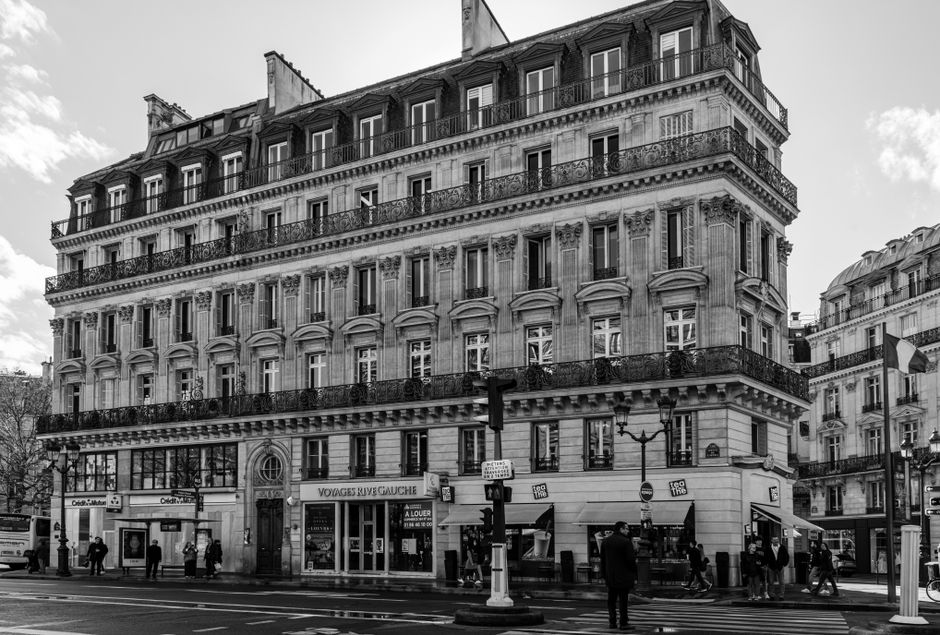
The impact radiates through neighbourhood employment patterns. Companies clustered around the Opéra district and République increasingly find themselves competing not just with London or Berlin, but with their own former employees now based 40 kilometres away. Recruitment agencies report that candidates are explicitly requesting remote flexibility or higher salaries—a shift absent from hiring conversations just three years ago. One senior recruiter noted that firms offering only hybrid models are seeing acceptance rates drop by 25 per cent compared to 2024 figures.
Real estate economics tell the deeper story. Average monthly expenses for a single person now exceed €1,600 across food, transport, and modest accommodation in liveable neighbourhoods. Yet median salary growth has barely kept pace with inflation, creating what labour economists call a "quality-of-life squeeze." Young professionals in their late twenties, once the backbone of Paris's startup ecosystem and financial services sector, are increasingly voting with their feet.
Paradoxically, this exodus has created opportunity for a different demographic: established remote workers earning salaries tied to international tech hubs or London financial markets, who can afford Paris precisely because they're being paid in stronger currency or higher market rates. They're remaking the cultural composition of popular working neighbourhoods—Belleville, Oberkampf, and increasingly the 13th arrondissement—creating a wealthier but less rooted professional class.
For Paris's economic future, the challenge is clear. If the city becomes a destination only for the exceptionally well-compensated, or requires a reverse commute from distant suburbs, it risks hollowing out the talent pipeline that fuels innovation and growth. Companies face a choice: pay more to stay competitive, embrace distributed teams, or accept that reshaping their Paris operations may mean reshaping whom they can hire.
This article was compiled by AI from the sources linked above and screened before publishing. See our editorial standards.