What Paris Residents Need to Know About Rising Food and Hospitality Costs This Summer
Labour shortages and supply chain pressures are reshaping menus and prices across the capital's beloved cafés, restaurants and shops.
Labour shortages and supply chain pressures are reshaping menus and prices across the capital's beloved cafés, restaurants and shops.
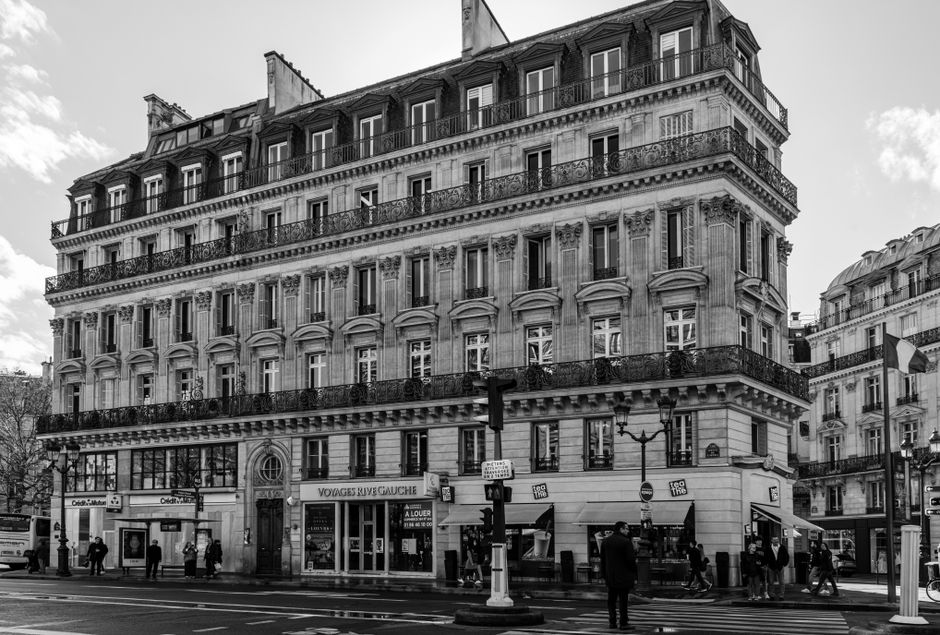
Paris's hospitality sector is undergoing a quiet but significant transformation this summer, and it's worth understanding what's happening behind the counter at your neighbourhood café or favourite bistro.
The confluence of labour shortages, elevated ingredient costs, and shifting consumer patterns is reshaping how restaurants and food retailers operate across the city. On the Left Bank, where competition among establishments has traditionally kept prices competitive, many venues are now reporting labour costs up 12-15% year-on-year—a figure that directly impacts what you'll pay for a coffee at a terrasse on Rue de Buci or a meal in the Latin Quarter.
The supply chain picture is equally important. Fresh produce prices remain volatile, with dairy products and imported goods experiencing particular pressure. This explains why some neighbourhood boulangeries and fromageries have quietly adjusted their pricing on specialty items, even as they maintain competitive rates on staple bread. A croissant that cost €1.40 two years ago now averages €1.65 across central Paris, though prices vary significantly by arrondissement and establishment type.
What residents should watch is the subtle menu evolution happening now. Rather than aggressive price hikes, many restaurants—particularly smaller family-run establishments in the Marais, Canal Saint-Martin, and Belleville—are adjusting portion sizes, rotating specials more frequently, and reducing menu breadth. This isn't necessarily bad for diners; it often means fresher ingredients and more intentional cooking. However, it does mean fewer choices and less predictability than before.
Retail food shops face their own pressures. Supermarket chains operating in dense Paris neighbourhoods are managing thin margins while competing with neighbourhood specialists. The result: certain grocery categories are seeing price competition intensify, while others—particularly prepared foods and premium items—are becoming increasingly expensive.
For everyday residents, the practical takeaway is this: transparent pricing and loyalty matter more than ever. Cafés and restaurants that communicate clearly about cost pressures tend to retain customers better than those that surprise with unexpected price jumps. Meanwhile, shopping patterns are shifting; locals increasingly favour neighbourhood specialists for staples while treating supermarkets as convenience stops rather than primary shopping destinations.
The sector isn't in crisis, but it is in transition. Understanding these pressures helps explain the menu changes, pricing adjustments, and occasional closures you'll notice across Paris over the coming months. It's simply market adjustment in real time.
This article was compiled by AI from the sources linked above and screened before publishing. See our editorial standards.
How does this story make you feel?
Spread the word
About this article
Published by The Daily Paris
Daily brief
Free, in your inbox before 7am. Weekdays.
More in Business