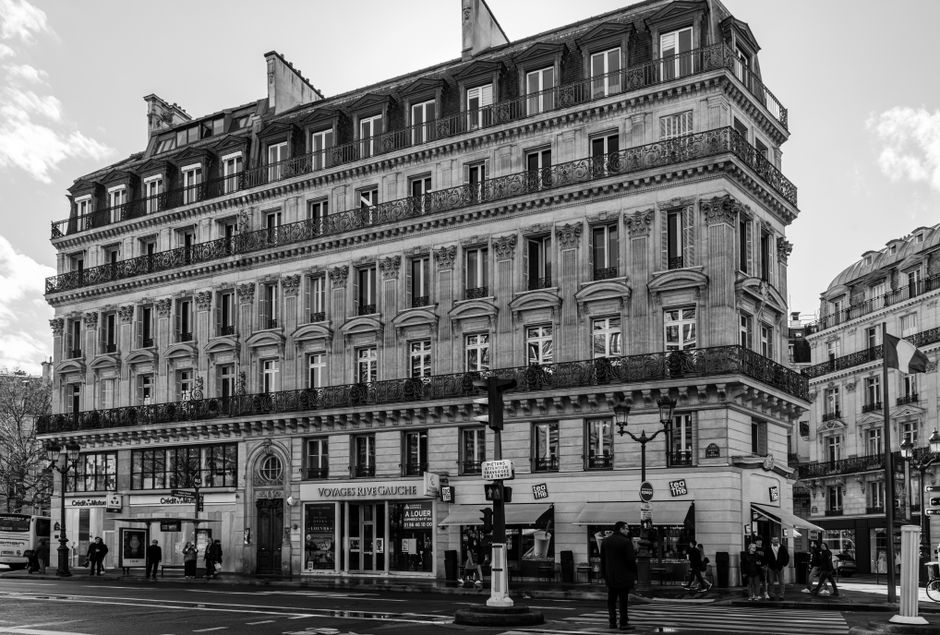
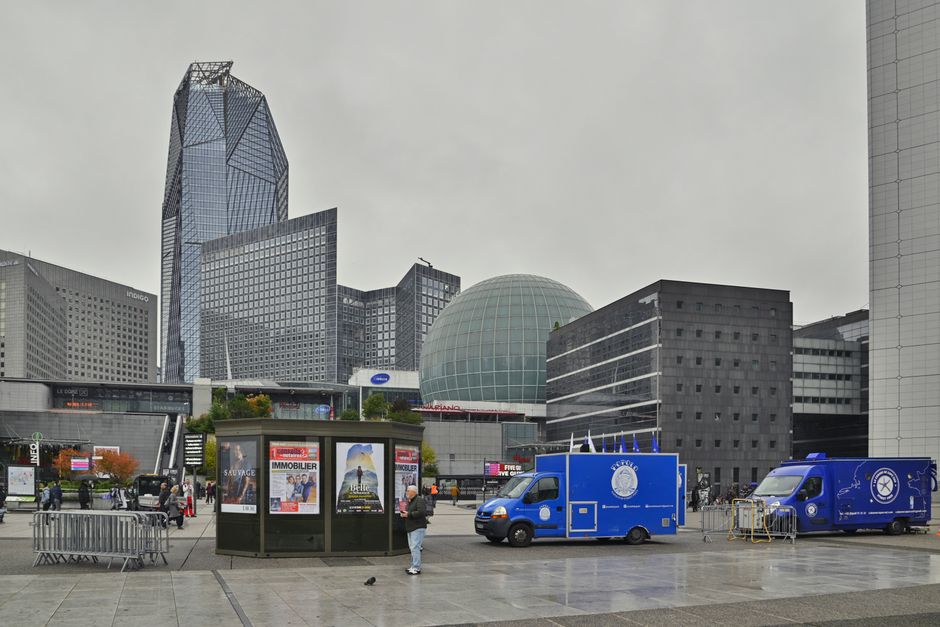
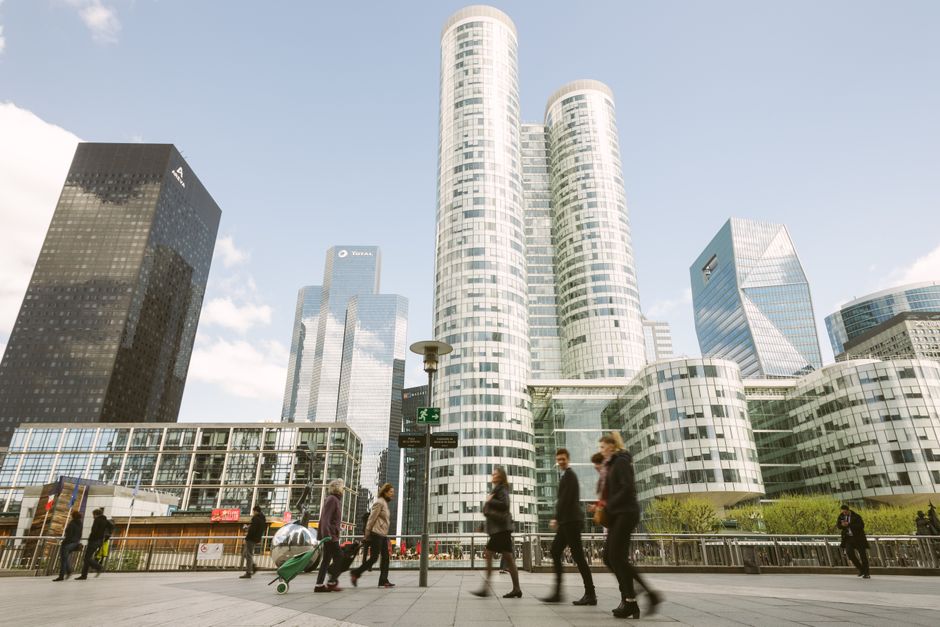
Paris is experiencing a tourism surge that few anticipated even two years ago. Last year, the city welcomed 28 million visitors—a 15% increase from pre-pandemic levels—and 2026 is tracking even higher. For residents grinding through morning commutes on Line 1 or hunting for affordable apartments in the 11th arrondissement, this boom feels less like good news and more like an existential threat to daily life.
The numbers tell a complicated story. Hotels across the Marais and Left Bank are operating at 92% occupancy rates, with nightly rates climbing 28% since 2023. Meanwhile, tourist-facing businesses—from the Sainte-Chapelle gift shops to restaurant terraces along the Seine—are reporting record revenues. The Chambre de Commerce et d'Industrie Paris Île-de-France estimates tourism now contributes €18 billion annually to the regional economy, supporting roughly one in twelve jobs.
But this prosperity masks deeper tensions. Long-term rental prices in central neighbourhoods have accelerated beyond inflation, with landlords increasingly converting residential units into Airbnb properties. The Île Saint-Louis, once a residential quarter, now hosts more tourist accommodation than permanent residents. Métro congestion during peak hours has worsened noticeably—commuters report standing-room-only conditions that weren't standard five years ago.
Small business owners face a paradox. A boulangerie on Rue de Rivoli may see daily foot traffic triple during summer, yet rising commercial rents (up 22% across central districts since 2022) eat into margins. Independent shopkeepers increasingly can't compete with multinational chains that absorb higher costs more easily. The character of neighbourhoods is visibly shifting as local pharmacies and family-run cafés yield to international brands.
For everyday residents, the practical impact is immediate. A croissant and coffee that cost €4.50 in 2020 now runs €7.20. Public services—libraries, municipal pools, parks—face capacity strain from both tourists and locals seeking refuge from crowded streets. Emergency services report response time increases in heavily touristed areas like the 1st and 5th arrondissements.
The critical question Paris must answer: can the city capture tourism's economic benefits while preserving livability for those who call it home? City Hall has proposed new regulations on short-term rentals and increased taxes on luxury hotels, but implementation remains slow. Without decisive action, Paris risks becoming a city primarily designed for visitors rather than residents—a golden cage that generates wealth while eroding the very character that makes it worth visiting.
This article was compiled by AI from the sources linked above and screened before publishing. See our editorial standards.