Paris's Financial Sector Faces Perfect Storm of Headwinds in 2026
Rising costs, geopolitical tensions, and regulatory pressures are testing the resilience of France's investment landscape just as opportunities appear to narrow.
Rising costs, geopolitical tensions, and regulatory pressures are testing the resilience of France's investment landscape just as opportunities appear to narrow.
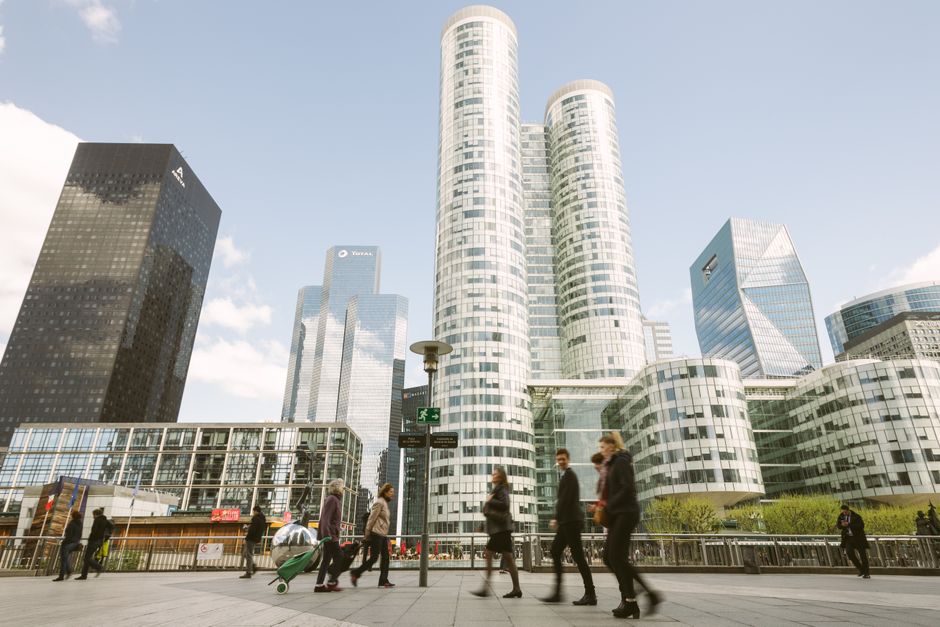
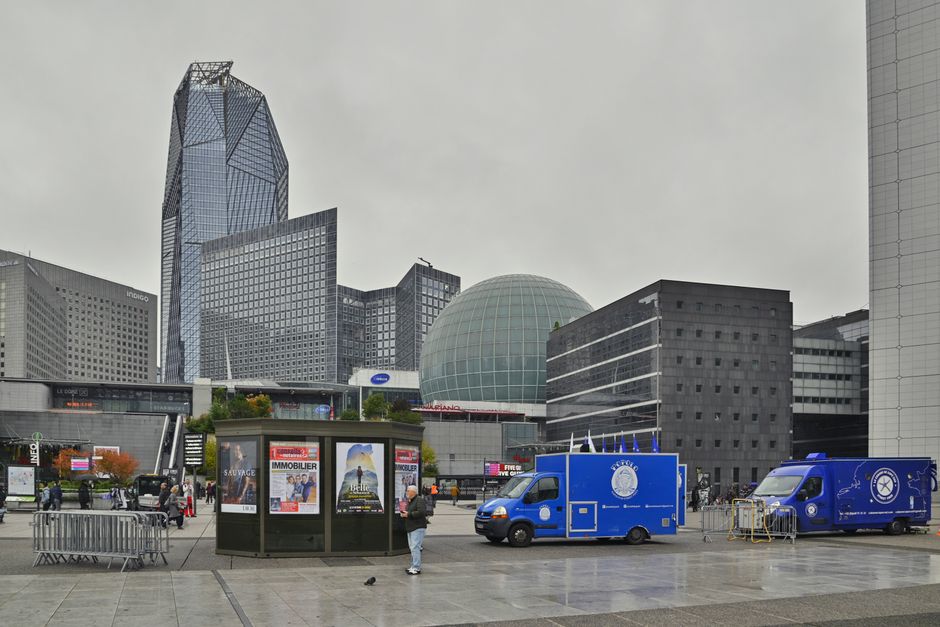
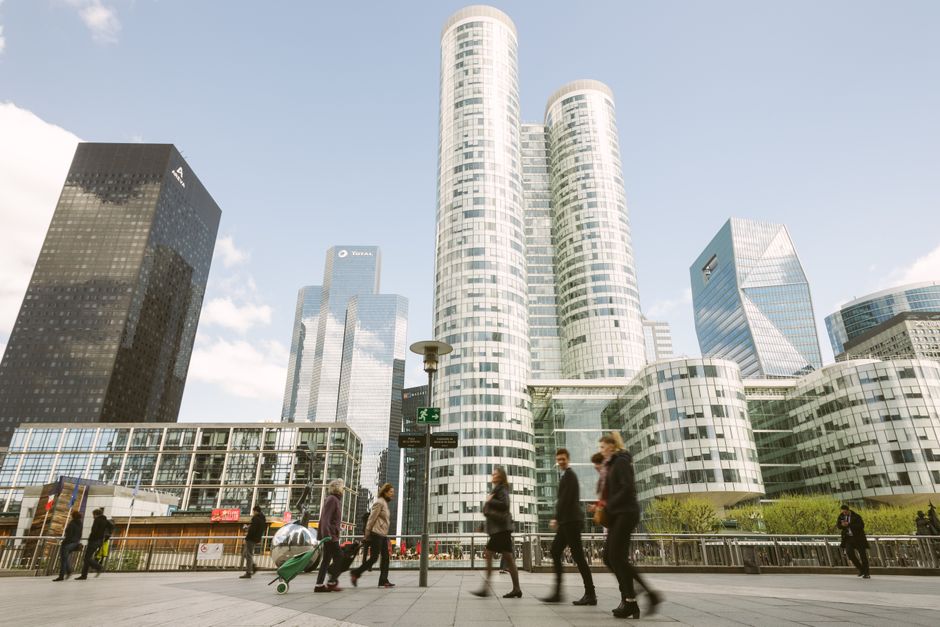
Paris's gleaming financial district in La Défense is facing its toughest year in nearly a decade. The combination of persistent inflation, international instability, and mounting regulatory costs is creating unprecedented pressure on investment firms and institutional capital managers across the Île-de-France region.
Office rental costs in La Défense have climbed to €650 per square metre annually—a 12 percent increase since 2024—while top-tier talent now commands salaries 18 percent higher than two years ago. For mid-sized investment boutiques along Rue Cambon and in the 8th arrondissement, these escalating overheads are squeezing margins at precisely the moment client portfolios are becoming more volatile.
The broader investment ecosystem faces compounding challenges. Geopolitical uncertainty rippling from Middle Eastern tensions and trade friction is making institutional investors increasingly cautious. Cross-border capital flows into European equities have contracted by nearly 14 percent year-to-date, with Paris-listed securities experiencing particular pressure as foreign investors reassess European exposure.
Regulatory compliance costs represent another significant drain. The European Union's updated MiFID II requirements, coupled with France's strengthened ESG reporting mandates, now consume roughly 15 percent of operational budgets for asset management firms. Smaller players operating from offices in the Marais or République neighbourhoods lack the economies of scale to absorb these expenses, forcing consolidation discussions that have accelerated throughout the first half of 2026.
Real estate investment, traditionally a Paris wealth-management cornerstone, has stalled. Property prices in sought-after neighbourhoods like the 6th and 7th arrondissements have plateaued, while rental yields have compressed to historically weak levels, making traditional diversification strategies less compelling for high-net-worth clients.
Banking sector margins have also deteriorated. Interest rate volatility and the European Central Bank's cautious policy stance have reduced the lending spreads that underwrote profitability. Several smaller private banks operating from offices near Place Vendôme have announced staff reductions or strategic retreats from certain market segments.
Industry observers note that while Paris retains advantages—particularly its regulatory clarity and access to European institutional capital—the window for growth is narrowing. Investment conferences at venues like the Palais Omnisports de Paris-Bercy are drawing fewer participants this year, and dealflow metrics suggest investor caution will persist through 2026's second half. Firms that can absorb higher costs while maintaining service quality will consolidate market share, but the broader sector faces a prolonged period of margin compression and competitive intensity.
This article was compiled by AI from the sources linked above and screened before publishing. See our editorial standards.
How does this story make you feel?
Spread the word
About this article
Published by The Daily Paris
Daily brief
Free, in your inbox before 7am. Weekdays.
More in Business