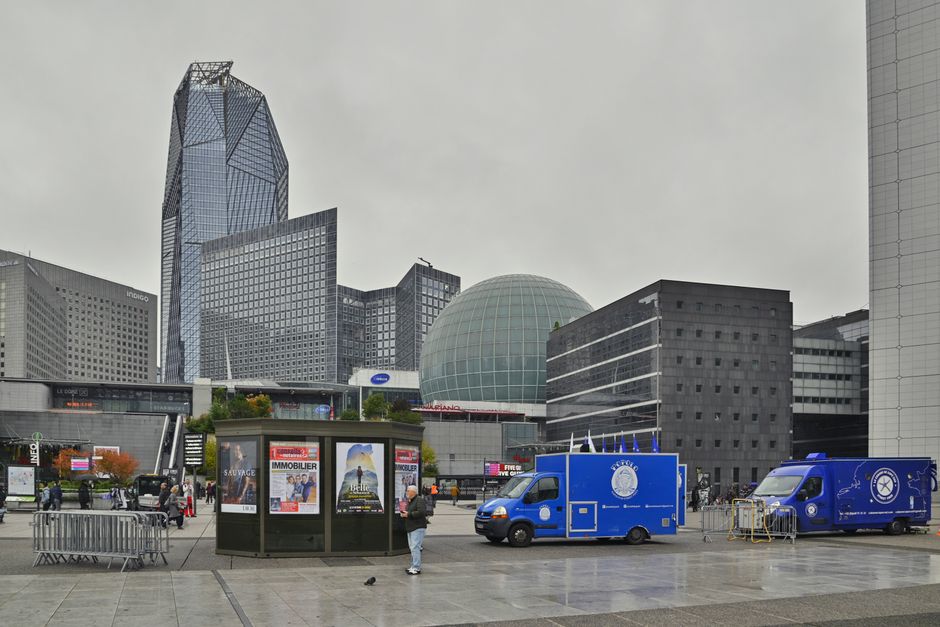
Walk through La Défense on any weekday morning, and you'll notice something striking: recruitment banners for supply chain specialists, logistics coordinators, and international compliance officers now rival the usual finance sector advertisements. This shift reflects a broader realignment in global trade patterns that is fundamentally reshaping Paris's employment landscape.
Over the past eighteen months, companies have increasingly moved away from distant manufacturing hubs, seeking proximity to European markets and greater operational control. This "nearshoring" trend has transformed Paris's business recruitment scene. Major logistics firms and trading houses clustered around Rue de Rivoli and the 8th arrondissement are actively competing for talent, with entry-level supply chain positions now commanding salaries around €32,000 to €38,000 annually—a 15 per cent increase compared to 2024.
"We're seeing talent gaps across import-export compliance and international procurement," explains the employment sector analysis from recent Chamber of Commerce Paris reports. Engineering graduates and business school alumni are increasingly pursuing these roles instead of traditional banking positions, a reversal of hiring patterns from the previous decade.
The change is most visible among Paris's professional services cluster. Firms specializing in customs brokerage, trade documentation, and logistics optimization have expanded their Saint-Germain and Marais offices significantly. Recruitment agencies report unprecedented demand for bilingual professionals fluent in English and Mandarin, reflecting renewed European interest in negotiating directly with Asian suppliers rather than relying on intermediaries.
However, the trend creates winners and losers across different sectors. While trade finance and logistics thrive, some traditional banking roles have migrated to lower-cost EU cities. Paris's unemployment rate in the business services sector remains competitive, but the composition of available jobs has shifted markedly toward operational and technical roles rather than client-facing advisory positions.
Educational institutions are responding. Sciences Po and HEC Paris have expanded their supply chain management and international commerce programs, recognizing employer demand. Internship placements in trade-related fields have grown 40 per cent since 2024, according to faculty placement data.
The ripple effects extend beyond salaries and hiring. Commercial real estate in La Défense is experiencing renewed pressure as logistics-heavy companies require office space for expanded teams. Premium office space in the district now commands €550 to €650 per square meter annually, up from €480 in early 2025.
For Paris's broader economy, this reorientation toward international trade infrastructure represents both opportunity and adjustment. The city's historical role as a commercial hub is resurging, but only for professionals equipped with the right technical skills and global perspective. The talent market, it seems, is voting with its feet.
This article was compiled by AI from the sources linked above and screened before publishing. See our editorial standards.