Paris's startup ecosystem is entering a critical recalibration phase. After years of explosive growth centered around the Marais and République neighbourhoods, the geography of innovation is fragmenting—and founders need to adjust their playbooks accordingly.
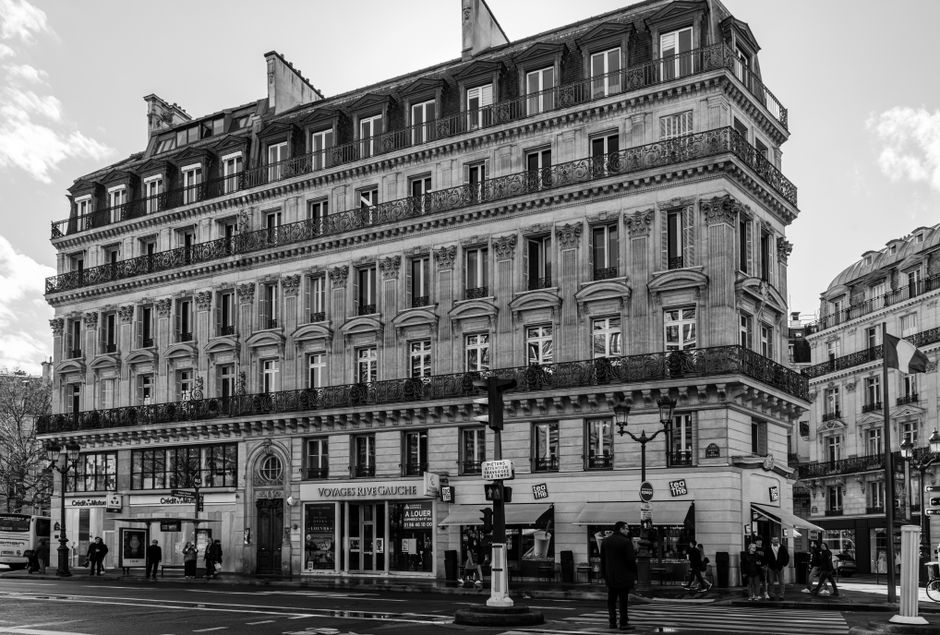
The numbers tell the story. Average office space in the 3rd arrondissement now commands €35 per square metre monthly, up nearly 28 percent since 2023. This has triggered a visible migration. Station F, the world's largest startup campus on Boulevard Vincent Auriol, reports its waiting list has grown to over 800 companies, while secondary hubs in the 13th arrondissement and along the Seine's left bank are seeing accelerated leasing activity. The message is clear: prime real estate in central Paris is increasingly unaffordable for early-stage ventures.
Talent acquisition presents the second challenge. Tech salaries in Paris have climbed sharply, with mid-level engineers now commanding €55,000–€75,000 annually, trailing Berlin but matching London. Simultaneously, visa reforms have tightened recruitment from outside the EU. Several growth-stage companies in the SaaS and fintech sectors report losing candidates to remote-first opportunities with London-headquartered firms.
Yet opportunity remains. Venture funding through the first half of 2026 totals €1.2 billion across French startups, maintaining pace with 2025. The government's French Tech visa scheme continues attracting international founders, and corporates—particularly in luxury, banking, and energy—are deepening innovation partnerships. LVMH's expanded digital innovation labs on Rue Saint-Honoré, and BNP Paribas's venture investments signal sustained appetite for collaboration.
Strategic implications for founders: location flexibility is now a competitive advantage. Companies expanding beyond single-office models—using co-working spaces in Belleville or Montsouris rather than committing to exclusive leases—are managing costs more dynamically. Similarly, founders building distributed teams, even partially, are accessing deeper talent pools without bearing Paris's full salary premium.
For investors, the consolidation story matters. As capital becomes more selective, winners will likely cluster around established networks in the Marais while scrappier ventures find traction in cheaper neighbourhoods. The cost-of-doing-business math has fundamentally shifted.
Paris remains Europe's second-largest startup hub by funding volume. But the era of unlimited runway and central-district real estate abundance has ended. The summer months ahead will show whether the ecosystem can adapt—or whether some ambitions migrate elsewhere.
This article was compiled by AI from the sources linked above and screened before publishing. See our editorial standards.