Paris Hotels Tourism Recovery 2025: Occupancy Boom
Paris tourism surges 12% above forecast. Hotels in Marais and Saint-Germain report 78%+ occupancy. Find where visitors are booking and what rates mean for travelers.
Paris tourism surges 12% above forecast. Hotels in Marais and Saint-Germain report 78%+ occupancy. Find where visitors are booking and what rates mean for travelers.
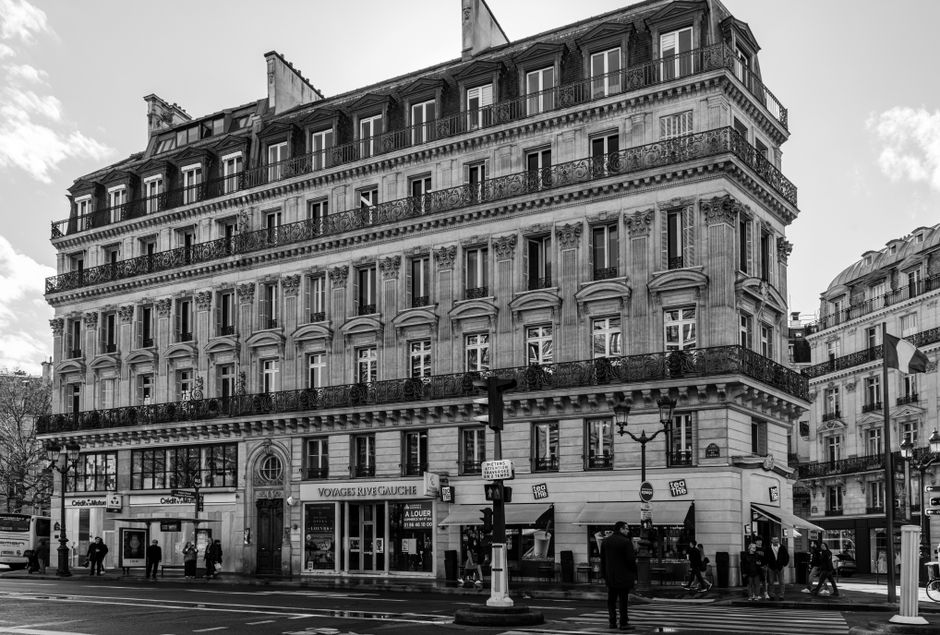
Paris's visitor economy is staging a remarkable comeback. After a turbulent eighteen months marked by geopolitical uncertainty and regional instability, international arrivals to the French capital are outpacing pre-2025 forecasts by roughly 12 percent, according to preliminary data from the Paris Convention and Visitors Bureau. The surge is creating tangible opportunities for entrepreneurs, established hospitality groups, and cultural institutions willing to adapt quickly.
The numbers tell a compelling story. Hotels across the Marais and Saint-Germain-des-Prés are reporting occupancy rates above 78 percent—levels not sustained since 2019. Room rates in the 4-star segment have climbed to an average €285 per night, up from €220 a year ago. Mid-range properties along rue de Rivoli and in the 11th arrondissement are equally buoyant, with boutique operators reporting their strongest June in a decade.
Early beneficiaries fall into distinct categories. Luxury hospitality groups with established brands—particularly those operating properties in the Champs-Élysées corridor and near the Louvre—have capitalized on wealthy visitors from North America and Asia returning with confidence. But smaller operators are thriving too. Independent hotels and guesthouses in less-saturated neighbourhoods like Belleville and the Canal Saint-Martin are seeing surge pricing for the first time, with owners reporting 85 percent occupancy and attracting younger, digitally-savvy travellers who bypass traditional booking channels.
Cultural attractions are equally positioned to gain. The Musée d'Orsay, Sainte-Chapelle, and the Picasso Museum are operating near capacity during peak hours, prompting conversations about dynamic ticketing and time-slot management. Meanwhile, smaller independent galleries and performance venues along avenue de Ménilmontant are experimenting with evening events and after-hours experiences to capture spillover demand.
Food and beverage operators face less clear-cut advantages. While Michelin-starred establishments maintain their cachet and waitlists, mid-range bistros—the traditional backbone of Paris dining—report mixed results. Those investing in outdoor seating and leveraging Île de la Cité foot traffic are outperforming peers in quieter locations.
Transport operators, including RATP and independent tour companies, are among the most obvious winners. Coach operators managing circuits through Versailles and Fontainebleau report bookings 20 percent ahead of forecast. Airport shuttle services and luxury car services serving the Golden Triangle are operating at full capacity.
Industry observers caution, however, that this momentum may not persist indefinitely. Currency fluctuations, broader economic headwinds, and the 2028 presidential cycle could reshape travel patterns. For now, though, Paris's hospitality sector is experiencing a rare gift: unexpected demand growth. Those capitalizing on it earliest—particularly boutique operators and niche cultural venues—stand to build genuine competitive advantages before larger players fully adjust.
This article was compiled by AI from the sources linked above and screened before publishing. See our editorial standards.
How does this story make you feel?
Spread the word
About this article
Published by The Daily Paris
Daily brief
Free, in your inbox before 7am. Weekdays.
More in Business