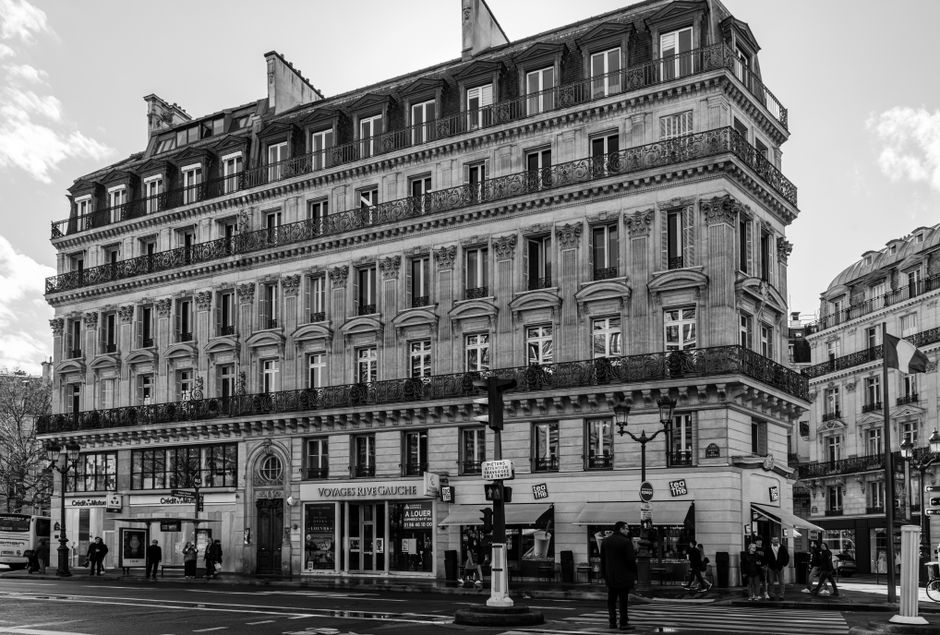
The boardrooms of Paris's most prestigious financial addresses are buzzing with a single concern: how to navigate a world where geopolitical shocks have become the new normal. From investment firms clustered around Place Vendôme to tech startups huddled in the converted warehouses of the 11th arrondissement, business leaders are grappling with the reality that global uncertainty directly translates to local pain.
Recent months have demonstrated this starkly. Currency fluctuations tied to Middle East tensions have made dollar-denominated imports costlier for French manufacturers. A boutique leather goods producer based in the Sentier, traditionally reliant on Iranian clients, watched those relationships evaporate overnight. Meanwhile, the euro has remained under pressure as investors flee to safer assets, making Paris-based companies' foreign earnings less valuable when converted back to euros.
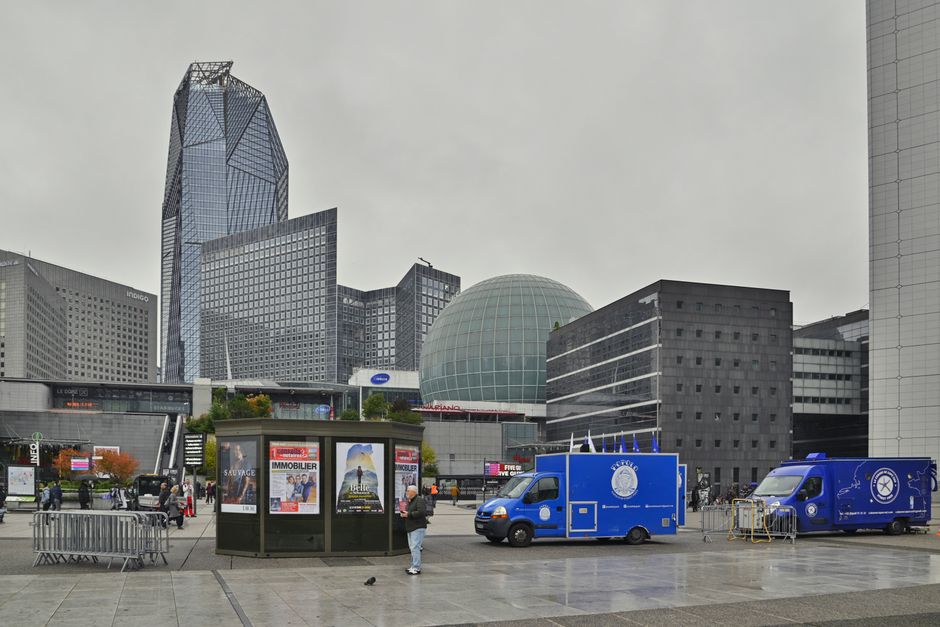
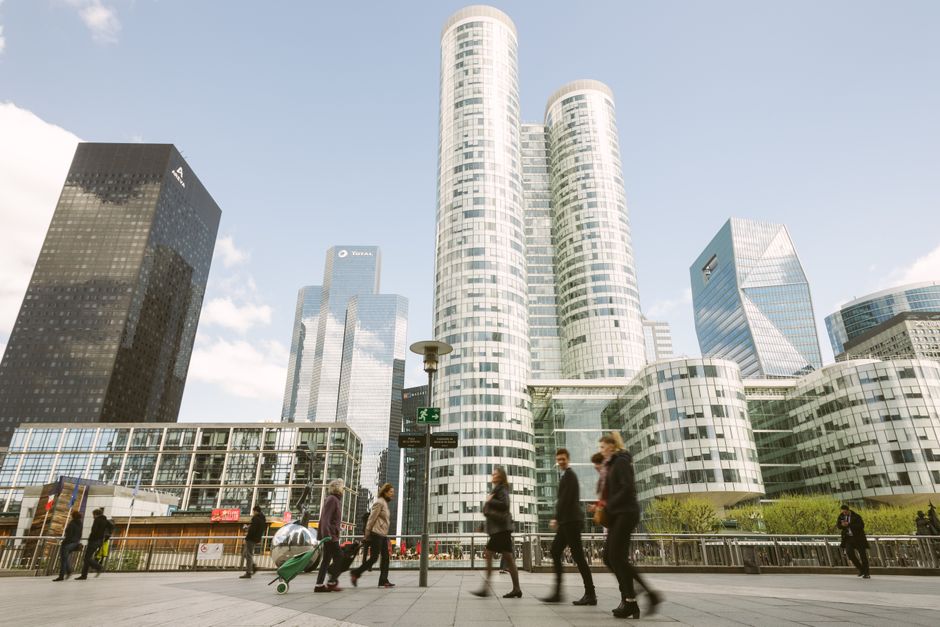
The impact cascades through everyday business operations. Commercial rents in La Défense, Paris's financial hub, remain elevated at €600-€800 per square metre annually, a burden compounded when revenue streams become unpredictable. Café owners along Boulevard Saint-Germain report that reduced tourist footfall from volatile travel markets has squeezed margins already pressured by energy costs. A croissant that cost €1.20 two years ago now nudges €1.50 in many left-bank venues.
Yet the instability has also created opportunities. Investment firms managing emerging market portfolios have found renewed demand from Paris-based wealth managers seeking diversification away from traditional Western markets. The private banking sector, concentrated around Rue de Rivoli and the 8th arrondissement, is experiencing unexpected interest in alternative assets.
For venture capitalists backing green technology startups in Station F and other innovation hubs, global supply chain disruption has ironically accelerated investment in local resilience-focused businesses. Companies solving Paris's energy independence and circular economy challenges are attracting capital that might previously have flowed elsewhere.
The French Chamber of Commerce and Industry has noted that businesses maintaining strong cash reserves have weathered recent volatility better than those relying on credit lines. Prudence, it seems, has returned to Parisian business culture.
The broader lesson is unavoidable: Paris's economy, for all its local character and institutional depth, cannot insulate itself from global forces. Smart entrepreneurs are no longer asking whether geopolitical events will affect them, but rather how quickly they can adapt.
This article was compiled by AI from the sources linked above and screened before publishing. See our editorial standards.