Paris's cost-of-living squeeze has reached a tipping point. Studio apartments in the 11th arrondissement now routinely command €750 monthly, while a modest one-bedroom in the Marais pushes €1,200. Yet beneath the gloom of unaffordable conventional housing, a parallel market is emerging—and early movers are reaping substantial returns.
Co-living operators have discovered a lucrative sweet spot. Companies managing shared residential spaces across neighbourhoods like Belleville and République are reporting occupancy rates above 95%, with residents willing to pay €550–€650 per month for a private room within professionally managed houses. The appeal is obvious: younger workers priced out of traditional rentals gain community, flexibility, and cost relief. Operators gain predictable income streams and minimal vacancy risk.
Data from the Chambre des Notaires de Paris reveals that investment in residential conversion projects outside the central arrondissements has surged 34% year-on-year. Properties in Vitry-sur-Seine and Ivry-sur-Seine—historically overlooked by capital investors—are being acquired and subdivided into micro-units or repurposed into co-living hubs. A converted townhouse in Ivry purchased for €380,000 two years ago now generates €4,800 monthly revenue through eight individual lettings.
Institutional investors have noticed. Pension funds and real estate trusts are quietly funding these conversions, betting that Paris's housing shortage will sustain premium yields on affordable stock. One Luxembourg-registered fund already manages fourteen properties across the eastern suburbs, targeting an 8% annual return.
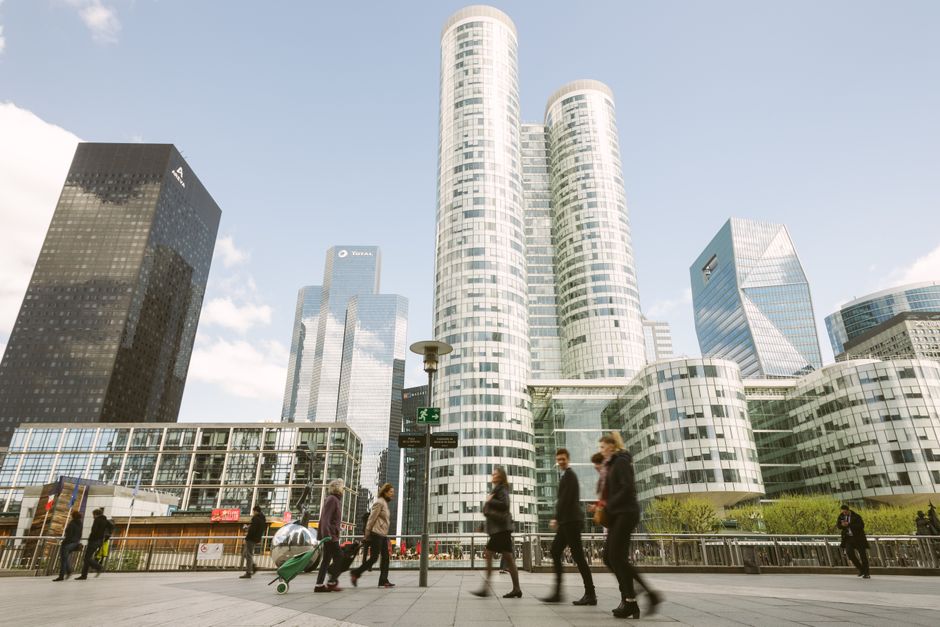
The social backdrop intensifies opportunity. With average wages flat while rents climb 5.2% annually, demand for alternative housing—whether co-living, micro-apartments, or furnished short-term lets—shows no signs of cooling. Young professionals in tech and finance, concentrated around La Défense and the emerging startup clusters in the 12th arrondissement, are particularly receptive.
However, the boom raises questions. City planners worry about gentrification and the erosion of traditional family housing. Community leaders in neighbourhoods like Belleville express frustration that investment flows toward investor-friendly models rather than municipal social housing. Meanwhile, conventional landlords charging market rates find themselves squeezed by co-living's competitive pricing.
For now, the window for early investors remains open. Second-wave operators are still acquiring properties below peak valuations, especially in transit-connected zones between the périphérique and inner suburbs. By 2028, however, market saturation and tighter regulations may compress margins significantly.
The Paris housing crisis, it seems, is someone's investment thesis—and the winners are already identifiable.
This article was compiled by AI from the sources linked above and screened before publishing. See our editorial standards.