Paris Job Market Signals Mixed Recovery: What Economic Indicators Really Tell Employers
Fresh data on hiring patterns, wage growth, and capital flows reveal a Paris labour market caught between tech optimism and structural caution.
Fresh data on hiring patterns, wage growth, and capital flows reveal a Paris labour market caught between tech optimism and structural caution.
Paris's employment landscape is sending contradictory signals to investors and job seekers alike, with economic indicators painting a picture of selective growth rather than broad recovery. As of mid-2026, the Île-de-France region has added roughly 47,000 net jobs over the past twelve months, yet beneath this headline figure lies a tale of deeply uneven investment flows.
The technology and digital services sectors continue to attract disproportionate capital. The expanding startup clusters around Station F in the 13th arrondissement and the emerging innovation hubs along the Seine's Left Bank have drawn approximately €2.3 billion in venture funding over the past eighteen months—a 23% increase year-on-year. Yet this concentration masks weakness elsewhere. Traditional manufacturing and mid-market office operations in outer arrondissements like the 15th and 20th are seeing stagnant hiring, with some companies relocating administrative functions to cheaper European alternatives.
Wage pressure offers another telling indicator. Entry-level tech roles in the Marais and République districts now command starting salaries of €35,000–€42,000, up from €31,000 three years ago. By contrast, retail and hospitality positions along the Champs-Élysées and near major transport hubs have seen wage growth stall at 1.2% annually—below inflation. This bifurcation explains why Paris's headline unemployment rate of 7.8% masks genuine hardship for workers without digital credentials.
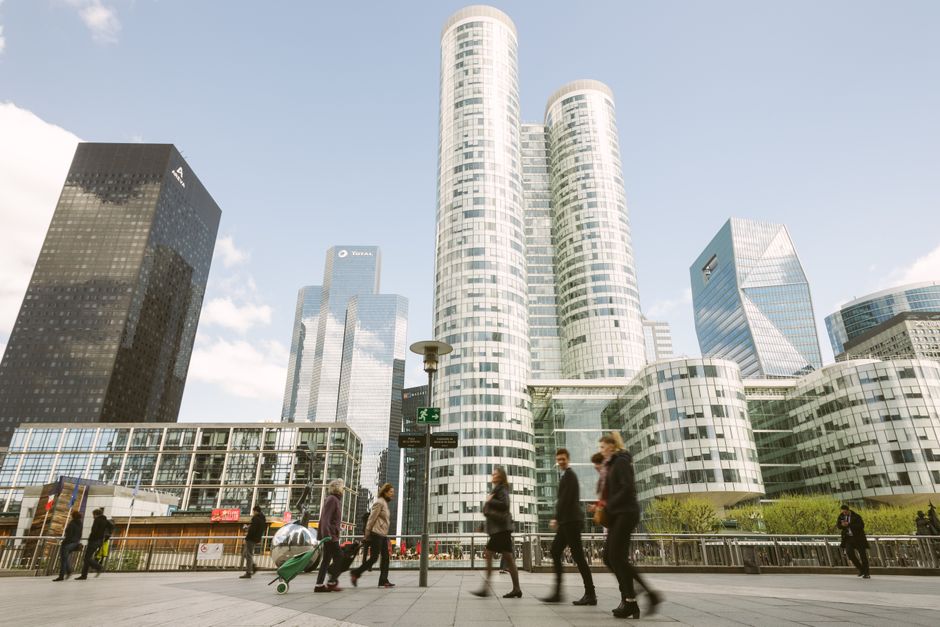
International investment flows present another complexity. American and Asian asset managers have increased their real estate commitments in Paris's business districts, particularly around La Défense, where commercial property yields have climbed to 4.1%—attractive by European standards. Yet this capital is driving up rents for smaller firms. A 600-square-metre office space in the 8th arrondissement now costs €480–€520 per square metre annually, pricing out mid-sized companies that historically anchored Paris's diverse employment base.
The Banque de France's latest business confidence index stands at 48 points—indicating caution rather than expansion. Hiring managers cite two chief concerns: uncertainty over labour regulations and competition for skilled workers from London and Berlin, where tech salaries have become more competitive despite Paris's quality-of-life advantages.
For policymakers and investors, the message is clear: Paris's economy is narrowing. Growth is real but concentrated. Without deliberate efforts to broaden capital flows beyond tech and property, the city risks creating a two-tier job market where digital professionals thrive while everyone else treads water.
This article was compiled by AI from the sources linked above and screened before publishing. See our editorial standards.
How does this story make you feel?
Spread the word
About this article
Published by The Daily Paris
Daily brief
Free, in your inbox before 7am. Weekdays.
More in Business