The cafés around Station F in the 13th arrondissement are buzzing with nervous energy these days. Founders nursing €5 espressos are no longer just debating burn rates and Series B valuations—they're now mapping geopolitical risk alongside their growth projections.
The current global climate, marked by escalating regional conflicts and the prospect of fresh diplomatic crises, is fundamentally reshaping how Paris's thriving startup ecosystem operates. For a city that has invested heavily in positioning itself as Europe's answer to Silicon Valley, the implications are immediate and concrete.
"We're seeing a bifurcation in venture capital deployment," explains Marc Besson, who has tracked Paris's innovation sector since the city committed €1 billion to startup infrastructure around 2017. "Investors are becoming increasingly cautious about companies with supply chain exposure in unstable regions, and that directly affects early-stage funding rounds."
The numbers tell the story. Venture funding to French startups reached €2.1 billion in 2025, down from €3.7 billion in 2022, according to France Invest data. While multiple factors contributed to this decline, investor concerns about geopolitical risk now rank in the top three, alongside rising interest rates and tighter exit opportunities.
The impact is particularly acute in the Marais and along Rue de Turenne, where deeptech and hardware startups cluster. Companies developing semiconductors, drone technology, or critical infrastructure software suddenly find themselves reassessing their international partnerships. One founder of a cybersecurity firm near Place de la République reported that her funding negotiations shifted dramatically when partners raised concerns about her team's reliance on talent recruitment from Eastern Europe.
Yet paradoxically, uncertainty is also creating opportunity. French entrepreneurs in defence technology, renewable energy infrastructure, and secure communications have found investors newly eager to back domestic alternatives to geopolitically exposed supply chains. The European Union's recent push for technological sovereignty has turbo-charged this trend.
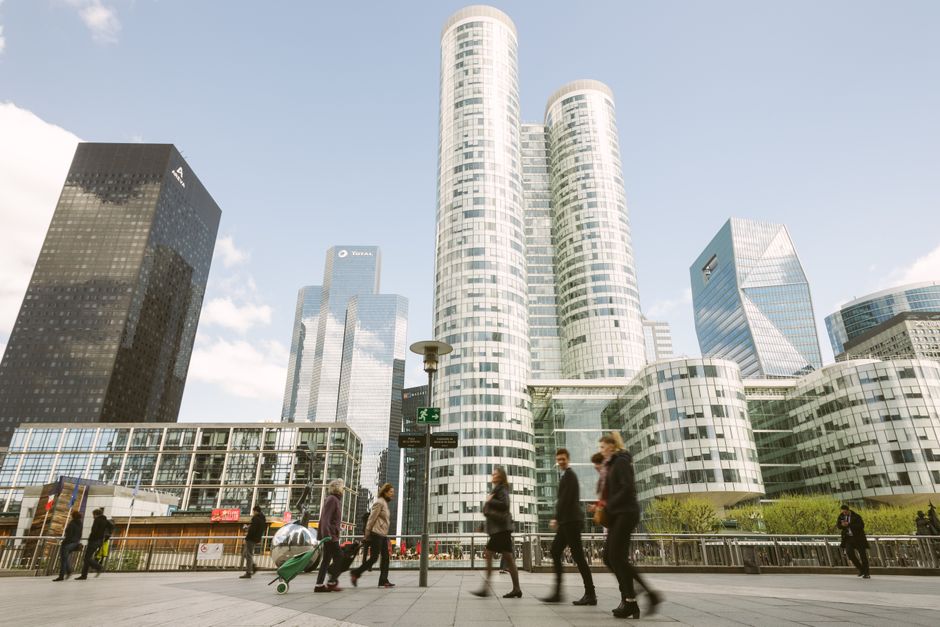
For the broader ecosystem—the coworking spaces in La Défense, the incubators around Saclay, the networking events at Station F—the challenge is maintaining momentum while adapting to a more fragmented global economy. Paris's greatest competitive advantage has always been its ability to bridge American innovation culture with European stability and regulation. That balance sheet now reads differently.
The real test comes next: whether Paris can retain its status as Europe's innovation capital when the global context that enabled its rise has fundamentally shifted.
This article was compiled by AI from the sources linked above and screened before publishing. See our editorial standards.