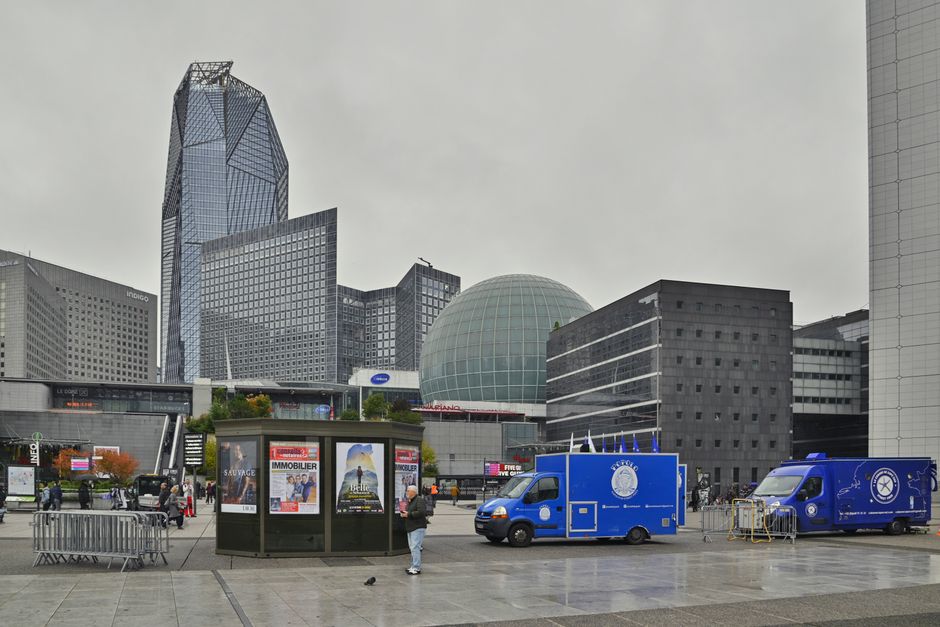
Paris's business district is experiencing a quiet but profound transformation. While headlines fixate on geopolitical tensions and trade uncertainties, human resources departments across La Défense are grappling with an urgent staffing challenge: finding qualified professionals who can navigate an increasingly fragmented global supply chain.
The shift began subtly over the past 18 months. Companies operating from gleaming towers along the Grande Arche—from automotive suppliers to pharmaceutical manufacturers—have started reshoring or "friendshoring" production and logistics operations. Some are establishing redundant supply networks across Southeast Asia, Eastern Europe, and North Africa. Others are moving strategic functions closer to European markets to reduce exposure to geopolitical shocks.
"We're seeing a 40 percent increase in job postings for supply chain and logistics roles across the Île-de-France region compared to two years ago," says a spokesperson for LinkedIn's Paris operations, reflecting broader recruitment patterns. Salaries for experienced logistics coordinators in the region have climbed from €38,000 to €48,000 annually—a significant jump that reflects genuine scarcity.
The ripple effects are visible in unexpected places. Recruitment agencies clustered around Rue du Faubourg Saint-Honoré report that compliance specialists and tariff specialists—roles that barely existed in local job markets five years ago—now command premium compensation. Language skills have become currency; German and Mandarin-speaking logistics professionals are particularly sought after.
Business schools are responding. HEC Paris and ESSEC have expanded their supply chain management and international business programs. The Chambre de Commerce et d'Industrie Île-de-France has launched specialized training modules in trade regulations and global sourcing strategy, reflecting client demand from member companies.
Yet challenges persist. Mid-career professionals retraining into these fields often struggle with technical certifications. Visa sponsorship for non-EU talent has become more complex and slower, frustrating companies seeking specialized expertise. A manufacturing executive in Montsouris noted that finding candidates with both technical supply chain knowledge and practical experience navigating multiple trade regimes remains genuinely difficult.
The transformation extends beyond traditional logistics. Digital platforms managing cross-border transactions, customs brokerages, and freight forwarding services are expanding headcount. Coworking spaces in the Marais and République have begun hosting niche consultancies focused entirely on helping mid-market companies adapt to new trade realities.
For Paris's talent market, the message is clear: companies aren't simply hiring more people—they're hiring differently. The premium now belongs to professionals who can think globally while executing locally, managing complexity across jurisdictions and supply networks that look fundamentally different from the integrated systems that dominated the 2010s.
This article was compiled by AI from the sources linked above and screened before publishing. See our editorial standards.