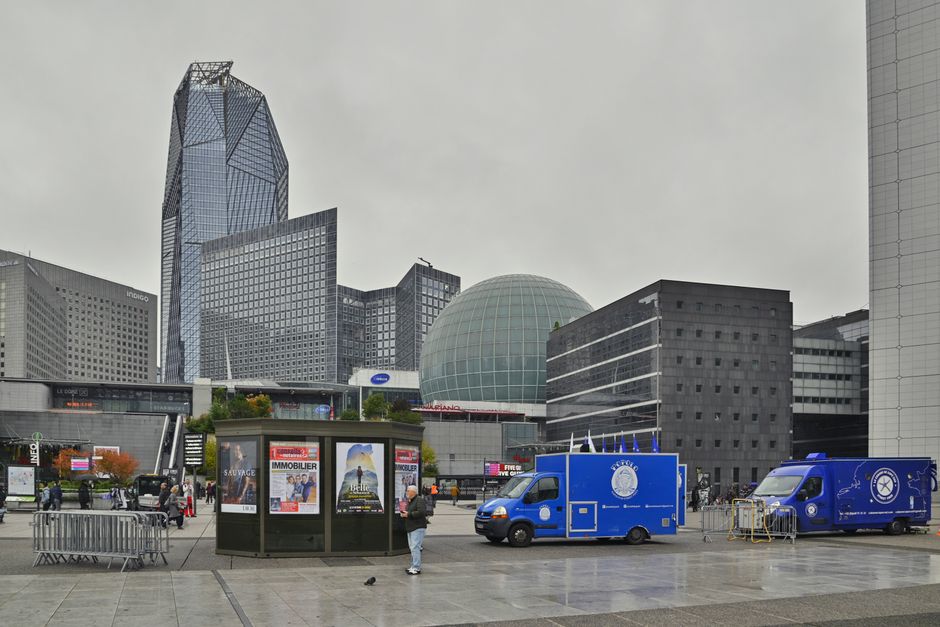
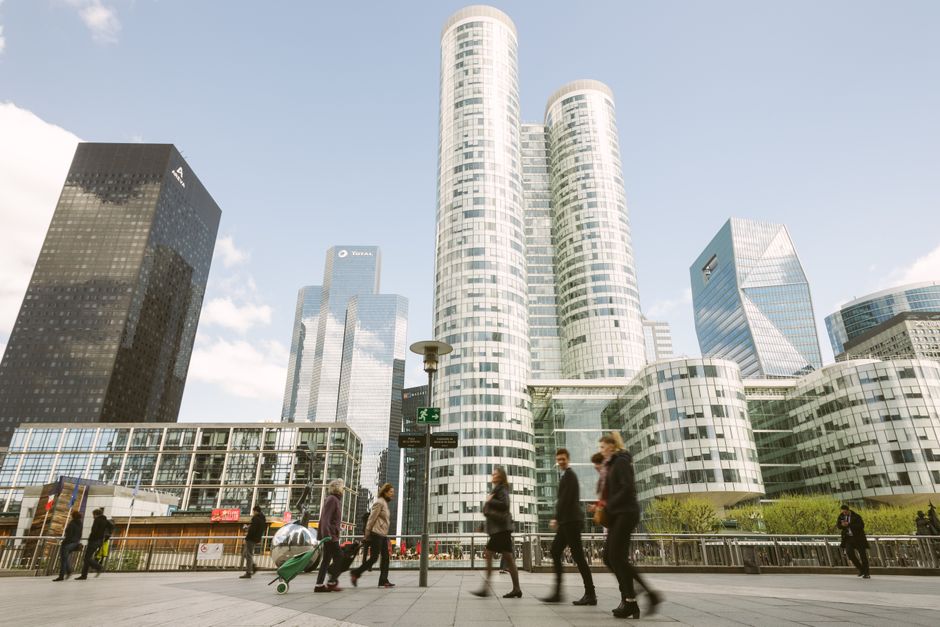
Paris's business district has always drawn international talent, but recruiters along the Avenue des Champs-Élysées and in La Défense's gleaming towers are now contending with an employment crisis shaped entirely by global events. The past six months have brought unprecedented workforce volatility, forcing major corporations to rethink hiring strategies in ways that would have seemed unthinkable two years ago.
The most visible shift appears in tech recruitment. Companies based in the 11th arrondissement's burgeoning startup scene report that American engineers, once eager to relocate to Paris for lifestyle reasons, are now hesitant to leave the US amid political uncertainty. Recruiter agencies around Rue de Rivoli report a 23% decline in applications from US-based talent seeking French positions compared to 2024. Simultaneously, Ukrainian engineers—a significant contingent in Paris's software development community—face renewed pressure as regional conflicts intensify, with some reconsidering long-term relocation plans.
The luxury sector, traditionally Paris's employment engine, confronts different pressures. Geopolitical tensions in the Middle East directly threaten clientele spending patterns. High-end boutiques on the Place Vendôme and along Rue Saint-Honoré report that tourism from Gulf states, which comprises roughly 18% of luxury retail employment demand, has become unpredictable. Retailers are quietly reducing permanent headcount and shifting to flexible staffing models—a reversal of pre-2024 expansion plans.
Meanwhile, financial services firms headquartered around Rue Cambon are actively recruiting compliance and sanctions specialists at salaries 15-20% above market rates. The combination of US-Iran tensions, DC mining policy shifts, and African governance crises means regulatory risk management has become a competitive hiring advantage.
Supply chain vulnerabilities are equally reshaping employment. Manufacturing-adjacent services roles in the 15th arrondissement are experiencing unexpected demand as companies nearshore operations previously based in conflict-adjacent regions. Logistics coordinators and procurement specialists now command premium compensation packages.
The hospitality sector tells perhaps the starkest story. Hotels near Gare du Nord and in the Marais report hiring freezes despite summer season typically demanding aggressive recruitment. Uncertainty around European travel patterns—influenced by everything from African disease outbreaks to Pakistani-Afghan tensions—has made forward booking unreliable.
Paris's legendary appeal as a business destination remains intact, but its job market is no longer insulated from global chaos. Employers are adapting by investing in flexibility, compliance expertise, and workforce agility rather than traditional permanent roles. For job seekers, this creates opportunity—but only for those whose skills directly address global instability itself.
This article was compiled by AI from the sources linked above and screened before publishing. See our editorial standards.