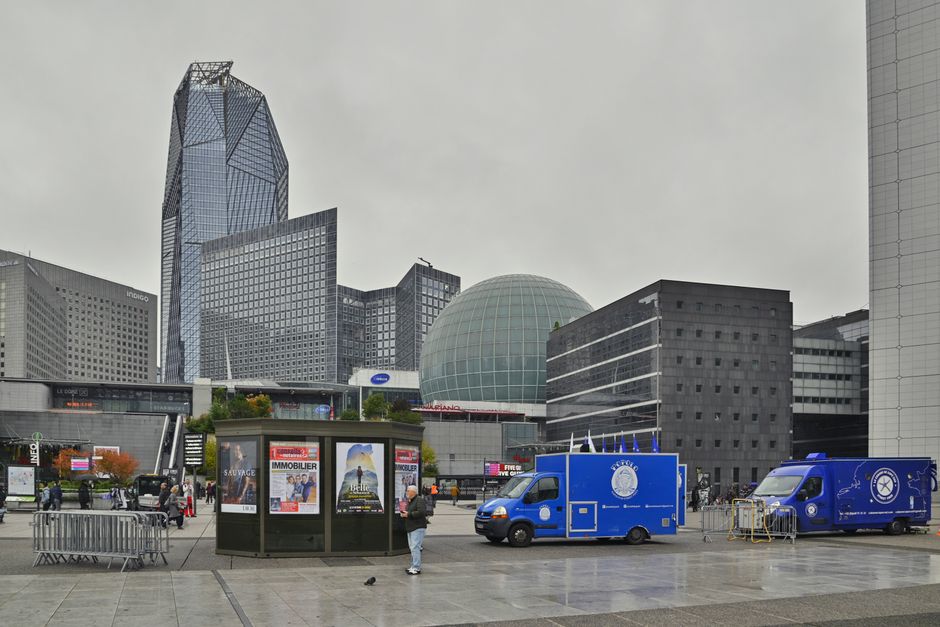
Three years ago, Chef Sophie Marchand operated a single food truck on the Place des Vosges, serving market-driven lunch boxes to office workers and tourists. Today, her restaurant collective spans four venues across the Marais and Latin Quarter, employing 47 staff members with an average tenure of 22 months—nearly double the Paris hospitality sector average of 12 months.
The expansion reflects a deliberate strategy that has gained particular significance as Paris's retail hospitality sector grapples with persistent challenges. Recent industry data shows that Paris restaurants face average wage costs 18% higher than 2019 levels, while customer footfall in the city's core dining districts has stabilised at 94% of pre-pandemic volumes. In this environment, Marchand's approach—emphasising direct supplier relationships, modest menu rotation, and staff profit-sharing—stands out.
Her flagship, Le Grenier du Marais, occupies a converted warehouse on Rue de Turenne, with a second location on Rue des Blancs-Manteaux focusing on weekend brunch service. Two smaller venues on Rue Mouffetard in the 5th arrondissement offer casual counter service. Combined, they generate approximately €2.8 million in annual revenue, according to industry estimates, with gross margins hovering around 62%—above the 55-58% sector norm.
What distinguishes her model is obsessive sourcing discipline. Marchand works with 23 verified local suppliers, from a cheese monger in Fontainebleau to an organic vegetable producer in Essonne. Menu items rotate monthly based on availability, reducing waste-related losses by an estimated 34% compared to peer establishments. She attributes this partly to staff accountability: kitchen staff receive 2% of monthly profits if waste falls below 8% of purchased goods.
Labour retention, she emphasises, remains the sector's central vulnerability. Paris hospitality currently experiences annual staff turnover exceeding 40%, creating recruitment costs and training inefficiencies. Marchand's venues offer salaries starting at €1,950 monthly—above the statutory minimum—plus healthcare contributions and flexible scheduling that appeals to the demographic she targets: primarily career-minded staff under 35 seeking stability rather than short-term income.
As Paris's food and retail sector navigates post-pandemic normalisation, with dining out accounting for 8.2% of household expenditure (up from 7.1% in 2023), entrepreneurs like Marchand demonstrate that profitability and employee wellbeing need not conflict. Her next venture, a food hall concept planned for the Belleville neighbourhood next spring, may offer further evidence that sustainable, locally-rooted models can outperform high-volume, high-turnover alternatives in a competitive market.
This article was compiled by AI from the sources linked above and screened before publishing. See our editorial standards.