Why Paris Office Upheaval Matters to Your Rent, Your Shops, and Your Neighbourhood
As commercial property transforms across the city, residents face higher living costs and changing streetscapes—here's what you need to know.
As commercial property transforms across the city, residents face higher living costs and changing streetscapes—here's what you need to know.
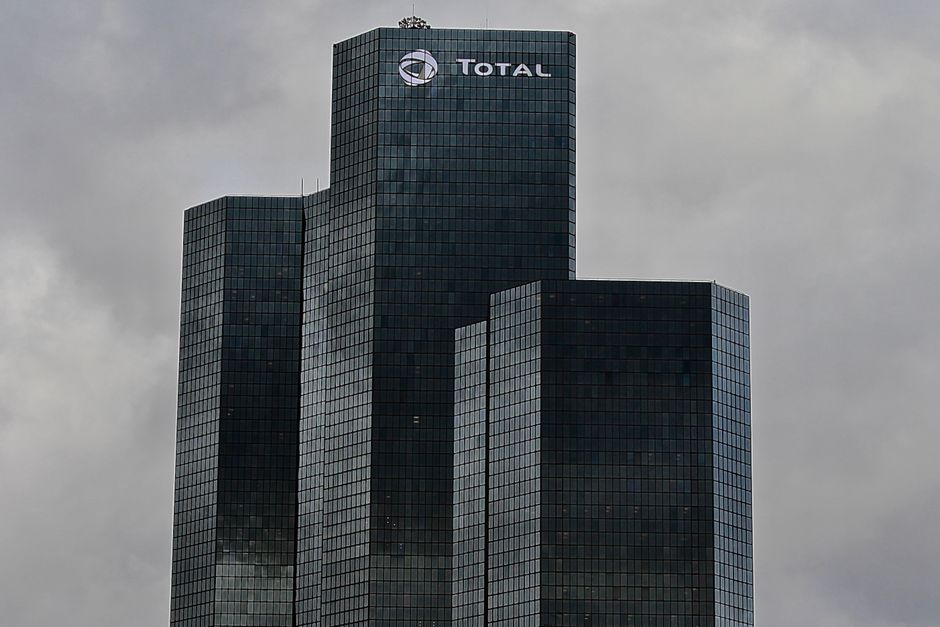
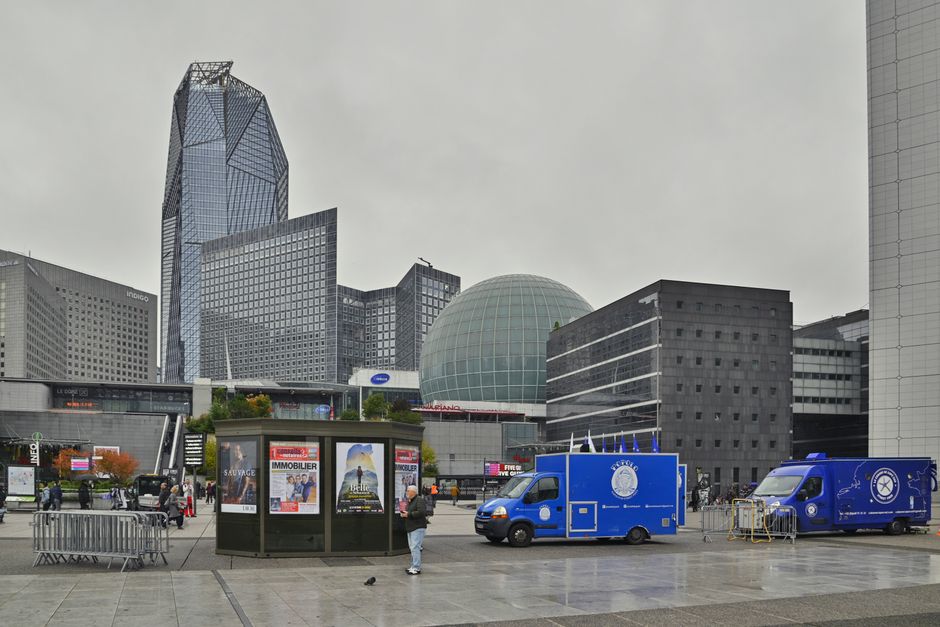
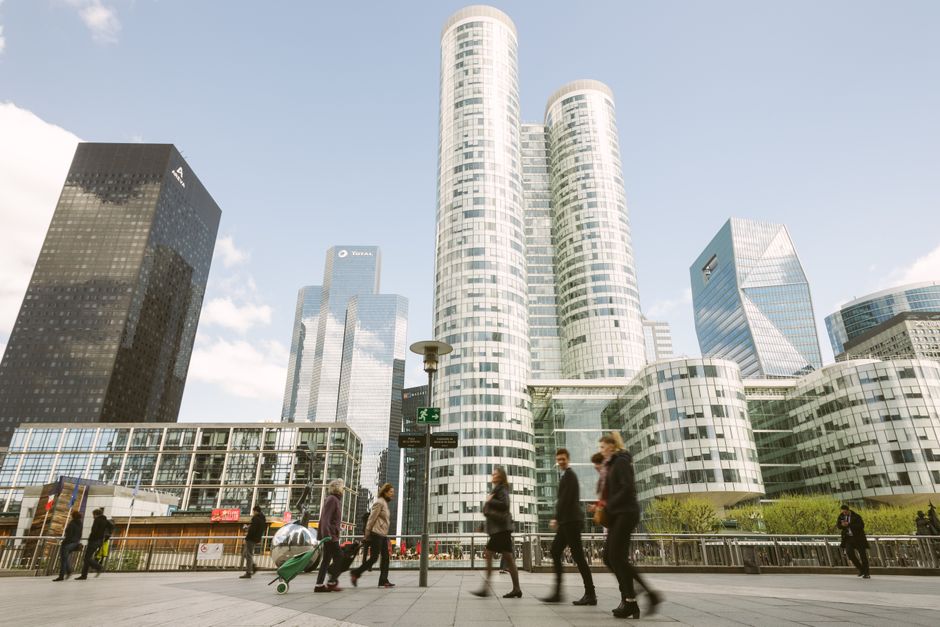
Paris's commercial property market is shifting dramatically, and the ripple effects are already touching everyday life across the capital. Whether you're renting an apartment in the 11th arrondissement or grabbing coffee on Rue de Rivoli, the office boom reshaping districts like La Défense and the Marais has real consequences for your wallet and neighbourhood.
The past two years have seen substantial redevelopment of office space, particularly in central zones where retail and residential sectors compete fiercely for the same real estate. In the Marais and near République, prime commercial properties that once housed small independent shops have been converted into modern office complexes, driving up rents for remaining businesses and changing the character of streets many Parisians have known for decades. Average commercial rents in the 3rd and 4th arrondissements have risen roughly 15-20 percent since 2024, according to local property analysts.
This matters directly to residents. When commercial landlords raise prices, independent bakers, bookshops, and neighbourhood bistros often close. Chains and corporate tenants move in instead. Your local high street gradually homogenises. Additionally, office conversions sometimes eliminate ground-floor retail entirely, meaning fewer gathering spaces and reduced footfall that once supported the vibrant street culture central to Paris life.
The residential market feels the pressure too. Property developers, spotting lucrative office demand, have redirected investment away from affordable housing. In neighbourhoods like Belleville and parts of the 13th arrondissement, once-affordable residential buildings are increasingly marketed as premium office conversions or mixed-use developments. Young families and long-term residents are finding it harder to afford stays.
However, not all trends are negative. Well-planned office redevelopment—particularly in overlooked areas along the Left Bank and towards Porte de la Chapelle—has brought jobs and infrastructure investment. Better transport links and new cafés have emerged alongside modern workplaces. The challenge lies in balance.
For everyday Parisians, staying informed about planning consultations and neighbourhood projects matters. Local mairies regularly publish development proposals; attending public enquiries gives residents a voice in shaping district futures. Understanding that office market dynamics directly affect your neighbourhood's composition, affordability, and character empowers you to participate in decisions that shape Paris's evolution. The city's commercial property story is ultimately your story too.
This article was compiled by AI from the sources linked above and screened before publishing. See our editorial standards.
How does this story make you feel?
Spread the word
About this article
Published by The Daily Paris
Daily brief
Free, in your inbox before 7am. Weekdays.
More in Business