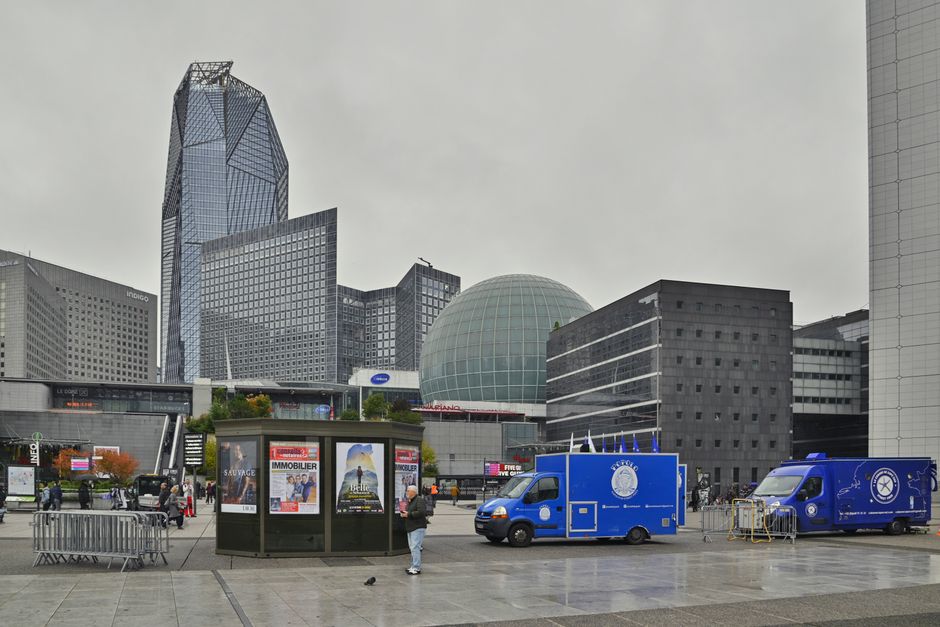
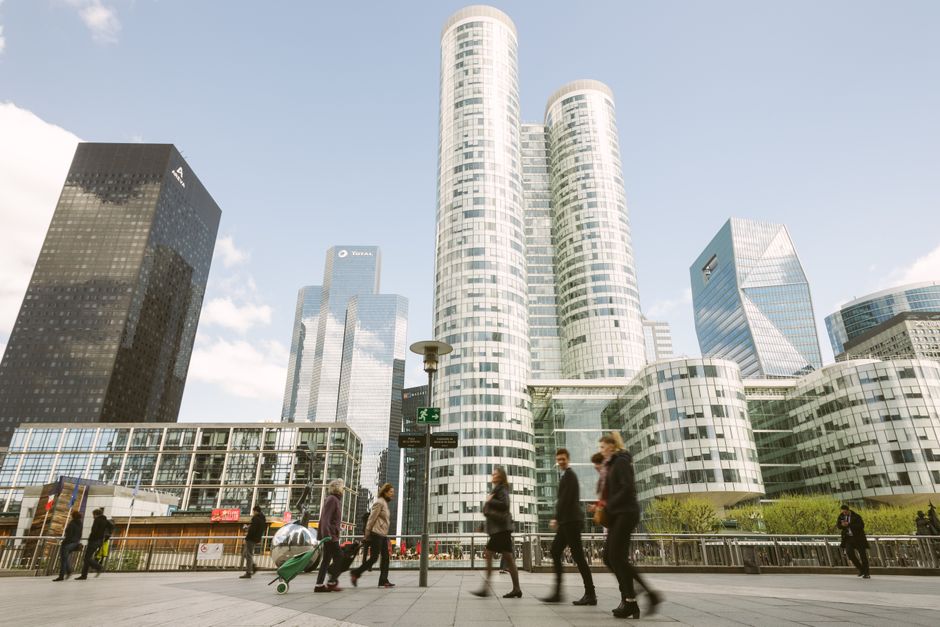
The trading floors of the Euronext Paris building on rue Cambon have grown quieter this year. Across the city's business districts—from La Défense's gleaming towers to the historic merchant quarters around rue Saint-Honoré—international trade professionals are grappling with a confluence of headwinds that many describe as the most challenging environment since 2020.
The numbers tell a sobering story. According to the Paris Chamber of Commerce and Industry, cross-border transactions involving French firms have declined 12 percent year-to-date compared to 2025, while insurance costs for international shipments have surged 28 percent. For export-dependent sectors, the pressure is acute. Luxury goods manufacturers, typically anchored in workshops around the Marais and along the Seine, report prolonged customs delays that are stretching delivery timelines by weeks.
Geopolitical fragmentation sits at the heart of the crisis. The escalating tensions across multiple regions—from the Middle East to Eastern Europe—have created what economists call "uncertainty premiums" that ripple through every transaction. Major shipping routes face renewed volatility. Insurance underwriters, many headquartered in the financial district near Place Vendôme, are recalibrating risk assessments almost monthly. Rates for covering goods transiting sensitive zones have become prohibitively expensive for smaller enterprises.
Protectionist policies compound the challenge. Trade barriers that seemed unthinkable five years ago are now routine policy. A business association representing mid-sized French exporters recently surveyed 340 member companies; 67 percent reported new tariff obstacles that erode already-thin margins. Manufacturing firms that depend on global supply chains are caught between competing pressures: pay premium shipping costs, absorb tariffs, or relocate production—a calculus with no winning option.
Supply chain fragmentation persists despite three years of post-pandemic restructuring. Companies that invested heavily in diversifying suppliers are now managing more complex logistics networks, each with its own vulnerabilities. The cost of maintaining backup suppliers has become a permanent line item in corporate budgets, reducing capital available for innovation and expansion.
Yet Paris remains a pivotal node in global commerce. The city hosts regional headquarters for dozens of multinational firms, and its reputation for legal stability and institutional reliability continues to attract business. Still, executives gathered recently at the Palais de la Découverte for a business forum spoke candidly about contingency planning—moving operations, reducing exposure to vulnerable markets, or consolidating into fewer, larger-scale operations.
The question facing Paris's business establishment is whether current headwinds represent cyclical turbulence or structural realignment. Either way, 2026 is shaping up as a pivotal year for recalibration.
This article was compiled by AI from the sources linked above and screened before publishing. See our editorial standards.