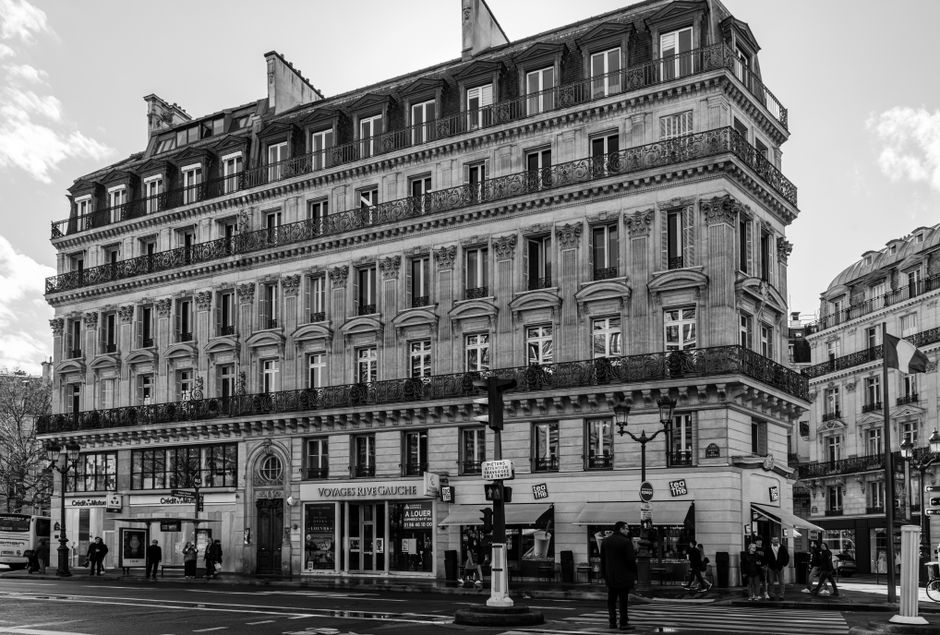
Walk down Rue de Rivoli or explore the narrow streets of the Marais, and you'll encounter a Paris in flux. The average rent in central arrondissements now exceeds €1,500 monthly for a modest two-bedroom apartment, while median salaries hover around €2,300 net. The mathematics are brutal, yet they reflect broader economic currents reshaping the city.
The culprit isn't mysterious. Since 2016, foreign institutional investors have funnelled approximately €45 billion into French residential real estate, with Paris absorbing roughly 40% of that capital. Major pension funds from Canada, Singapore, and the Gulf states now own substantial portfolios across the 7th and 8th arrondissements, driving up property valuations by an average 6–8% annually. Meanwhile, local wage growth has stalled at roughly 1.2% year-on-year, creating an affordability chasm that has reshaped neighbourhoods from République to Belleville.
The Chambre des Notaires de Paris reported in its latest quarterly data that transaction volumes reached record levels in early 2026, with average prices per square metre climbing to €11,200 in prime areas—triple the figure from 2010. This investment dynamic has concrete consequences: young Parisians increasingly look beyond the périphérique, and longtime residents of gentrifying quarters face displacement pressures that local charities and housing advocates struggle to address.
What explains the investor appetite? Interest rates, currently near historic lows in the eurozone, have made French property yields attractive relative to equities. Additionally, Paris's status as a political and cultural anchor in Europe provides currency diversification benefits that global funds value. The city's infrastructure investments—notably extended Metro Lines and the ongoing renovation of Seine-side quarters—have further sweetened returns for those with capital to deploy.
The spillover effects are visible everywhere. Grocery prices in mainstream supermarkets have risen 8–12% over two years. A coffee on the Champs-Élysées runs €5–6. The Île-de-France chamber of commerce estimates that household purchasing power for lower-income Parisians has declined by 3% in real terms since 2020, even as nominal incomes climbed.
Local policymakers, including officials at the Hôtel de Ville, have responded with rent control measures and social housing mandates, yet supply remains constrained. The municipality is pushing developers to allocate 25% of new units to affordable categories, but new construction struggles to keep pace with demand fuelled by external capital.
For ordinary Parisians, the equation is straightforward: investment inflows lifting asset prices haven't benefited wage earners proportionally. Whether policy levers can rebalance this dynamic remains an open question as June transitions toward summer.
This article was compiled by AI from the sources linked above and screened before publishing. See our editorial standards.