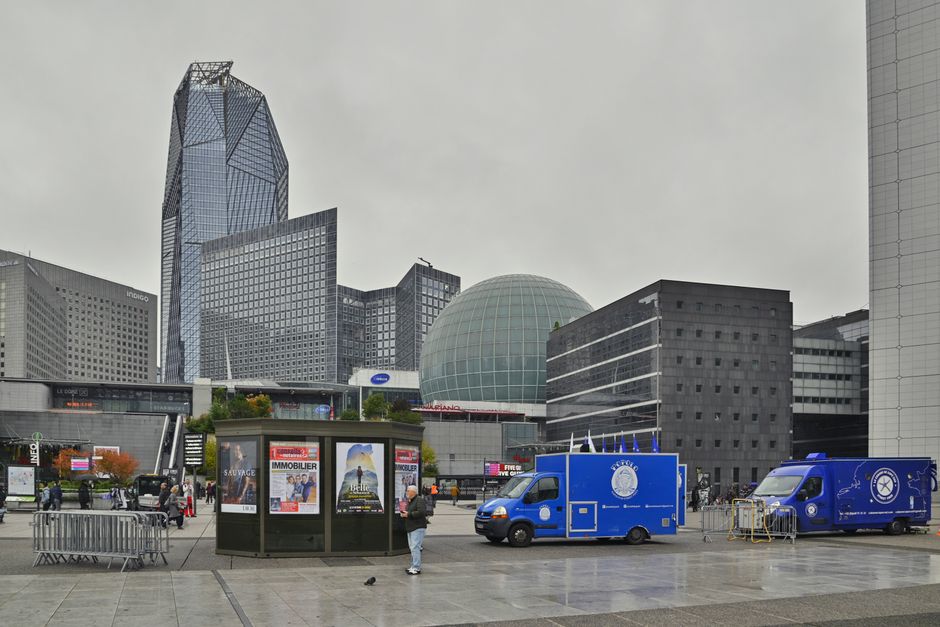
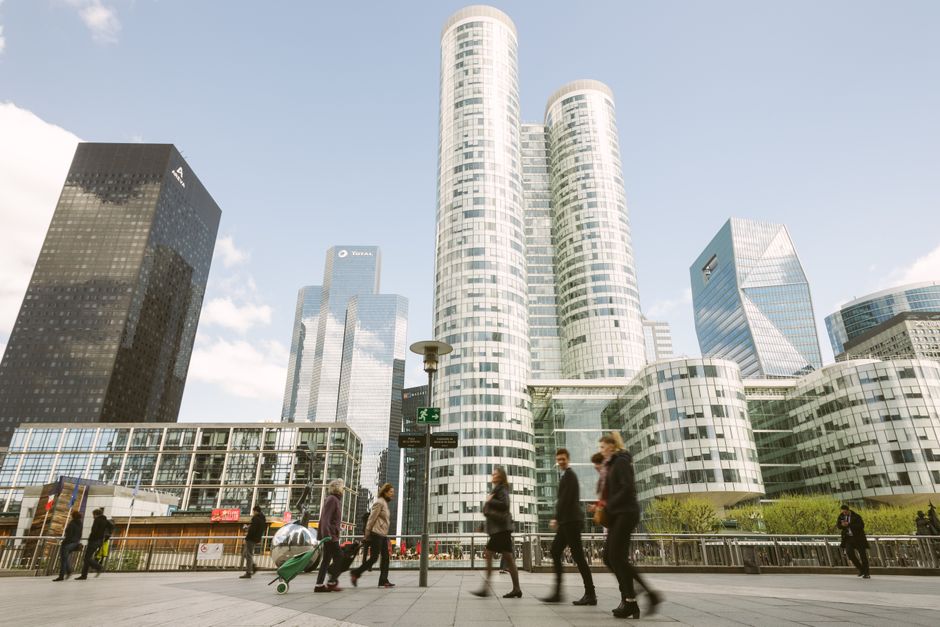
Walk along the Avenue Montaigne or through the gleaming office towers of La Défense, and you'll spot the physical manifestations of capital flows—cranes, renovations, new storefronts. But what's really driving investment into Paris, and how do ordinary business-minded Parisians decode the signals?
The latest economic indicators paint a picture of cautious optimism mixed with underlying pressure on household finances. Eurostat data shows France's inflation has retreated to 2.1 percent, down from the double-digit peaks of 2022, yet rental prices in central Paris neighbourhoods like the Marais and Saint-Germain-des-Prés remain stubbornly elevated—averaging €28 per square metre monthly for a one-bedroom apartment. This divergence matters. When headline inflation falls but housing costs stay high, it reshapes where investment flows.
Consider how the signal works in practice. The European Central Bank's interest rate decisions—currently holding at 3.75 percent—directly influence how investors evaluate French government bonds versus equities. Lower bond yields push capital toward riskier assets, fuelling demand for French tech startups clustered around Station F near the Seine, or real estate development in emerging quartiers like Belleville and the 13th arrondissement.
Meanwhile, the purchasing managers' index for the Eurozone hovered at 50.9 in May, signalling modest manufacturing expansion. For Paris specifically, this translates into modest confidence among business leaders surveyed by the Banque de France. Investment in retrofitting historic office buildings—particularly critical given European climate regulations—remains steady, though corporate expansion plans have become more conservative since late 2024.
One less visible but equally important indicator: foreign direct investment flows. Official statistics show American and Asian firms continue establishing European headquarters in Paris, attracted partly by tax incentives and partly by the availability of skilled labour. Yet the cost equation has shifted. A skilled engineer in Paris now commands salaries roughly 15 percent higher than two years ago, squeezing profit margins and forcing some companies to recalculate their Paris strategy.
The disconnect between what the macro numbers say and what people experience matters profoundly. Unemployment sits around 7.2 percent nationally, wages are rising modestly, yet household savings rates have declined as families cope with elevated living costs beyond housing—transport, childcare, basic groceries all reflecting stubbornly sticky price increases.
For investors parsing these signals, the message is clear: Paris remains attractive, but increasingly selective. Capital is flowing toward specific sectors and locations where returns justify the higher cost base, rather than treating the entire market as uniformly bullish.
This article was compiled by AI from the sources linked above and screened before publishing. See our editorial standards.