The Parisian job market is undergoing a quiet revolution. While headline unemployment remains stable at around 7.2% across the capital, a parallel economy is emerging in renewable energy and grid modernization—and the winners are increasingly clear.
Walk through the 15th arrondissement's business district near Rue de l'Église and you'll spot recruitment posters from firms like Engie and EDF subsidiary subsidiaries offering entry salaries of €45,000 to €55,000 for fresh engineering graduates. Five years ago, that number hovered closer to €38,000. Senior grid engineers are now commanding €75,000 to €95,000, a jump that reflects genuine scarcity.
The catalyst is straightforward: France's accelerated transition timeline requires an estimated 8,000 additional specialists across the Île-de-France by 2028, according to regional employment bodies. Solar installation and wind maintenance technicians, network engineers, and energy auditors are all in acute shortage. Meanwhile, consulting firms operating from the 8th arrondissement are already expanding headcount to service these companies, creating a secondary hiring wave.
The beneficiaries so far are clustered in specific demographics. Engineers and project managers aged 28-42 with relevant experience have leverage they've never possessed. Several major firms have introduced signing bonuses, relocation packages, and flexible working arrangements—previously uncommon in Paris's corporate culture. Meanwhile, recent graduates from engineering schools like École Polytechnique and CentraleSupélec are placing faster than ever, with job offers arriving months before graduation.
Less visible but equally important: technical vocational training programs in the 19th arrondissement have waiting lists. The two-year CAP (Certificat d'Aptitude Professionnelle) in renewable energy maintenance, offered through several training centres near Belleville, is at capacity through 2027.
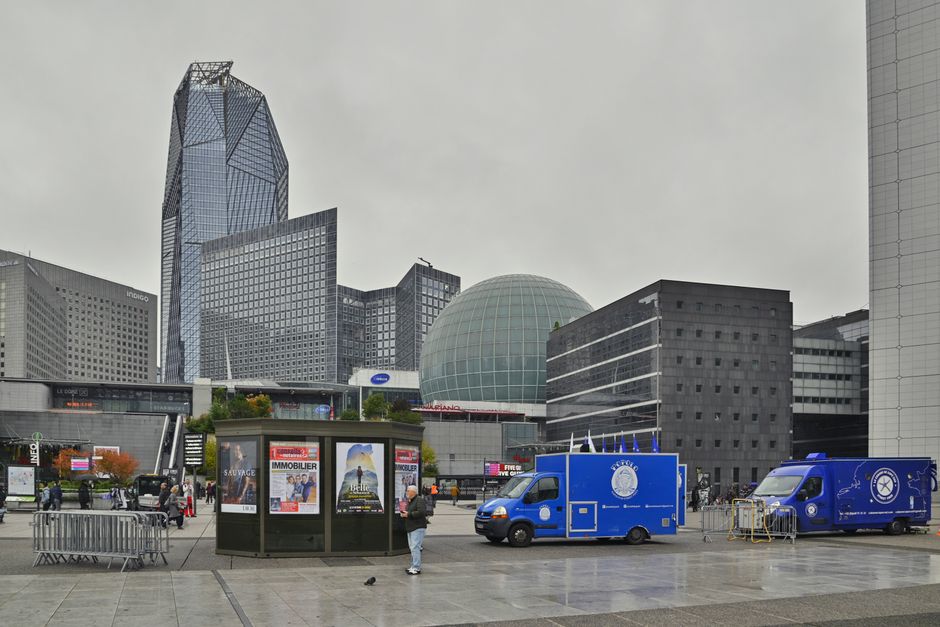
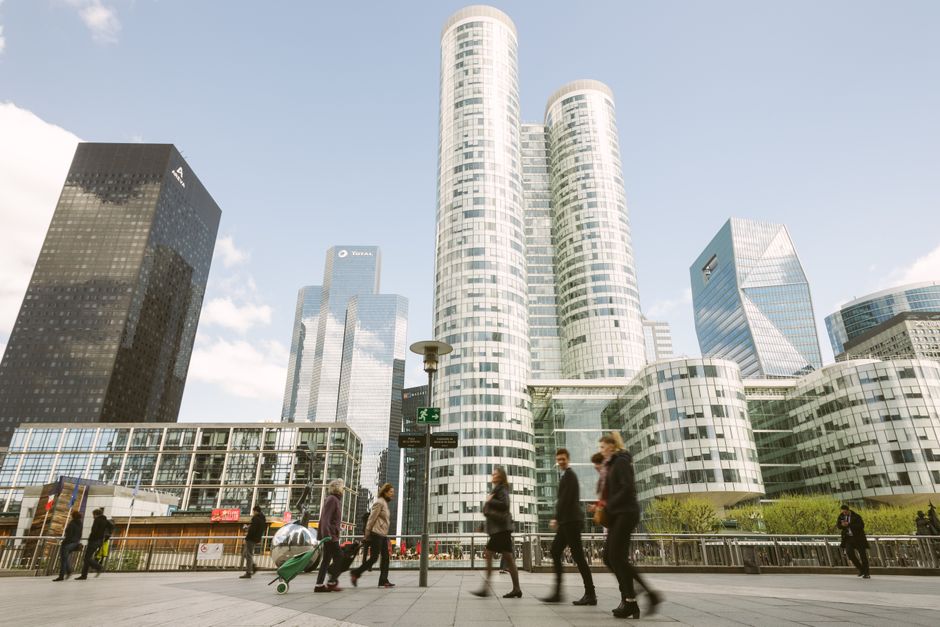
However, the opportunity carries regional unevenness. While high-skilled positions concentrate along the Seine's right bank—particularly near La Défense's corporate quarter—lower-wage installation and maintenance roles increasingly push outward to suburbs like Montreuil and Noisy-le-Grand, creating commute challenges for workers without family connections to transport hubs.
The underlying story reflects a genuine structural shift. Paris's economy is visibly rotating away from finance-dependent services toward infrastructure and technology. For those positioned in the right sector, with the right credentials, the next two years represent an uncommon labour market advantage. The question for jobseekers is whether they can move quickly enough to seize it before the window normalizes.
This article was compiled by AI from the sources linked above and screened before publishing. See our editorial standards.