The tensions gripping the Middle East, combined with ongoing political volatility in emerging markets and fresh trade uncertainties under the new U.S. administration, are forcing a quiet reckoning in Paris's commercial property sector. For a city that prides itself on stability, the implications are surprisingly significant.
Consider the Marais district, long a magnet for international tech firms and consulting giants. Over the past eighteen months, several American investment banks have consolidated their Paris operations, reducing office footprints by up to 15 percent. The uncertainty around potential tariffs and currency fluctuations has made them reconsider their European hub strategy. Meanwhile, spaces around Boulevard Saint-Germain—traditionally premium addresses for luxury goods companies—are seeing slower leasing velocity as Chinese conglomerates, historically major tenants, adopt a wait-and-see posture on European expansion.
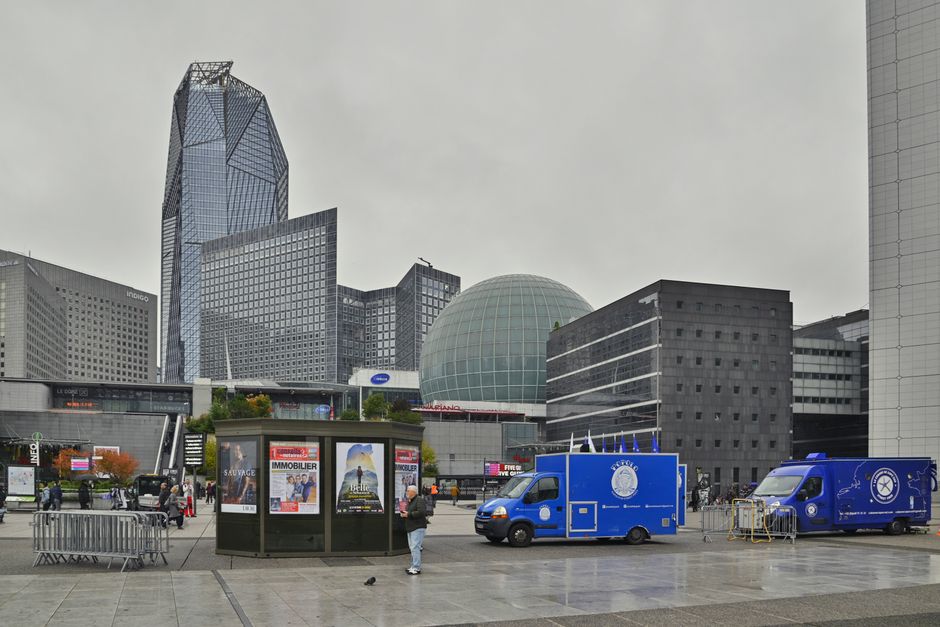
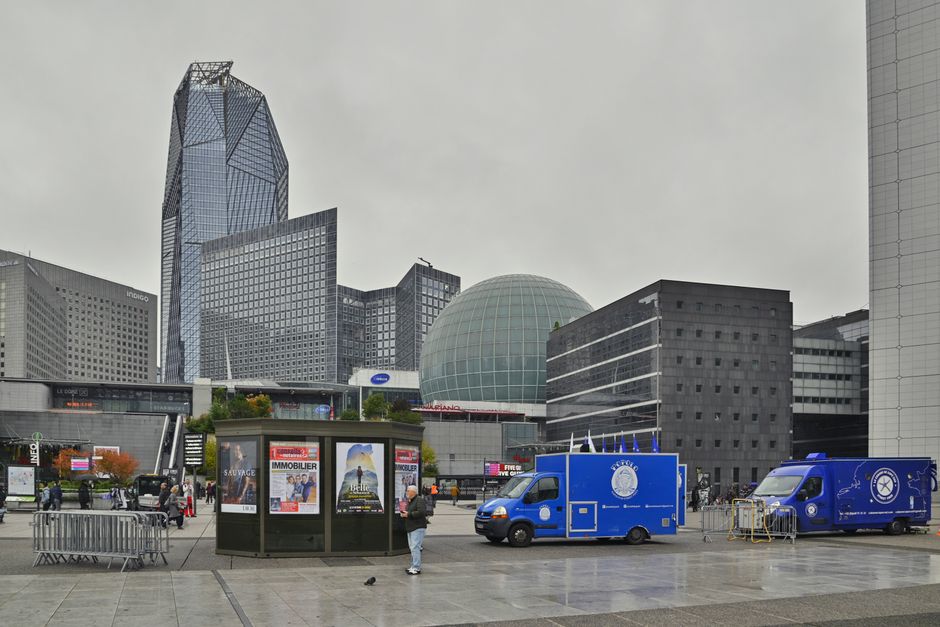
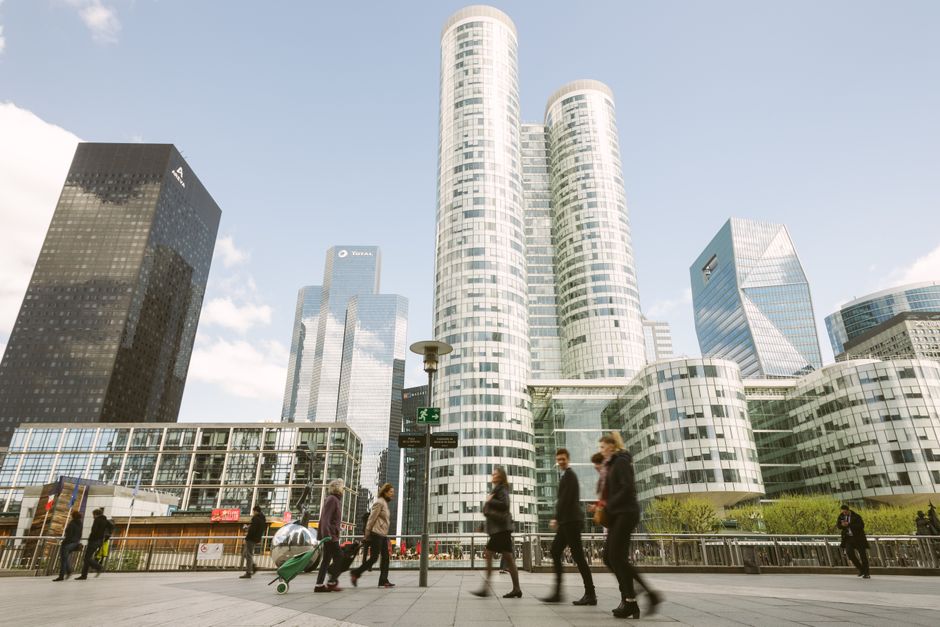
Data from commercial property advisors shows that prime office rents in La Défense remain stable at around €650 per square metre annually, but availability periods have stretched from three weeks to seven weeks on average. The shift reflects genuine hesitation rather than weakness. Firms aren't abandoning Paris; they're simply pausing before committing to long-term leases in an unstable environment.
The secondary markets tell a different story. Neighborhoods like Belleville and the Canal Saint-Martin, increasingly popular with smaller European tech firms and startups, are seeing steady interest. These zones offer flexibility—shorter lease terms, shared spaces, and lower per-square-metre costs around €400—that appeal to companies hedging against uncertainty. Co-working operators report robust bookings despite broader headwinds.
French institutional investors are responding pragmatically. Rather than chasing maximum yields, they're emphasizing tenant quality and diversification. A portfolio weighted toward domestic French firms, combined with Northern European companies seen as lower-risk, outperforms those overexposed to transatlantic volatility.
For Paris's business community, the lesson is clear: global instability rewards flexibility over assumption. Companies renewing leases are negotiating harder for break clauses and shorter initial terms. Landlords comfortable with slightly lower headline rents—trading premium pricing for tenant stability—are winning deals. Property owners investing in upgraded sustainability credentials and modern infrastructure are insulating themselves from sector-wide slowdowns.
The Paris commercial market isn't contracting. Rather, it's recalibrating toward resilience. That distinction matters enormously for the businesses betting on the city's continued status as Europe's premier business centre.
This article was compiled by AI from the sources linked above and screened before publishing. See our editorial standards.