Paris Startups Brace as Global Instability Reshapes Venture Capital Flow
Geopolitical tensions and economic uncertainty are forcing innovation district leaders to rethink funding strategies and talent retention in the French capital.
Geopolitical tensions and economic uncertainty are forcing innovation district leaders to rethink funding strategies and talent retention in the French capital.
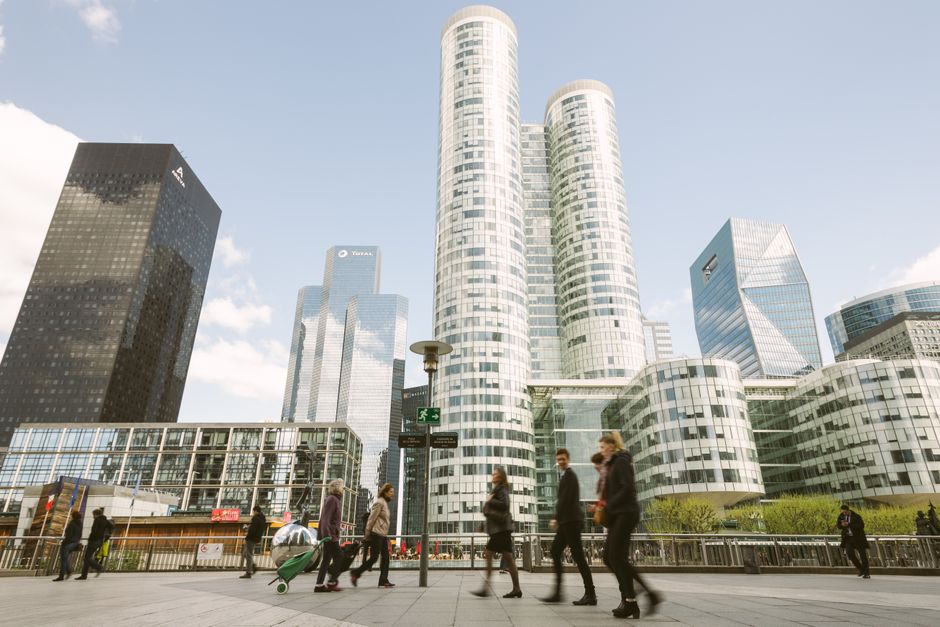
The bustling corridors of Station F, Europe's largest startup campus in the 13th arrondissement, are humming with a mixture of optimism and apprehension. While the 3,000-seat complex continues to attract founders from across the continent, conversations in its common areas increasingly reflect a sobering reality: the global chaos is reshaping how capital flows into Paris's innovation ecosystem.
The past six months have tested startup resilience in ways few anticipated. Geopolitical tensions in the Middle East, currency instability following recent political upheaval in major economies, and ongoing supply chain disruptions are forcing venture capital firms to recalibrate their investment theses. For Paris-based founders, this translates into longer funding cycles and more conservative ticket sizes.
"We're seeing institutional investors becoming more risk-averse," explains an emerging pattern across the Left Bank's venture community. Early-stage rounds that might have closed in eight weeks now stretch to four months. Mid-market funding—the €5 to €15 million range that historically powered French deeptech and biotech scaling—has contracted by an estimated 18 per cent year-on-year according to preliminary European venture data.
The ripple effects are particularly acute for Paris's growing deeptech corridor around Boulevard Saint-Germain and the Science Po district. Companies developing critical infrastructure, energy solutions, and defence applications face newfound scrutiny over geopolitical exposure. Several promising French semiconductor and cybersecurity firms have experienced delayed Series A closings as US and European limited partners reassess international risk.
Yet Paris's position as a neutral hub—neither Silicon Valley nor Beijing—offers unexpected advantages. The city's startup ecosystem, which generated €6.2 billion in venture funding in 2025, is attracting founders from volatile regions seeking stable operational bases. Visa applications for non-EU founders have reportedly increased 23 per cent in the first half of 2026, with many citing Paris's combination of talent density and geopolitical stability.
The challenge now lies in talent retention. International researchers and engineers who came to Paris for opportunity are facing visa complications in their home countries, complicating recruitment efforts. CoWorking spaces in the Marais and République neighbourhoods report higher churn among international membership holders seeking legal certainty.
Paris's innovation authorities are responding. Recent municipal initiatives have streamlined entrepreneur visas and expanded subsidised lab space in emerging clusters like Belleville. The message is clear: while global headwinds are real, Paris intends to consolidate its position as Europe's most resilient startup destination—precisely because its entrepreneurs understand that uncertainty, properly navigated, creates opportunity.
This article was compiled by AI from the sources linked above and screened before publishing. See our editorial standards.
How does this story make you feel?
Spread the word
About this article
Published by The Daily Paris
Daily brief
Free, in your inbox before 7am. Weekdays.
More in Business