Why Paris's Tech Boom Actually Matters to Your Daily Life
From your morning coffee to your apartment search, the startup revolution reshaping the 11th arrondissement is already changing how Parisians live—and what they pay.
From your morning coffee to your apartment search, the startup revolution reshaping the 11th arrondissement is already changing how Parisians live—and what they pay.
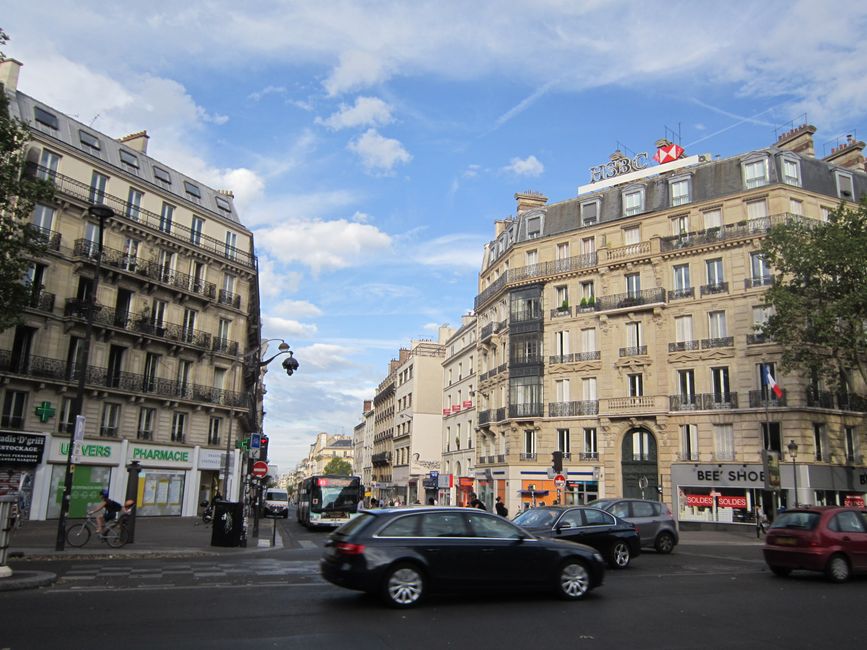
You've probably noticed the cranes around Rue de Turenne and Boulevard Voltaire. You've definitely seen the sleek glass buildings replacing old warehouses near République métro. But what does Paris's accelerating startup ecosystem actually mean for residents trying to navigate this city?
The numbers tell an important story. Over €3.8 billion flowed into French tech startups last year, with a disproportionate share landing in what locals now call the "Marais-République corridor." This concentration of venture capital isn't just abstract finance—it's reshaping everything from neighbourhood character to your grocery prices.
Consider mobility. Apps like those emerging from tech incubators in the 3rd arrondissement are fundamentally changing how Parisians move around. Last-mile delivery services, carpooling platforms, and micro-mobility startups have become so embedded that RATP itself has had to innovate faster to remain relevant. For residents, this means more options but also more confusion about which service actually saves money on your morning commute to La Défense.
Housing costs offer a more concerning angle. The innovation district's expansion has accelerated gentrification predictably. Neighbourhoods like Oberkampf and Belleville, once affordable creative hubs, now attract investment from tech-adjacent real estate funds. A studio apartment that rented for €800 five years ago now commands €1,200 or more. Young families and long-term residents are being displaced, even as tech workers flood in with higher salaries.
Food and retail are evolving too. Ghost kitchens operating from industrial spaces in the 11th, powered by delivery logistics startups, are changing what restaurants look like. You don't need a storefront anymore—just an algorithm and a contract kitchen. That's convenient for ordering dinner, but it's hollowed out neighbourhood restaurant culture that once defined Paris.
Then there's the less visible infrastructure shift. Startups developing AI-powered city management tools, smart energy systems, and data analytics are selling to the Paris municipality itself. These tools promise efficiency but raise questions about surveillance and who controls urban data.
The startup ecosystem isn't going anywhere—Paris is now France's undisputed tech capital, competing with Berlin and Amsterdam for European dominance. But everyday residents need to understand this isn't just economic news happening somewhere else. It's determining who can afford to live here, how your neighbourhood looks, what services appear on your phone, and which traditional institutions survive.
The real question isn't whether Paris's startup boom is good or bad. It's whether the city's planners and communities can shape this transformation deliberately, rather than simply absorbing its consequences.
This article was compiled by AI from the sources linked above and screened before publishing. See our editorial standards.
How does this story make you feel?
Spread the word
About this article
Published by The Daily Paris
Daily brief
Free, in your inbox before 7am. Weekdays.
More in Business