Global Instability Reshapes Paris Office Market as Multinationals Recalibrate European Footprint
Rising geopolitical tensions and economic uncertainty are forcing international firms to rethink their real estate strategies in the French capital.
Rising geopolitical tensions and economic uncertainty are forcing international firms to rethink their real estate strategies in the French capital.
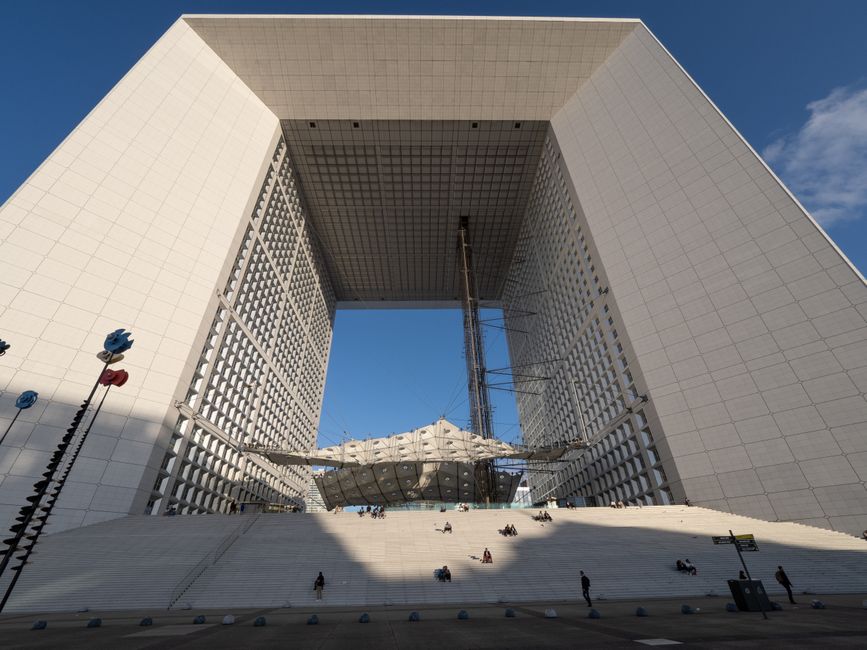
Paris's commercial property market is experiencing a significant recalibration as multinational corporations reassess their European operations amid accelerating global volatility. The combination of Middle Eastern tensions, African instability, and American political unpredictability is prompting major tenants to compress their office footprints and consolidate their presence in fewer, strategically positioned locations across the city.
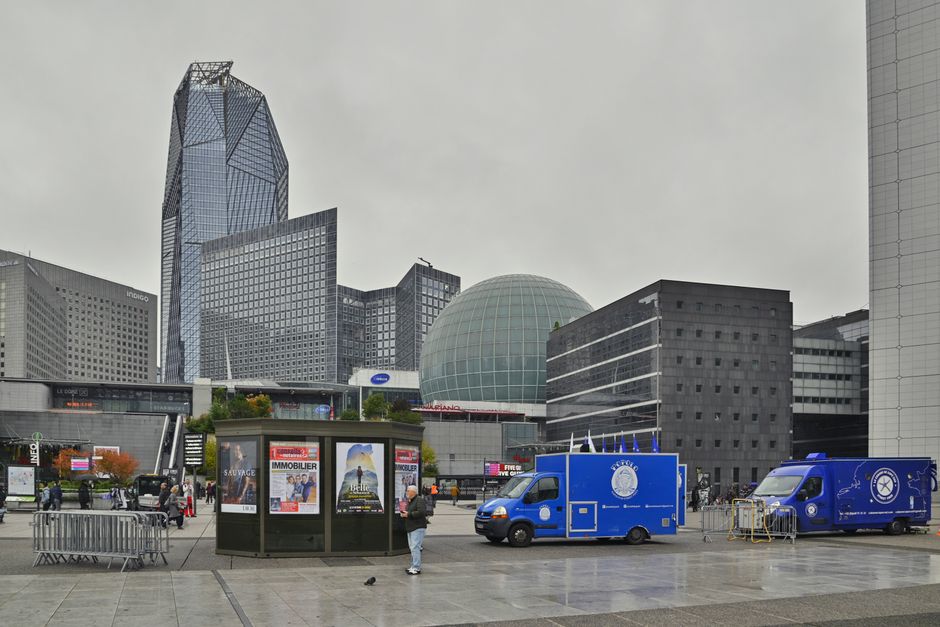
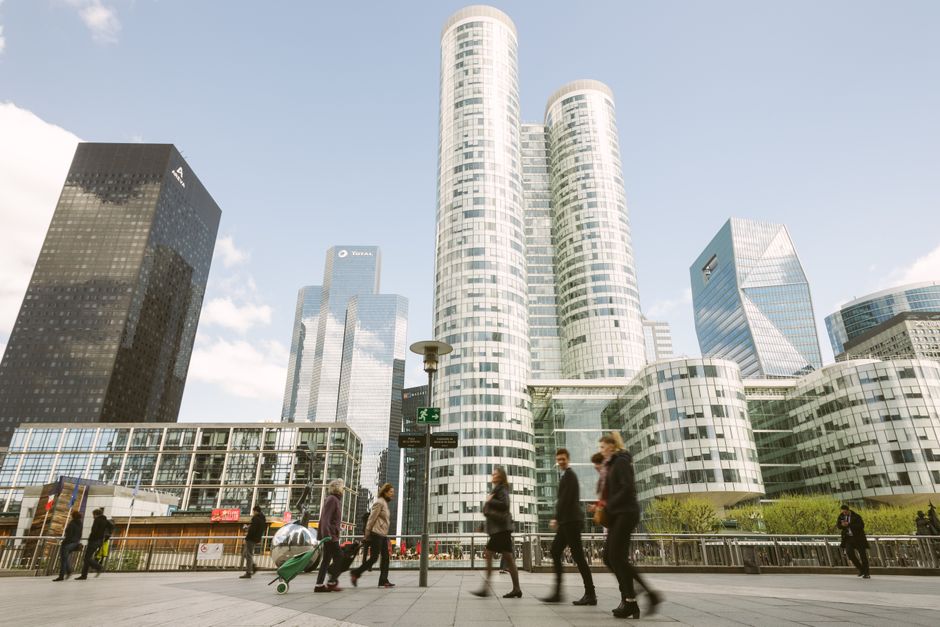
The impact is most visible in the traditionally buoyant La Défense district, where availability rates have ticked upward to 8.2 percent in the second quarter—the highest in three years. Real estate advisors report that energy sector firms, previously anchored in the business district with sprawling headquarters, are now negotiating smaller, more flexible lease terms as supply chain volatility constrains capital expenditure. A prominent Middle Eastern energy consultancy recently reduced its La Défense office allocation by 40 percent, consolidating operations with regional hubs elsewhere in Europe.
Meanwhile, the Marais and République neighbourhoods are experiencing renewed demand from financial services and technology firms seeking alternative prestigious addresses. The shift reflects a broader strategy among international players: maintain a visible Paris presence—essential for EU regulatory access and luxury client relations—but adopt leaner, hybrid-friendly configurations that reduce fixed overhead costs during uncertain periods.
According to commercial real estate firm Savills, asking rents in central Paris remain resilient at approximately €550 per square metre annually, though transaction volumes have declined 15 percent year-over-year. Uncertainty around Middle Eastern investment flows and potential US trade policy shifts under the current administration has dampened the appetite for large, long-term commitments.
The pharmaceutical and aerospace sectors—traditional pillars of Paris's business economy—are taking a more cautious approach. Supply chain disruptions in emerging markets and concerns about regulatory divergence between the EU and US are encouraging firms to prioritise nearshoring operations and maintain leaner corporate headquarters rather than expanding regional footprints.
However, opportunities are emerging for nimble operators. Several boutique consulting firms and fintech companies are capitalising on dislocation among larger tenants, snapping up smaller suites in high-quality buildings around Opéra and the 8th arrondissement at improved rates. The banking sector, traditionally concentrated in the 2nd arrondissement, continues to invest selectively in state-of-the-art office environments that support hybrid working and client entertainment.
Commercial property observers expect this recalibration to continue through 2027 as global conditions stabilise. The Paris office market's resilience ultimately depends on whether multinational confidence in European stability recovers—and soon.
This article was compiled by AI from the sources linked above and screened before publishing. See our editorial standards.
How does this story make you feel?
Spread the word
About this article
Published by The Daily Paris
Daily brief
Free, in your inbox before 7am. Weekdays.
More in Business