How Capital Flows Tell the True Story of Global Trade: A Paris Business Guide
With geopolitical tensions reshaping investment patterns, understanding FDI and currency movements has never mattered more for the French capital's entrepreneurs.
With geopolitical tensions reshaping investment patterns, understanding FDI and currency movements has never mattered more for the French capital's entrepreneurs.

Walk through the Marais district on any weekday morning, and you'll see the physical manifestation of global capital flows: cranes dotting rooftops, new office spaces commanding €800 per square metre in premium locations, and startup hubs buzzing with international investors. Yet beneath this visible activity lies a more complex story told by economic indicators that many Parisian business leaders struggle to interpret amid unprecedented geopolitical volatility.
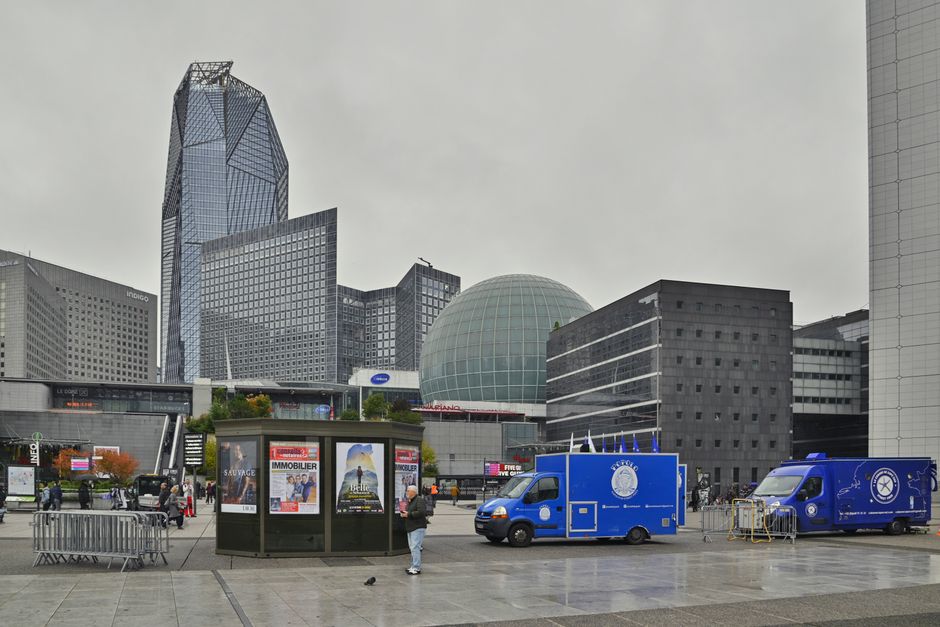
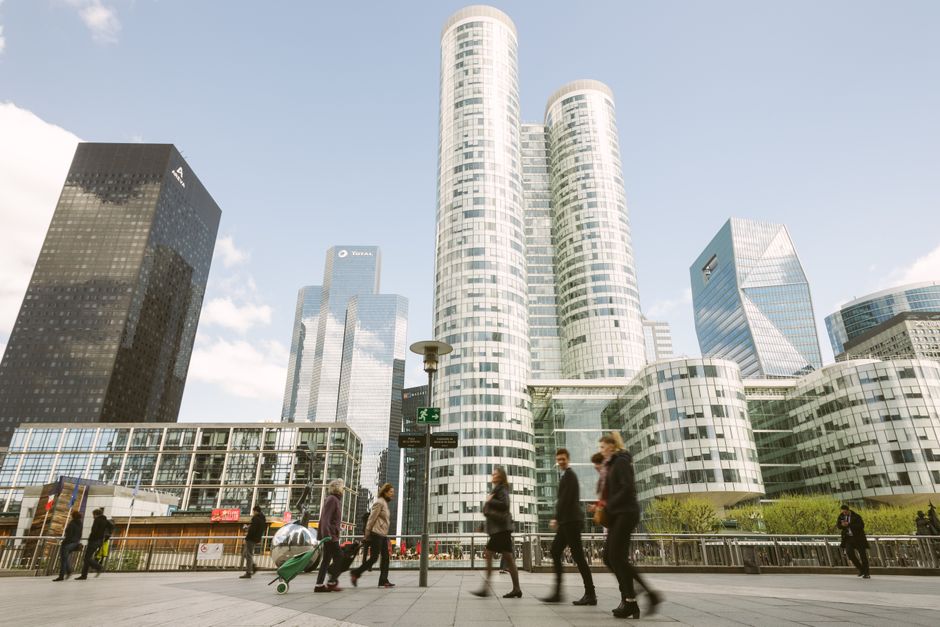
Foreign direct investment (FDI) remains the clearest window into confidence in European markets. France attracted €51.4 billion in FDI last year—down from €61 billion in 2024—signalling investor nervousness about trade friction between superpowers. For businesses clustered around the Champs-Élysées financial district and La Défense's towers, this translates to tighter lending conditions and longer due diligence periods on cross-border acquisitions.
Currency movements matter enormously. The euro's recent volatility—fluctuating between 1.08 and 1.12 against the dollar—directly impacts French exporters selling machinery to the Middle East or German manufacturers importing components through Paris logistics hubs. A weaker euro helps exporters but makes imports costlier, explaining why logistics companies along the Seine have seen freight pricing shift dramatically within months.
Investment flows don't move uniformly. While traditional sectors like luxury goods (concentrated around Place Vendôme) remain resilient, capital increasingly channels toward green energy and AI infrastructure—sectors where Paris hopes to compete with Berlin and Amsterdam. Tech venture capital into French startups hit €12.3 billion in 2025, up 18 percent, even as broader FDI slowed.
The real lesson for Paris's business community: macroeconomic indicators are leading indicators. When capital flows tighten—as tracked by UNCTAD data and ECB reports—entrepreneurs typically experience consequences six to nine months later through credit availability and M&A activity. Current FDI patterns suggest caution should prevail through 2026.
Smart business leaders monitor specific signals: SWIFT banking data showing reduced cross-border transactions, rising credit default swap spreads on French corporate bonds, and shifts in emerging market investment toward safer havens. These technical measures, available through financial databases and business intelligence platforms across Paris, provide early warning systems sharper than headlines.
The broader message resonates from Montmartre to Neuilly: understanding investment flows and economic indicators isn't academic. It's practical strategy that separates resilient companies from vulnerable ones in turbulent times.
This article was compiled by AI from the sources linked above and screened before publishing. See our editorial standards.
How does this story make you feel?
Spread the word
About this article
Published by The Daily Paris
Daily brief
Free, in your inbox before 7am. Weekdays.
More in Business